If you want a Boston neighborhood with real history, waterfront views, and a residential feel that still keeps you close to the city, Charlestown deserves a serious look. You may know it for famous landmarks, but living here is about more than sightseeing. It is a place where brick rowhouses, harbor edges, and local gathering spots shape daily life. Here’s what to know if you’re considering Charlestown as home.
Why Charlestown Stands Out
Charlestown is Boston’s oldest neighborhood, set just north of Downtown along Boston Harbor and the Mystic River. According to Boston.gov’s Charlestown neighborhood overview, it blends a historic identity with the rhythm of a busy modern neighborhood.
That mix is a big part of the appeal. You get well-known landmarks, compact streets, and a strong sense of place, but you also get practical day-to-day amenities, local businesses, and public spaces that support daily life.
Historic Character Meets Daily Living
Charlestown’s identity is closely tied to landmarks like the USS Constitution, the Bunker Hill Monument, and the Charlestown Navy Yard. These are not just attractions for visitors. They help define the look, feel, and story of the neighborhood.
At the same time, Charlestown is not frozen in the past. Boston Planning notes that contemporary shops and restaurants sit alongside historic staples such as Warren Tavern, which it identifies as the oldest tavern in Massachusetts. That contrast gives the neighborhood a lived-in quality that many buyers look for.
Rowhouses Define the Streetscape
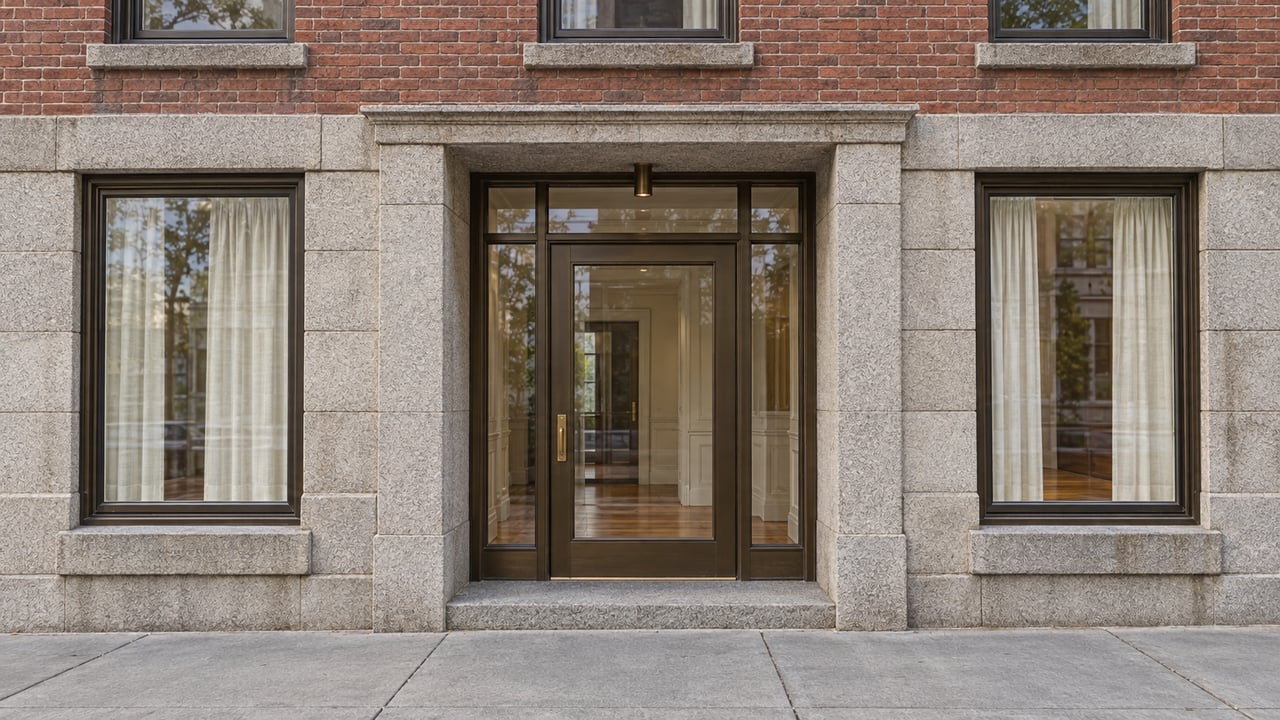
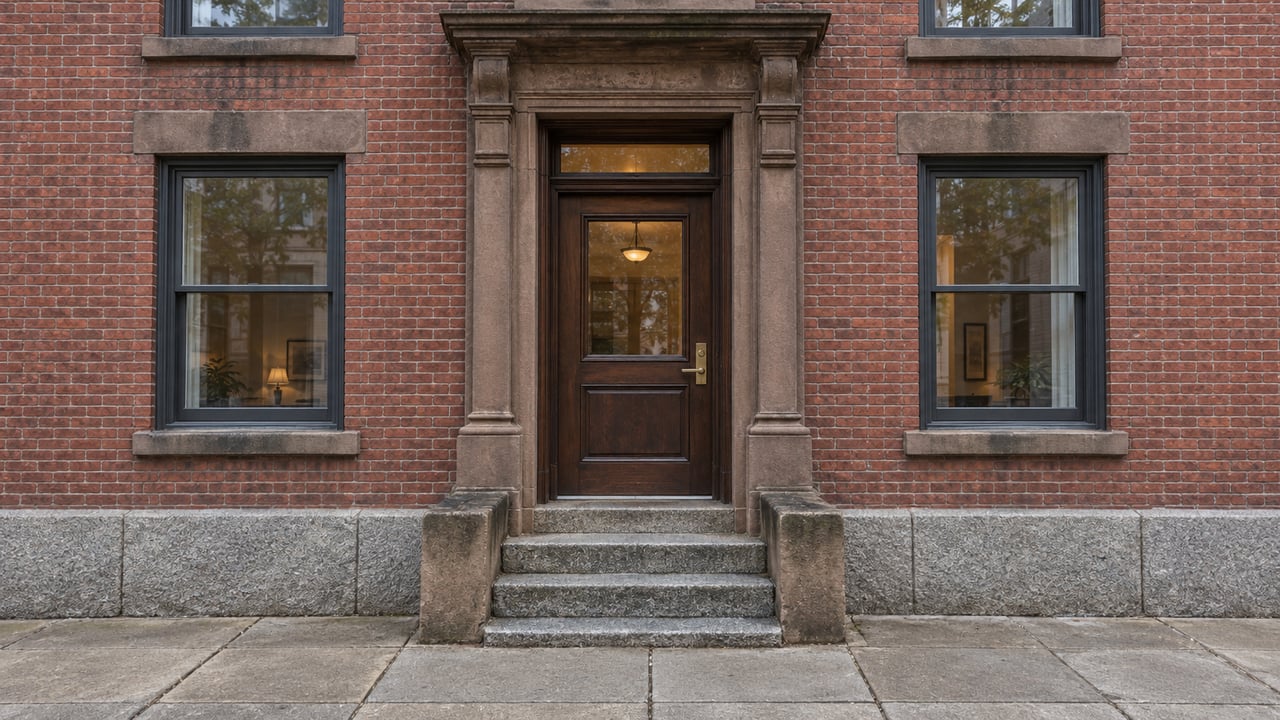
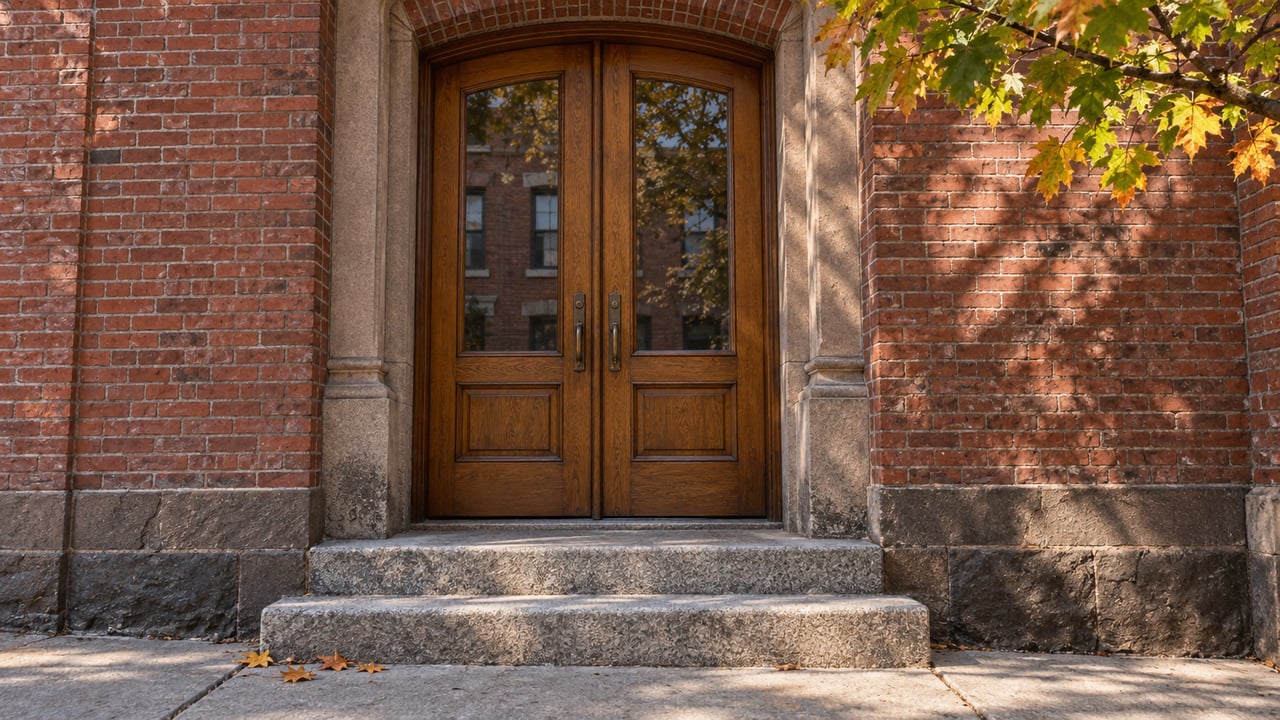
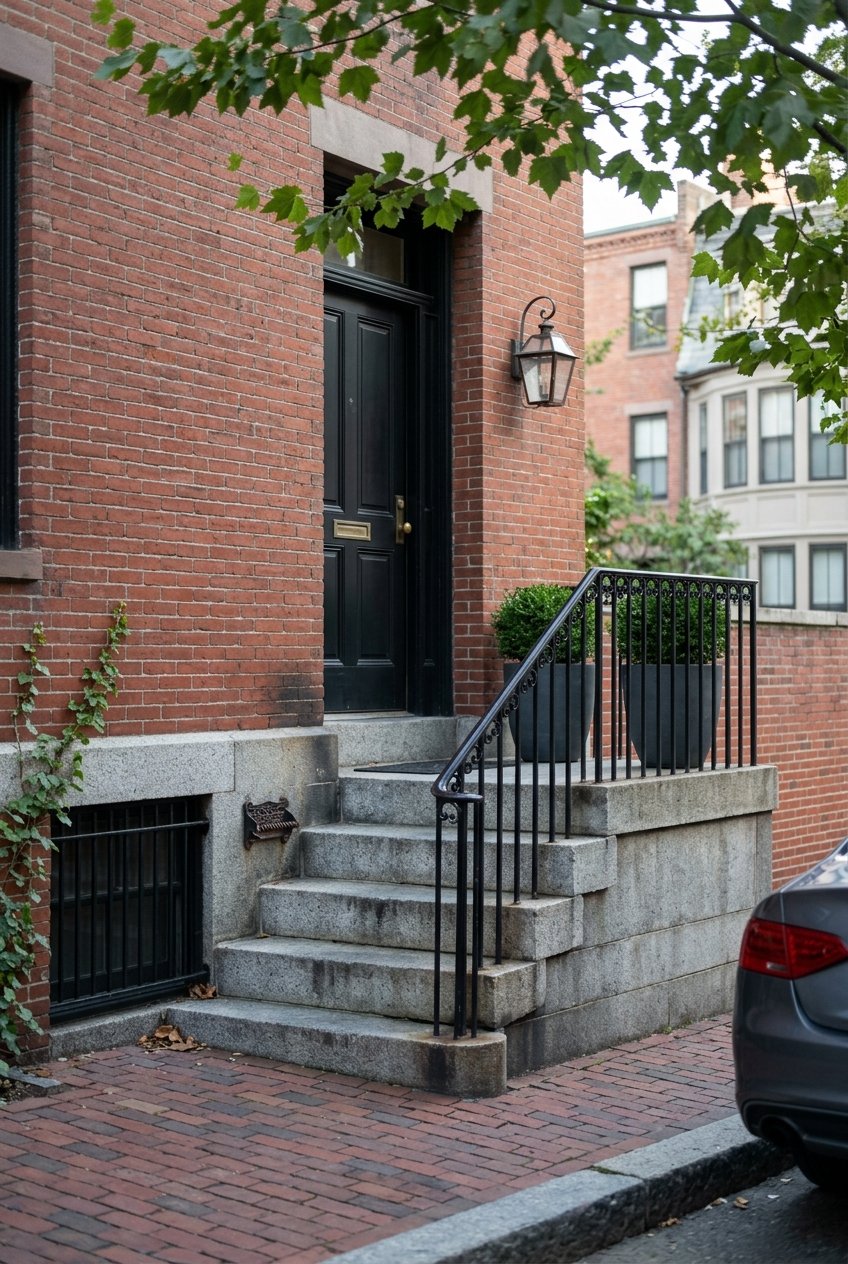
For many buyers, the first thing that stands out is the architecture. Boston Planning describes Charlestown as an attractive residential area still strongly defined by brick and wood rowhouses.
These homes give many streets a classic Boston look, with a lower-rise and more neighborhood-scaled feel than some core downtown areas. If you are drawn to historic housing stock and streets with a strong visual identity, Charlestown offers a built environment that feels both established and distinctive.
Waterfront Homes and Harbor Views
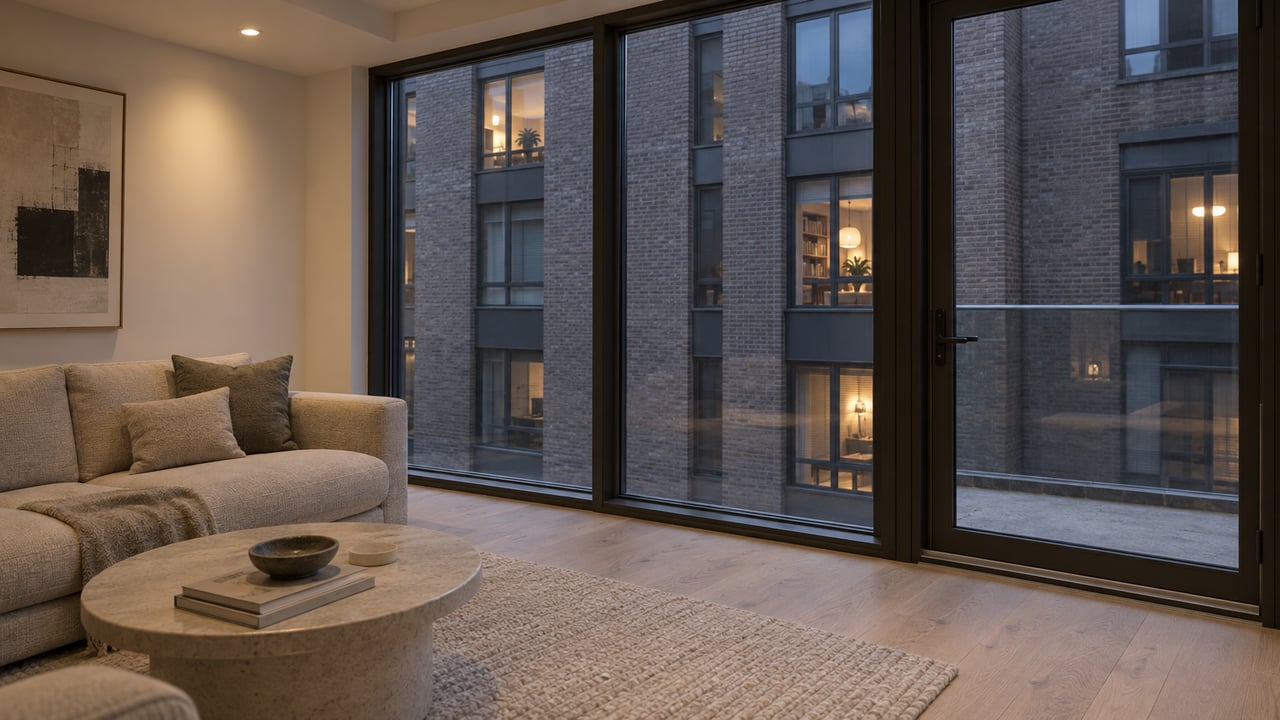
Charlestown is not only about inland historic streets. The Navy Yard adds another side of the neighborhood, where waterfront condominiums and apartments have expanded housing options in recent years.
The waterfront setting is central to Charlestown’s appeal. The National Park Service’s overview of the Charlestown Navy Yard notes that the yard sits at the junction of the Charles and Mystic Rivers, while Boston Planning highlights green spaces and piers with skyline views, along with two marinas. For buyers who want a Boston address with a harbor-oriented lifestyle, this part of Charlestown offers a very different experience from the rowhouse blocks inland.
A Neighborhood That Still Feels Local
One of Charlestown’s strongest selling points is that it still feels like a neighborhood people actively live in, not just a place people pass through. Boston.gov points to Main Street and City Square as gathering places centered around local shops and restaurants.
That matters when you are choosing where to live. A neighborhood can be beautiful, but if it does not support your daily routine, it may not feel like home. Charlestown’s small, community-centered feel is part of what makes it stand apart within Boston.
Parks, Recreation, and Everyday Amenities
Charlestown’s livability also comes through in its public amenities. City project pages highlight ongoing improvements tied to the neighborhood’s active and healthy lifestyle goals, including Harborwalk-related work at Barry Playground, a renovated Clougherty Pool, and the BCYF Charlestown community center with an indoor pool.
These details may sound small compared with the neighborhood’s historic reputation, but they are important if you are evaluating daily quality of life. Access to parks, recreation, and waterfront open space can have a real impact on how a neighborhood feels week to week, not just on first impression.
Charlestown Is Evolving
Charlestown’s appeal also comes from the fact that it continues to change. The city has reported progress toward Charlestown’s first local Landmark District through the Monument Square process, showing how seriously preservation is taken in key parts of the neighborhood.
At the same time, PLAN: Charlestown outlines efforts to preserve the character of existing residential areas while accommodating growth along Rutherford Avenue and in Sullivan Square. For buyers and sellers, that means Charlestown is not static. It is a neighborhood actively balancing historic character with long-term investment.
Who Charlestown Often Appeals To
Charlestown tends to attract people looking for a more residential urban experience. Boston Planning reports that the neighborhood has the city’s highest share of residents under age 10 and a very high labor-force participation rate among adults ages 20 to 34. Boston.gov also notes that immigrants and young professionals have joined the area’s traditionally Irish population.
Those facts suggest broad appeal without defining who belongs there. In practical terms, Charlestown may be especially attractive if you want a historic Boston neighborhood with housing variety, local amenities, and a setting that feels more residential than purely commercial.
How Charlestown Compares With Central Boston
If you are weighing Charlestown against more central neighborhoods, the differences often come down to scale and atmosphere. Boston Planning’s description of Downtown emphasizes its role as Boston’s hub, with corporate headquarters, hotels, retail, apartments, and historic buildings.
Charlestown offers a different experience. It generally reads as more neighborhood-scaled, with rowhouse streets, waterfront edges, and a less intensely commercial feel than Downtown. For some buyers, that balance is exactly the point: you stay close to the city center while living in a place with a more defined residential identity.
What Buyers Should Keep in Mind
If you are considering a move to Charlestown, it helps to think in terms of sub-areas and lifestyle priorities. The housing experience can vary depending on whether you are drawn to traditional rowhouse streets, Monument Square’s historic setting, or the waterfront character of the Navy Yard.
A few useful questions to ask include:
- Do you want historic architecture or a more contemporary waterfront home?
- How important is immediate access to parks, piers, or marina views?
- Do you prefer a quieter residential block or a location closer to neighborhood activity on Main Street and City Square?
- How do you feel about buying in a neighborhood where preservation and development are both active topics?
These are the kinds of details that can shape not only your home search, but also long-term satisfaction with where you land.
Why Charlestown Continues to Draw Interest
Charlestown offers something that can be hard to find in Boston: a neighborhood with genuine historic weight that still works well for modern living. Its rowhouses, waterfront spaces, local commercial areas, and civic investments all contribute to that balance.
If you are buying or selling in a neighborhood where architecture, location, and block-by-block context matter, local guidance can make a meaningful difference. For tailored advice on Charlestown and other prime Boston neighborhoods, connect with The Whaley | Ring Team to request a confidential market consultation.
FAQs
What types of homes are common in Charlestown, Boston?
- Brick and wood rowhouses remain the defining housing type in Charlestown, with waterfront condominiums and apartments also present, especially in the Navy Yard area.
What gives Charlestown, Boston its historic feel?
- Charlestown’s historic character is shaped by major landmarks including the Bunker Hill Monument, the USS Constitution, the Charlestown Navy Yard, and preservation efforts around Monument Square.
Does Charlestown, Boston still feel like a true neighborhood?
- Yes. City sources highlight Main Street, City Square, local shops, restaurants, and a compact community feel that supports everyday neighborhood life.
Is Charlestown, Boston still developing?
- Yes. City planning and preservation efforts show that Charlestown is continuing to evolve, with growth planning in some areas and historic preservation efforts in others.
What makes Charlestown different from Downtown Boston?
- Charlestown generally offers a more residential, lower-rise, neighborhood-scaled feel, while Downtown functions as a denser commercial and civic hub with a more intense urban pace.