Are you drawn to Boston waterfront living but want more character than a typical glass tower can offer? Charlestown stands out because it blends brick townhouse streets, harbor access, and some of the city’s most visible historic landmarks into one compact neighborhood. If you are weighing a move, considering a purchase, or simply trying to understand what makes Charlestown distinct, this guide will walk you through the housing, setting, and day-to-day feel that define it. Let’s dive in.
Why Charlestown Feels Different
Charlestown is Boston’s oldest neighborhood, founded in 1629, and that history still shapes how it feels today. Official city materials describe it as a neighborhood on the north side of Boston along Boston Harbor and the Mystic River, with the Charlestown Navy Yard forming its southern edge.
That geography matters because Charlestown is not just historic in theory. Its waterfront, street pattern, and landmark sites are part of daily life, which gives the neighborhood a strong sense of place that feels different from other parts of Boston.
Charlestown Homes at a Glance
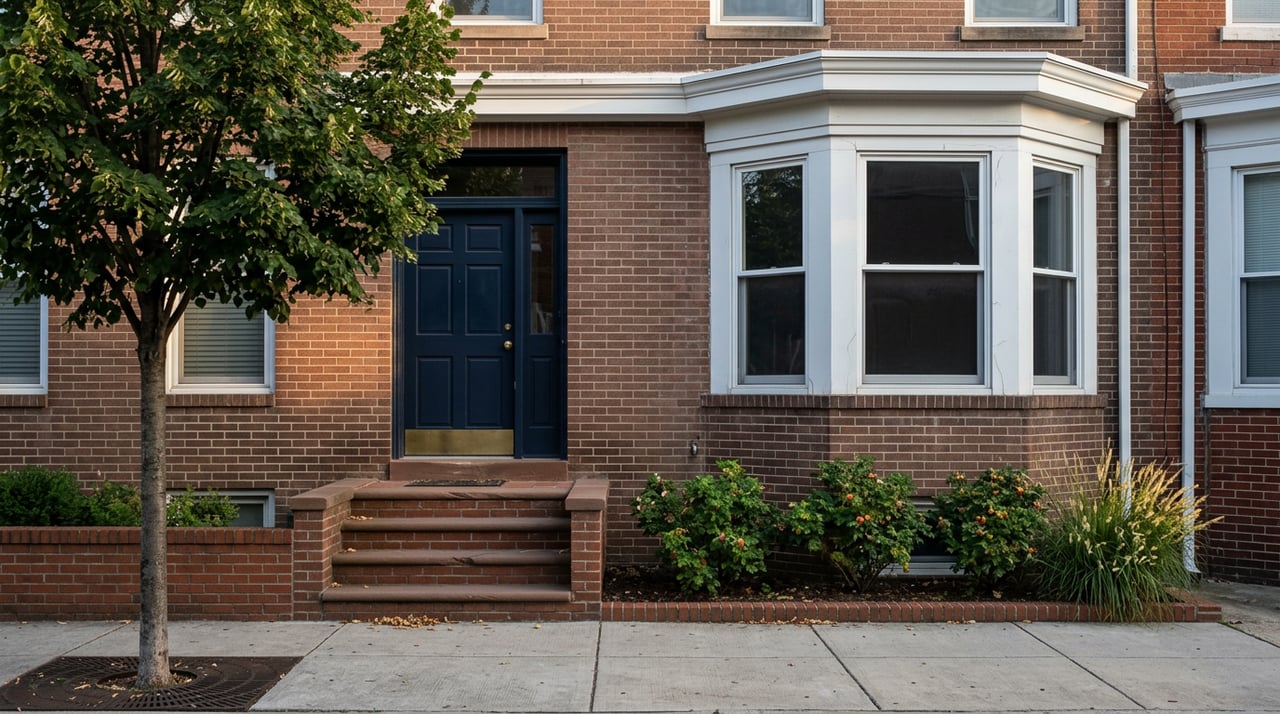
Charlestown is best understood as a layered housing market rather than a one-note neighborhood. Boston Planning describes a mix of brick and wood row houses, public housing, and newer waterfront condominiums and apartments.
For you as a buyer, that means your search can look very different depending on where you focus. Inland streets often reflect the rowhouse identity many people associate with Charlestown, while areas closer to the waterfront can offer newer condo and apartment inventory.
Row Houses and Townhouse Appeal
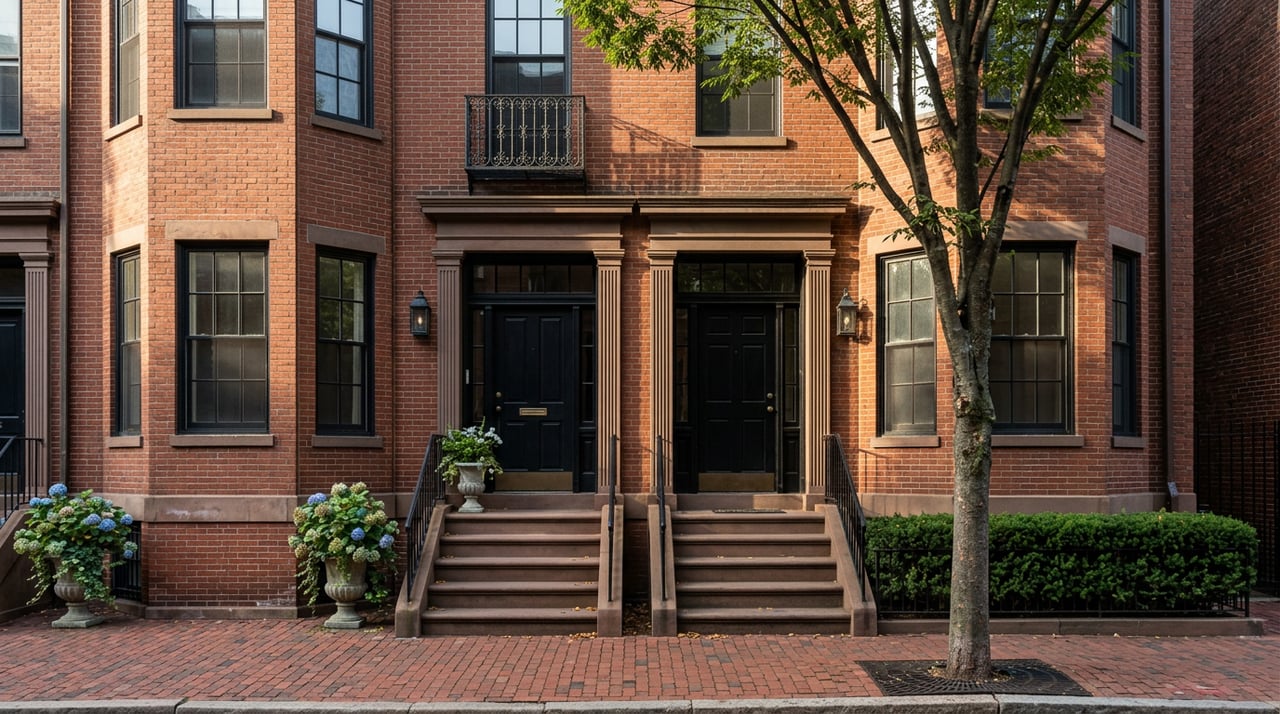
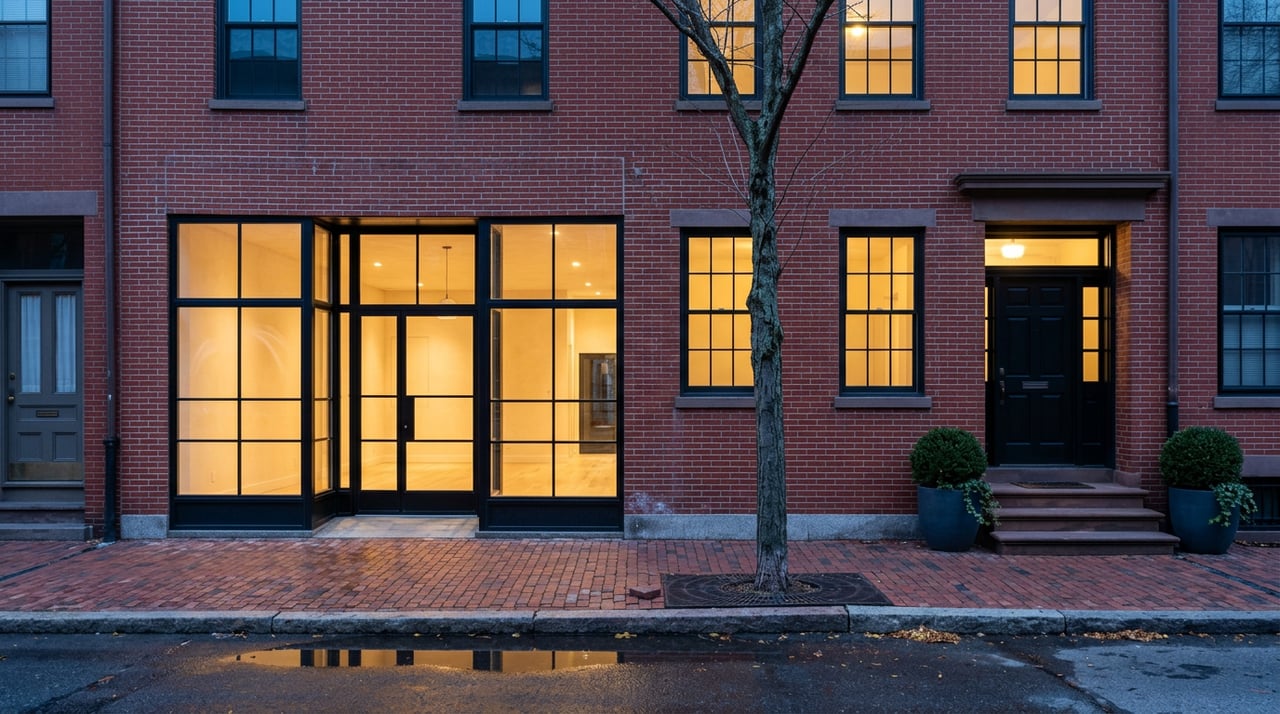
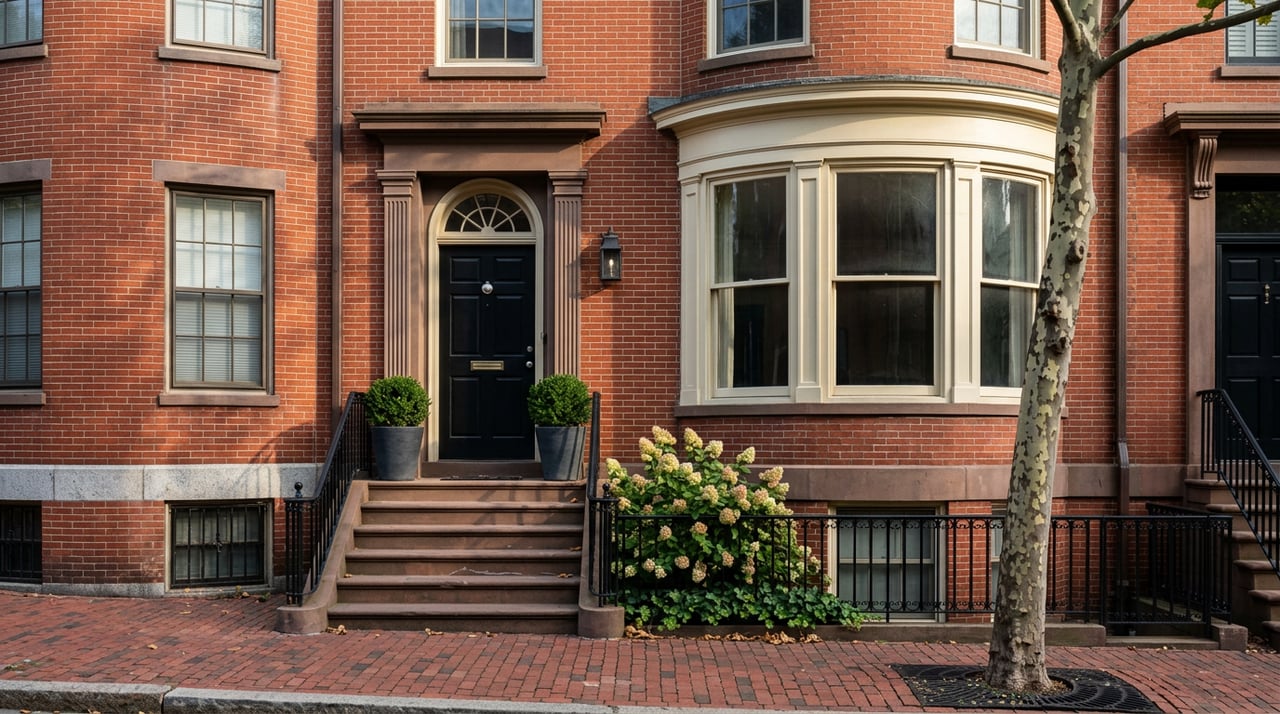
If you picture Charlestown as a neighborhood of classic Boston homes, you are not wrong. The area is especially known for brick and wood row houses, which help create a more intimate, residential feel than some other waterfront neighborhoods.
These homes are part of what gives Charlestown its visual rhythm. The streetscape often feels rooted, architectural, and established, which is a major draw for buyers who want city living with a stronger historic frame.
Waterfront Condos and Newer Options
Charlestown is not frozen in time. Boston Planning also notes newer waterfront condominiums and apartments, adding a more contemporary housing option to the neighborhood mix.
If you want harbor access and a more modern residential setting, the waterfront inventory can offer a different lifestyle than the inland rowhouse blocks. This variety is one reason Charlestown appeals to more than one kind of buyer.
Historic Buildings That Shape the Market
The Charlestown Navy Yard adds another layer that is hard to replicate elsewhere in Boston. The National Park Service identifies the Officers’ Quarters as five 2½-story Federalist-style brick townhouses built in 1833, and it also notes the Commandant’s House as one of the oldest structures in the yard.
Even if you are not shopping for one of those specific homes, preserved buildings like these influence the neighborhood’s overall identity. They help explain why Charlestown often feels more architecturally historic than many other Boston waterfront areas.
How the Harbor Shapes Daily Life
In Charlestown, the waterfront is not just scenery. Boston Planning notes that residents and visitors can enjoy skyline views from the Navy Yard’s green spaces and piers, and the neighborhood also includes Constitution Marina and Shipyard Quarters Marina.
That gives the harbor a practical role in everyday living. Whether you are walking near the water, spending time in open space, or simply enjoying the visual connection to the harbor, the shoreline is part of the neighborhood experience.
Harborwalk Improvements to Know
Charlestown’s waterfront is also evolving. City planning materials describe the Little Mystic Channel Harborwalk Extension as an effort to complete a missing section of the Harborwalk, and work at Barry Playground includes Harborwalk improvements and evaluation of the existing seawall.
For you, that is useful context because it shows the shoreline is actively maintained and improved. In a waterfront neighborhood, long-term planning around access and resilience is part of the bigger picture.
Coastal Resilience Is Part of the Story
Boston has completed coastal resilience plans for its five coastal neighborhoods, including Charlestown. City materials describe strategies such as raised Harborwalks and other waterfront adaptation measures.
That does not change Charlestown’s historic appeal. It does show that the city is planning for how the waterfront will function over time, which matters in any neighborhood closely tied to the harbor.
Getting Around From Charlestown
Charlestown offers scenic appeal, but it is also well connected. The National Park Service says the Charlestown Navy Yard can be reached from North Station on foot or by bus, and by ferry from Long Wharf South, with the ferry ride taking about 10 minutes to Pier 4.
That means the waterfront does not feel cut off from downtown Boston. If convenience matters to you, Charlestown combines a neighborhood feel with practical access to the city core.
A Neighborhood Built Around History
Charlestown’s history is not tucked away in a museum district. It is visible in the streets, public spaces, and waterfront every day.
The Charlestown Navy Yard is the clearest example. The National Park Service says it was one of the nation’s first six navy yards, operated for 174 years, and closed in 1974 before becoming part of Boston National Historical Park.
Today, the yard still anchors the neighborhood’s identity. Visitors and residents can see the USS Constitution, USS Cassin Young, and the USS Constitution Museum there, which keeps the area’s naval story present in everyday life.
Bunker Hill and Civic Open Space
Charlestown also has a strong connection between open space and public landmarks. The Bunker Hill Monument is a 221-foot granite obelisk dedicated in 1843, and its grounds are part of the Freedom Trail and Boston National Historical Park.
That is an important detail because Charlestown’s green space often feels tied to civic history. The neighborhood offers outdoor space, but often in ways shaped by landmark sites rather than only by large recreational parks.
Old Boston Meets Everyday Living
One of Charlestown’s biggest strengths is that it feels lived-in, not staged. Boston Planning highlights a blend of contemporary restaurants and shops alongside Warren Tavern, which the city identifies as the oldest tavern in Massachusetts.
That mix captures the neighborhood well. Charlestown feels highly historic, but it also functions as an active residential area rather than a place that exists only for visitors.
How Charlestown Compares Nearby
If you are also looking at other waterfront Boston neighborhoods, Charlestown has a distinct identity. Compared with South Boston, official city materials suggest Charlestown feels more historic and rowhouse-oriented, while South Boston is more often framed around beaches, working-class roots, and the Fort Point Channel arts area.
Compared with East Boston, Charlestown offers a different housing and waterfront character. East Boston’s city materials highlight restored triple-deckers, skyline views, and beach access, while Charlestown is more defined by brick townhouses, shipyard history, and the Navy Yard waterfront.
Who Charlestown May Suit Best
Charlestown can appeal to you if you want a neighborhood with multiple layers. It offers historic streetscapes, waterfront access, and direct links to Boston’s civic and naval history.
It may be especially worth a closer look if you are deciding between classic townhouse living and a more modern waterfront residence. Few Boston neighborhoods combine those options with this level of architectural and historical identity.
If you are considering buying or selling in Charlestown, local knowledge matters. For tailored guidance on the neighborhood’s housing mix, positioning, and current market opportunities, connect with The Whaley | Ring Team.
FAQs
What types of homes are common in Charlestown, Boston?
- Charlestown includes brick and wood row houses, public housing, newer waterfront condominiums and apartments, and preserved historic residences connected to the Navy Yard.
What is the Charlestown Navy Yard in Boston known for?
- The Charlestown Navy Yard is known as one of the nation’s first six navy yards, a major historic anchor for the neighborhood, and the home of sites such as the USS Constitution, USS Cassin Young, and the USS Constitution Museum.
How do you get to the Charlestown waterfront from downtown Boston?
- The National Park Service says the Navy Yard can be reached by walking from North Station, by bus, or by ferry from Long Wharf South to Pier 4 in about 10 minutes.
Is Charlestown, Boston mainly historic or mainly residential?
- Charlestown is both, with an active residential setting that includes homes, shops, restaurants, marinas, and major historic sites such as the Navy Yard and Bunker Hill Monument.
How is Charlestown different from South Boston and East Boston?
- Official city materials suggest Charlestown is more defined by brick townhouses, rowhouse streets, shipyard history, and Revolutionary-era landmarks than either South Boston or East Boston.