Trying to make sense of Back Bay prices, timelines, and what sells fastest? You are not alone. This is one of Boston’s most historic and high-demand neighborhoods, and small sample sizes can make the numbers feel confusing. In this guide, you will get a clear framework for property types, price bands, inventory cycles, and days on market, with practical steps for buyers and sellers. Let’s dive in.
What makes Back Bay different
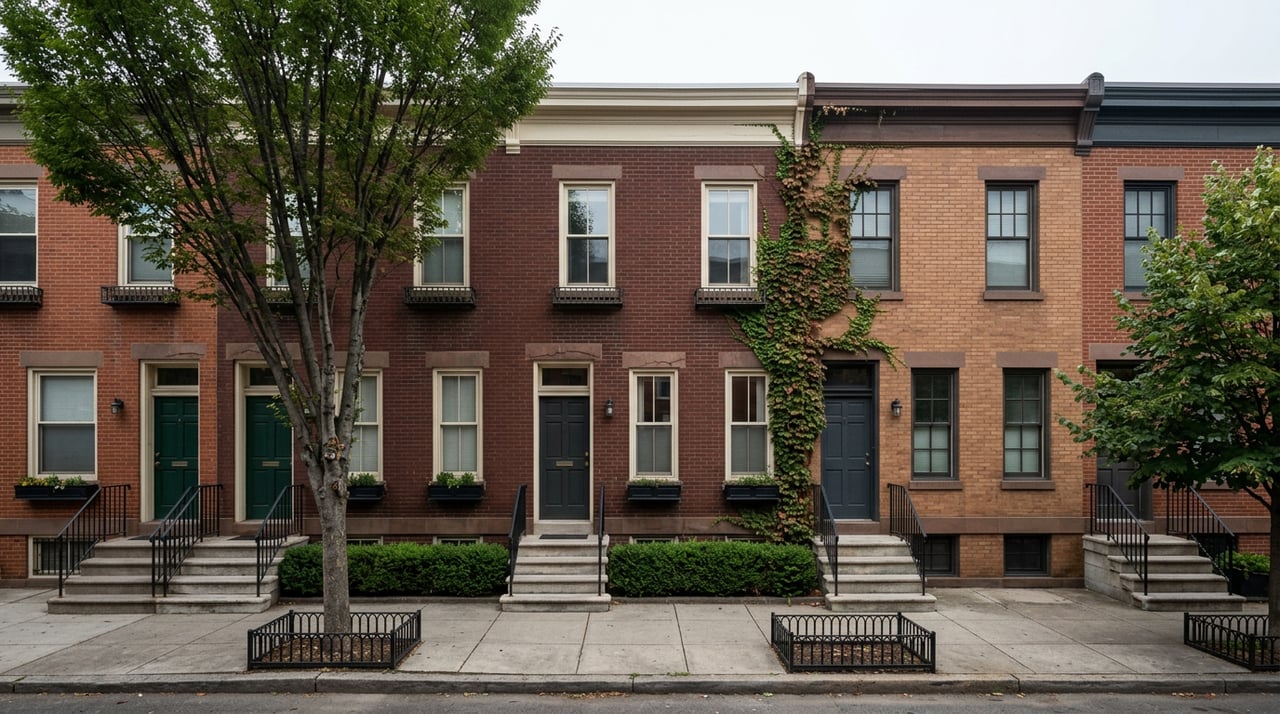
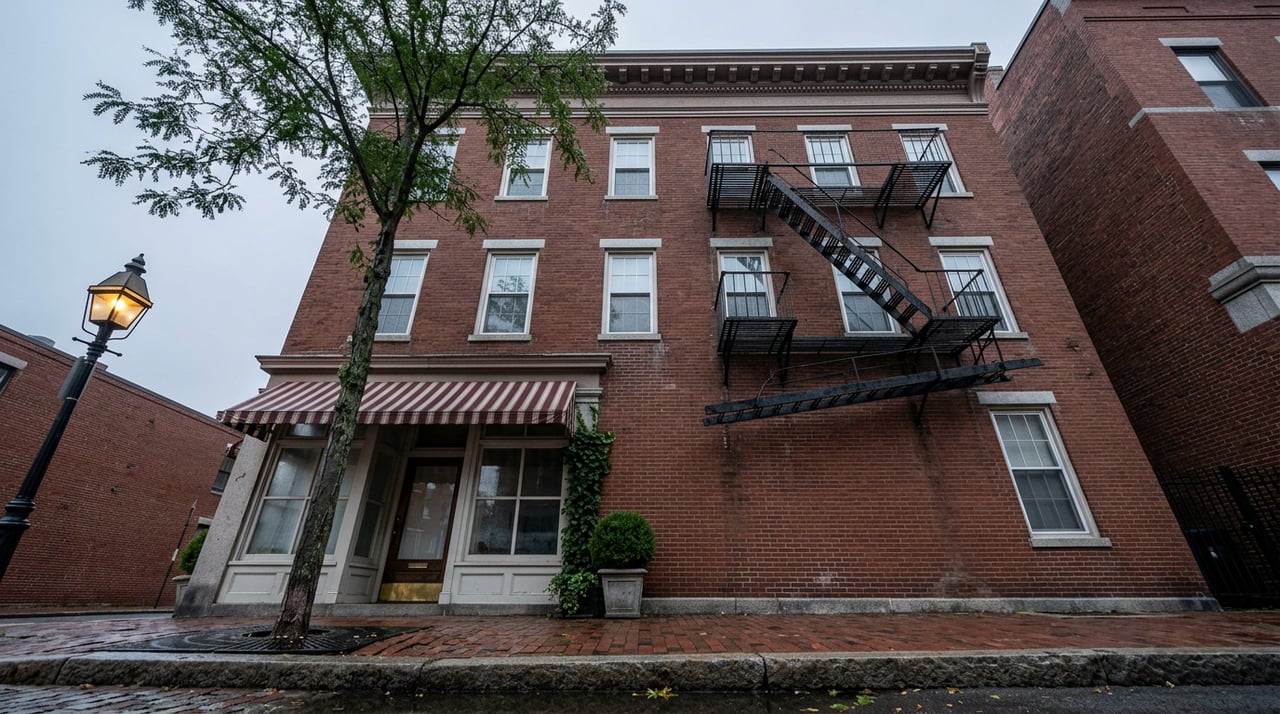
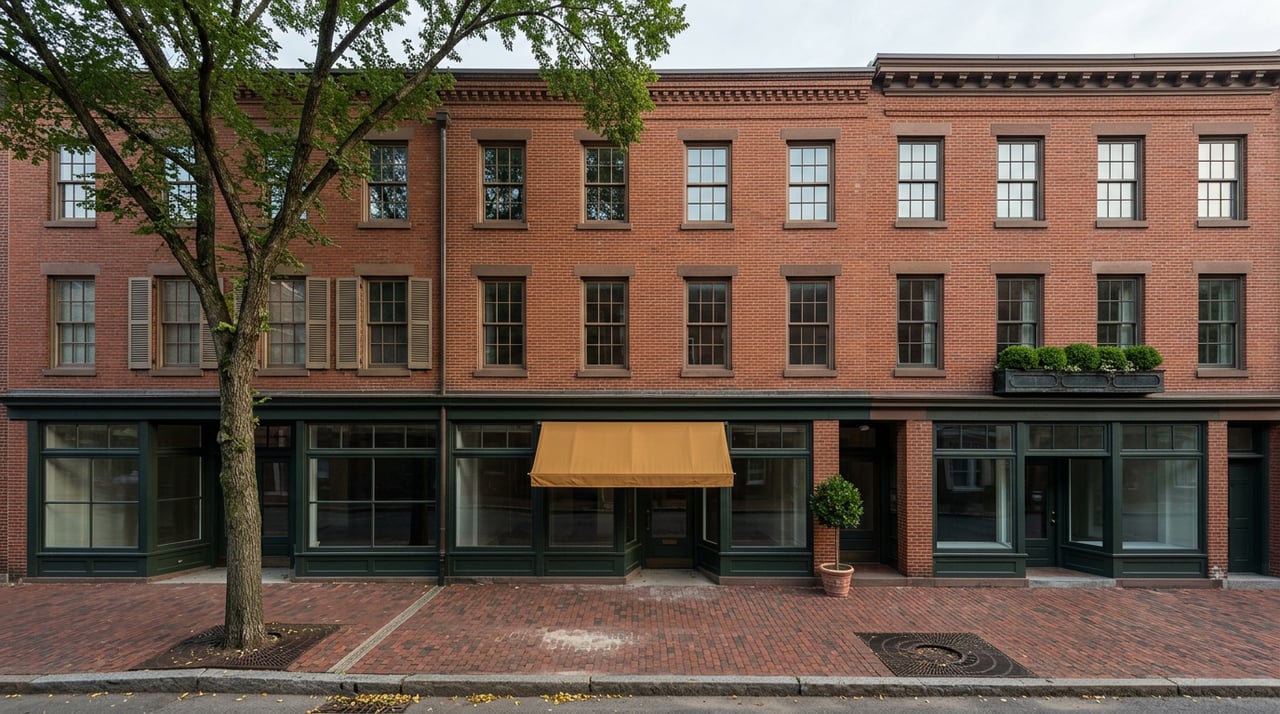
Back Bay stands out for its 19th-century brownstones and rowhouses, alongside boutique prewar buildings and select luxury towers. You will find fee-simple townhouses, condos in historic conversions, and modern full-service residences. Mixed-use blocks with ground-floor retail add to the urban feel and walkability.
Historic and architectural oversight helps preserve the streetscape, but it also affects renovations and timelines. Exterior work and some interior changes that impact the exterior can require design review and permits. Parking is limited and is a key pricing factor, since not all properties include it. Short-term rental use is regulated at the city level and often limited by condo associations, which influences investor calculations.
How Back Bay price bands work
Entry and compact condos
Smaller studios and 1-bed units in older buildings and conversions tend to be the most accessible point of entry. They benefit from a broader buyer pool, including professionals and pied-à-terre seekers. Layout efficiency, natural light, and building condition matter more than raw square footage at this level.
Mid-tier 2–3 bedroom condos
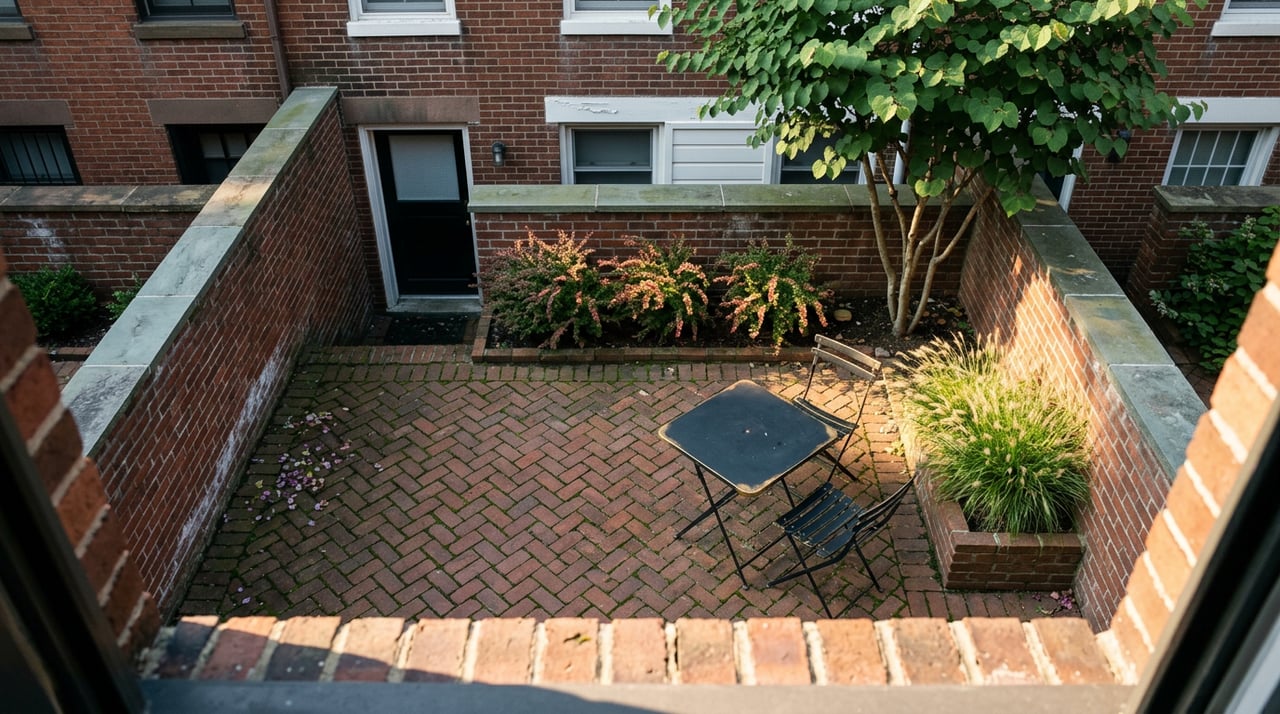
These homes include full-floor flats and modernized units in boutique buildings. They attract professionals and downsizers who want more space without committing to a townhouse. Renovation quality, floor level, and any outdoor space can drive significant price differences.
Luxury condos and penthouses
Newer or fully renovated homes with premium finishes, concierge services, and larger floor plans sit in the luxury band. These properties serve a more selective buyer pool and may show longer marketing windows. Views, building amenities, and privacy features often set value within this segment.
Townhouses and brownstones
Townhouses often command a premium per unit and per square foot due to scarcity and the single-family feel. Many buyers prize the private entry, stoop, and architectural character. Marketing windows can be longer as sellers wait for the right buyer willing to pay for uniqueness and scale.
The real pricing drivers
- Unit type and tenure: fee-simple townhouses typically price differently than condo units.
- Size and layout: usable floor plan often matters more than raw square footage.
- Floor and exposure: higher floors in towers and bright exposures trade at premiums.
- Historic status and renovation level: turn-key condition wins attention and pricing.
- Amenities and services: doorman or concierge buildings command higher fees and values.
- Parking: on-site or deeded parking can be a meaningful price lever.
- Nearby comparables: small differences in block and condition can move prices.
Read the numbers the smart way
In a small, high-value market like Back Bay, single large sales can skew averages. You will get a clearer picture by using medians and price per square foot together. Favor rolling 12-month data or quarterly averages over single-month snapshots to smooth volatility.
Always segment by property type and size. Compare studios to studios, and townhouses to townhouses, rather than rolling everything into one number. Note the sample size when reviewing any stat so you know how representative it is.
Inventory and seasonal patterns
Listing flow by season
Back Bay follows a familiar urban rhythm. New listings and buyer activity rise in late winter and spring, then taper in late fall and winter. That said, desirable properties can transact year-round if they are priced and presented correctly.
What to watch each month
- Active listings: context for how tight supply feels on your block or building type.
- Months of supply: lower levels indicate stronger seller leverage.
- New listings to pendings: shows absorption speed and competition.
- Sale-to-list price ratio: over 100% signals multiple offers, under 100% signals negotiation.
Days on market, explained
Smaller condos
Well-priced studios and 1-bed units often move faster because the buyer pool is larger. Presentation and pricing discipline matter, especially if a unit lacks parking or has layout quirks. Overpricing can push DOM higher even in a strong segment.
Luxury condos and townhouses
High-end condos and fee-simple townhouses can take longer to find the right buyer. These purchases are more discretionary, and buyers weigh more comparables before committing. Longer marketing windows do not always indicate weak demand, just a narrower pool and higher due diligence.
Townhouse vs condo: what changes for you
Ownership and carrying costs
- Townhouse: fee-simple ownership with more control over maintenance, but you budget directly for exterior work that may require historic approvals.
- Condo: you own a unit and share common elements through the association. Monthly fees cover reserves, insurance, and maintenance, and rules shape what you can renovate and when.
Buyer pool and liquidity
- Townhouse: attracts buyers seeking privacy and a house-like experience. Scarcity supports pricing, but the pool is smaller, which can extend timelines.
- Condo: larger buyer base and more turnover. Competitive pricing can support quicker resales, especially outside the ultra-luxury tier.
Financing and warrantability
Some small conversions or unique condo projects can be harder to finance. Confirm warrantability and association health early with your lender. Strong reserves, clean governance, and the absence of special assessments support smoother financing and resale.
Renovation timelines and approvals
- Townhouse: historic or architectural review can lengthen planning and increase costs, especially for exterior elements and rooftop work.
- Condo: association construction rules, access, and building systems can affect scope, hours, and timelines.
Practical next steps
If you are buying
- Clarify your target: studio, 2–3 bed condo, or townhouse experience.
- Speak with a lender early about condo warrantability and loan options.
- Ask your agent for rolling 12-month medians and price per square foot for your segment.
- Review condo budgets, reserves, rules, and any special assessments before you offer.
- Plan for renovations and approvals if you want to customize, especially in historic settings.
If you are selling
- Use segmented comps from the past 12 months to set strategy by unit type and size.
- Complete high-impact pre-list work and staging to reduce time on market.
- Decide whether to target spring for peak activity or list off-cycle to face less competition.
- Allow a longer runway for townhouses or ultra-luxury product to reach the right buyers.
- Pair MLS distribution with targeted outreach and polished presentation to maximize price.
When you want senior, neighborhood-specific counsel on pricing, timing, and presentation, we are here to help. For a quiet, data-minded conversation about your goals, connect with the The Whaley | Ring Team.
FAQs
How is Back Bay’s housing stock different from other Boston areas?
- It features 19th-century brownstones and rowhouses alongside boutique prewar and modern condo buildings, with limited new-build supply and careful historic oversight.
Do townhouses sell faster or slower than condos in Back Bay?
- Townhouses often command premiums and show longer marketing windows, while well-priced condos can sell faster due to a larger buyer pool, especially outside the top luxury tier.
When is the best time to list a home in Back Bay?
- Spring typically brings the most activity, but desirable homes can sell year-round when priced and presented well, so timing should reflect your goals and competing inventory.
How do historic rules affect renovations and value in Back Bay?
- Oversight preserves character and supports long-term values, but it can lengthen timelines and increase costs for exterior work or changes that affect the façade or roofline.
What metrics should I track to understand Back Bay pricing?
- Focus on medians, price per square foot, days on market by segment, months of supply, sale-to-list ratio, and 12-month transaction counts to account for small sample sizes.
How should I approach financing a Back Bay condo purchase?
- Confirm building warrantability with your lender, review association reserves and rules, and check for special assessments or litigation before finalizing your offer.