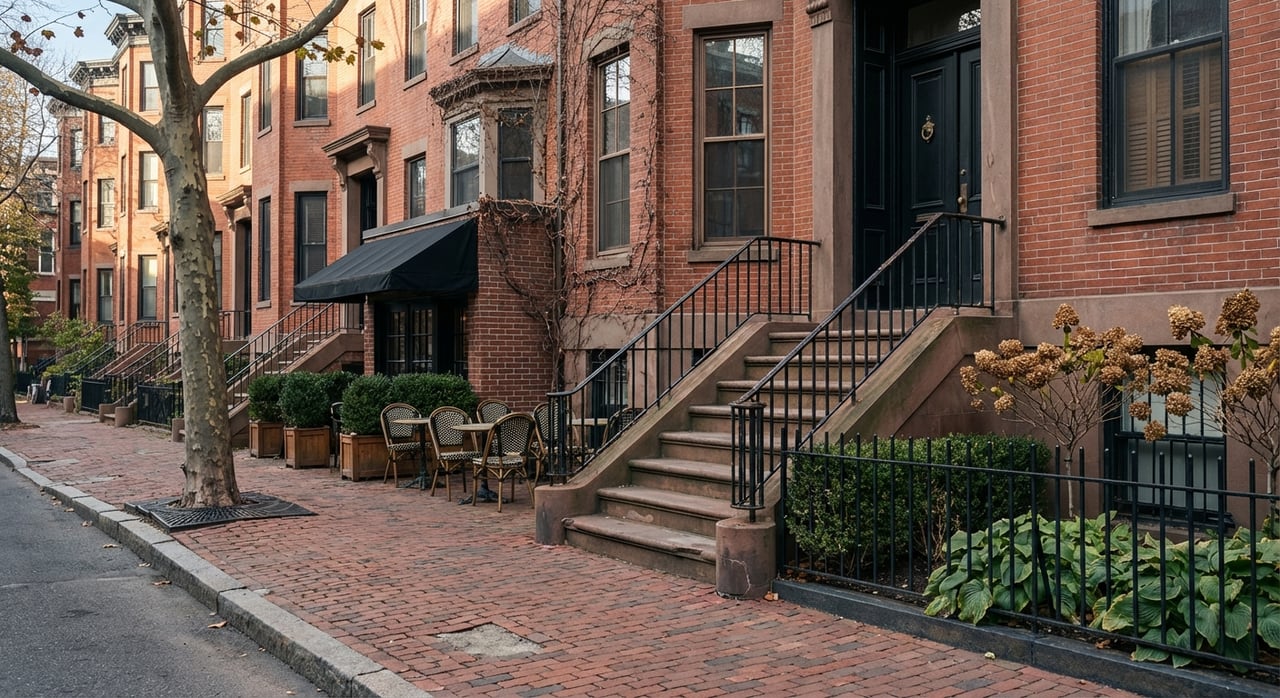
Looking for that classic Boston brownstone lifestyle with a vibrant dining scene and leafy squares right outside your door? If the South End has caught your eye, you are not alone. This guide gives you a clear picture of the neighborhood’s homes, parks, food, arts, and daily logistics, plus what to know before you buy or sell here. Let’s dive in.
South End in a snapshot
The South End pairs 19th-century brick and brownstone streetscapes with a central, walkable location. Long rows of historic townhouses frame small residential squares, giving the area a village feel within the city. You are close to major job centers and transit, with a daily rhythm that blends neighborhood comfort and urban energy.
Historic brownstones and preservation
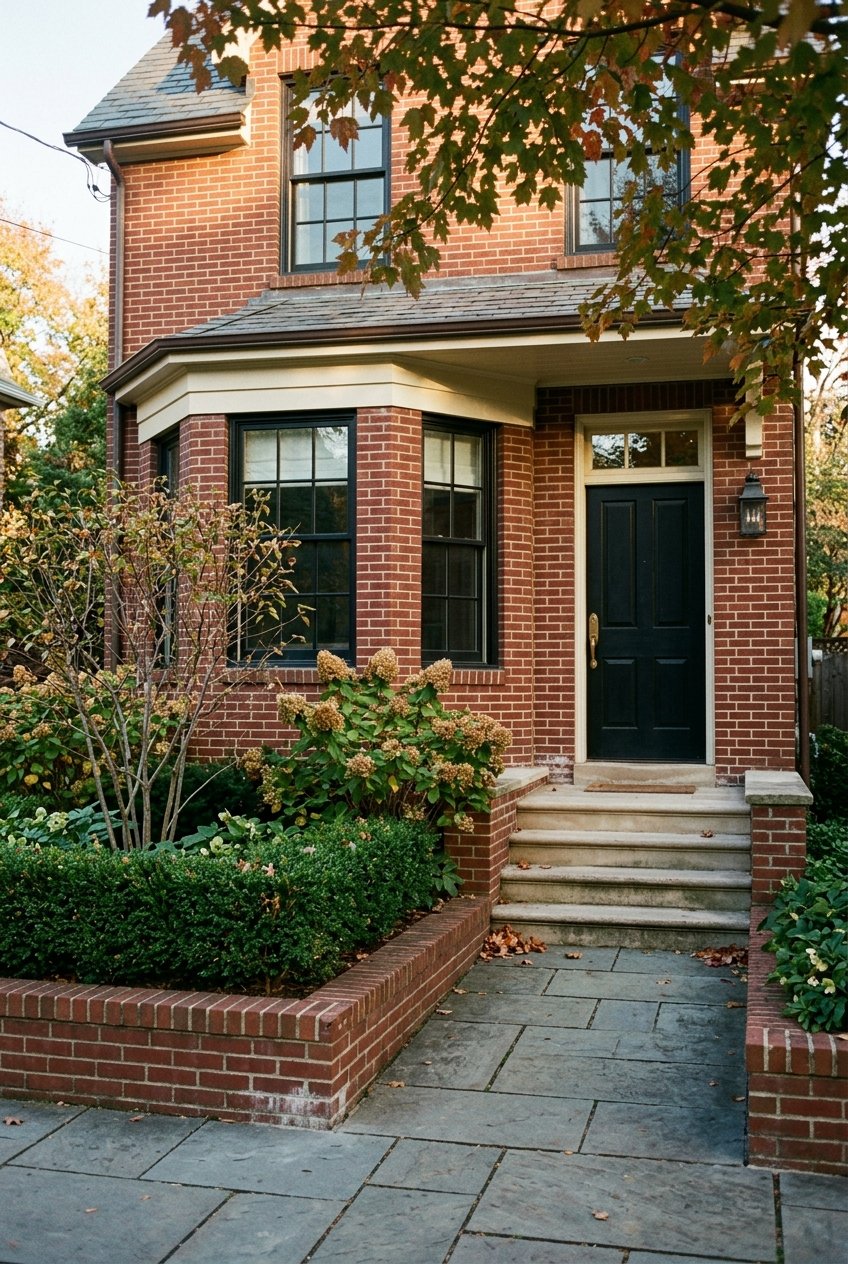
Much of the South End was built between 1850 and 1873 and later designated a local Boston Landmark District. The look you love is protected: exterior changes visible from public ways often require review by the South End Landmark District Commission. If you plan to restore a façade, replace windows, or adjust a stoop, you should factor in design review and timing. You can learn more about the district’s history and design rules on the City’s overview of the South End Landmark District.
Home types you will find
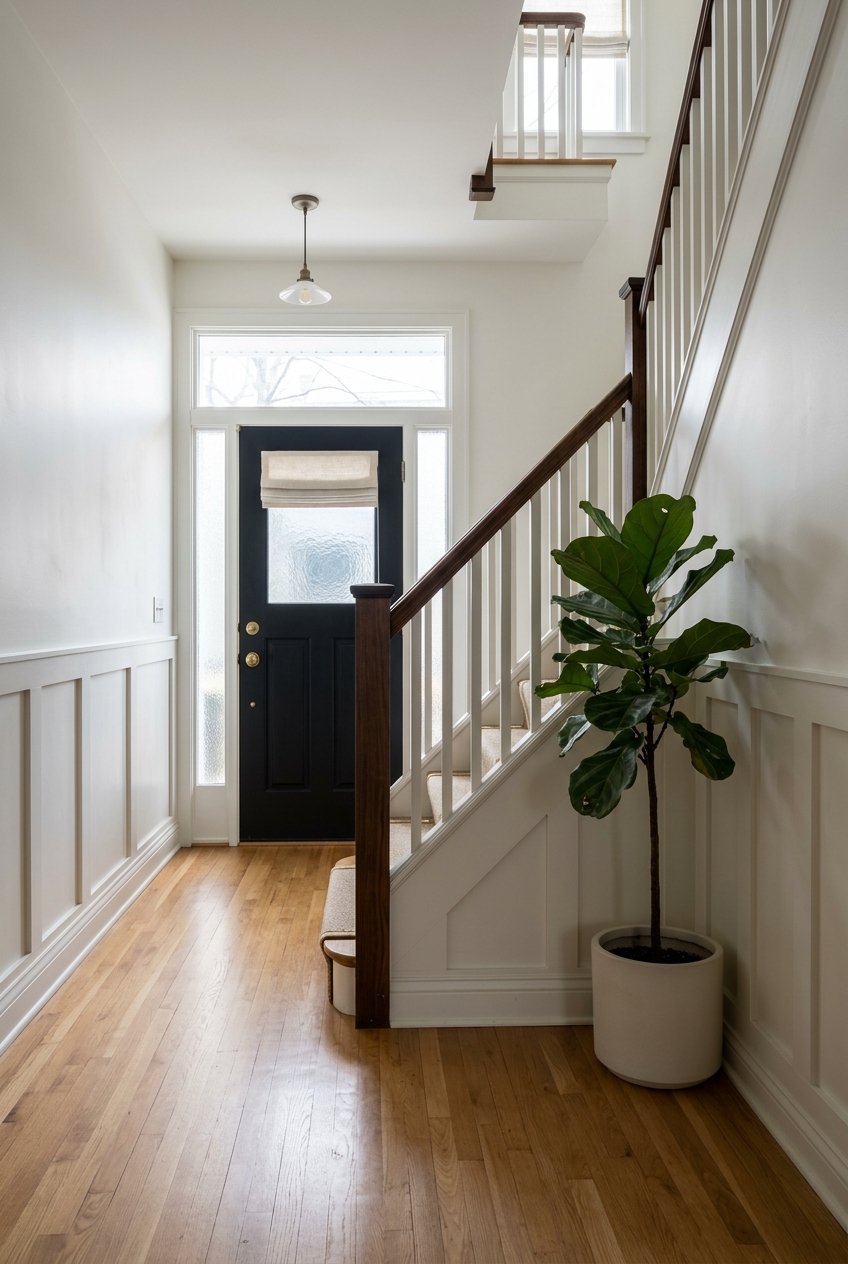
- Classic brownstones and rowhouses. Many started as single-family homes, then were subdivided, and some have been restored as high-finish condos or townhouses. Details like bow fronts, ironwork, and Italianate trim are common.
- SoWa lofts and warehouse conversions. South of Washington Street, former industrial buildings have been adapted into loft condos and studio spaces. The result is high-ceiling living with an arts-and-design vibe.
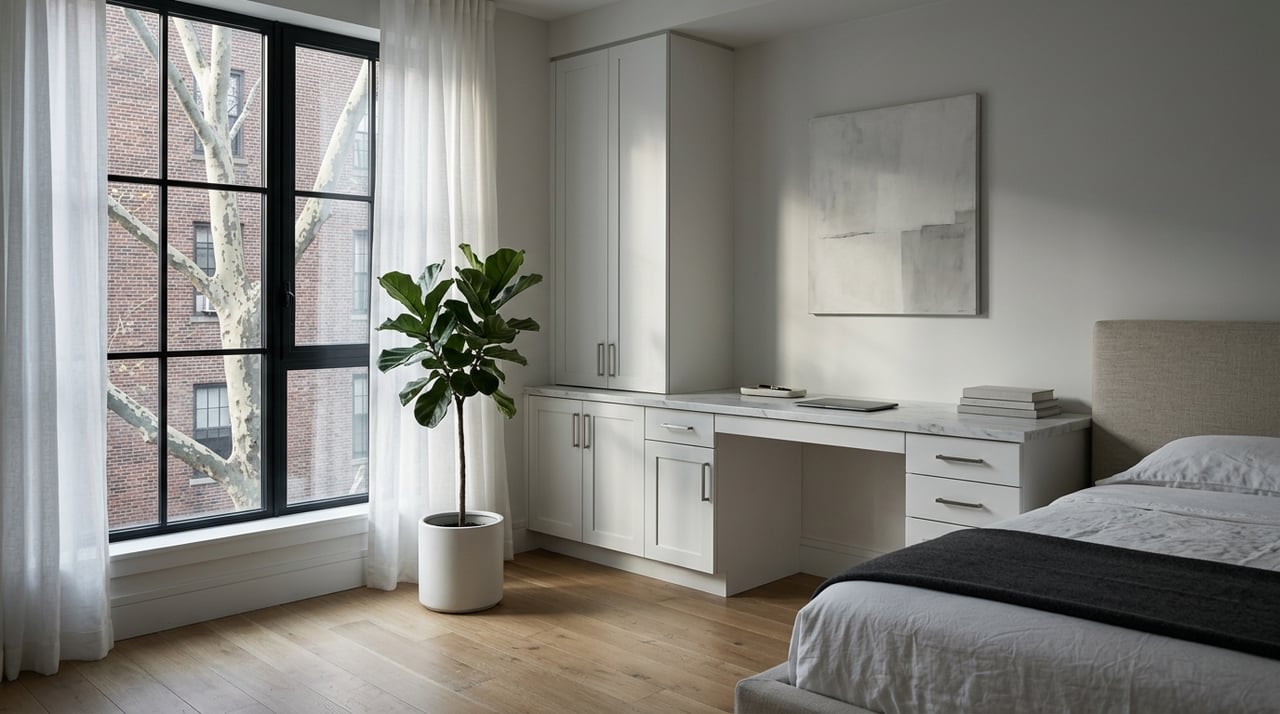
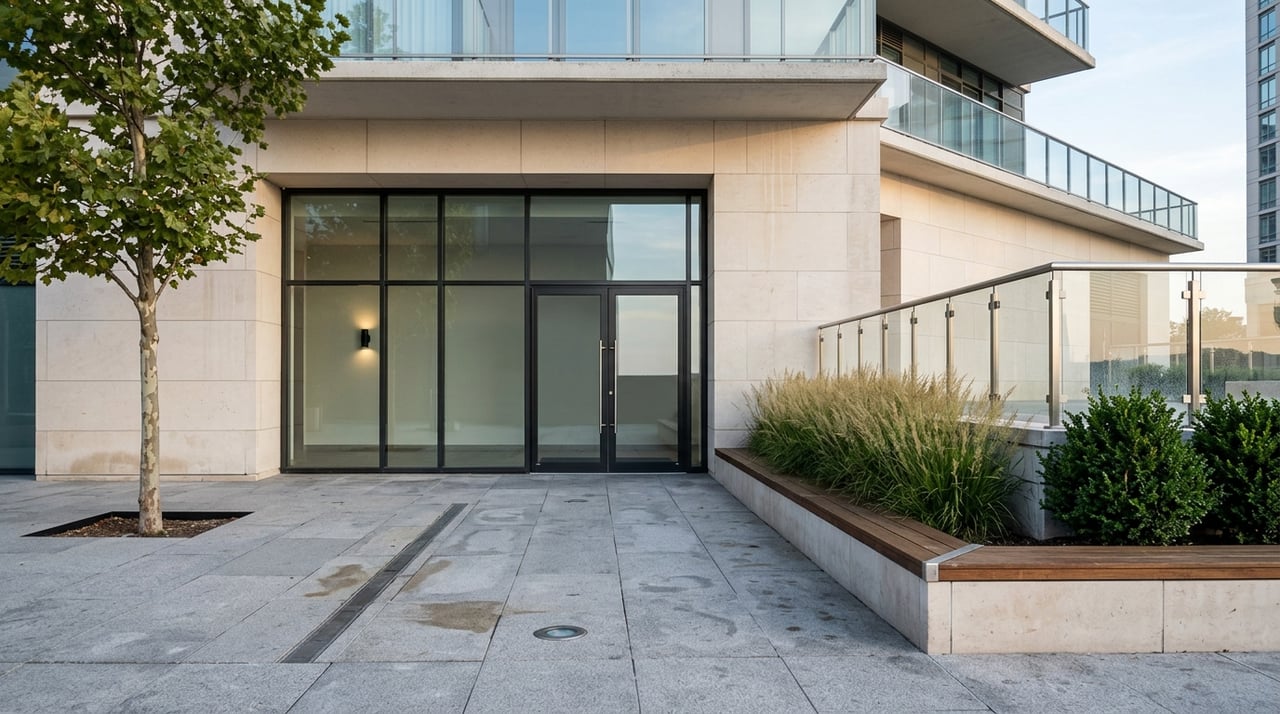
- New and infill buildings. Purpose-built condos and rentals around SoWa and the Ink Block corridor add amenities such as roof decks, fitness centers, concierge services, and on-site parking options. These broaden your choices if you prefer elevator living and modern systems.
Dining, arts, and everyday culture
The South End’s dining density is a major draw. Neighborhood guides often highlight a mix of destination restaurants and beloved local spots, along with wine bars and cafés. For a quick primer on the scene, this South End guide from Condé Nast Traveler captures the area’s food reputation and neighborhood rhythm.
Arts and markets center on SoWa. On seasonal Sundays from spring through fall, the SoWa Open Market brings together makers, farmers, vintage vendors, and food trucks. Galleries and First Fridays add steady cultural energy. Live music institutions also remain part of the fabric. One long-running example is Wally’s Café Jazz Club, a staple in local cultural coverage.
Parks and pocket green space
Instead of one large park, the South End offers many small, fenced squares and playlots woven into the grid. You will see neighbors gathering at places like Blackstone Square, Franklin Square, and Peters Park. These distributed green spaces make short walks and quick resets easy. Explore options on the City’s directory of Boston playgrounds and parks.
Transit and daily access
You are well positioned for commutes to downtown, the Longwood Medical Area, and nearby campuses. Back Bay Station anchors the northwest edge with Orange Line, commuter rail, and Amtrak service. Learn more about the hub at the Back Bay Station overview. Tufts Medical Center station connects you to the Orange and Silver Lines on the eastern edge, and Ruggles sits to the south with Orange Line and commuter rail options. Bluebikes docks and bus routes help with short trips across the neighborhood.
Market context and pricing
South End real estate is a premium central-city market. Market aggregators commonly place median sale prices in the low to mid seven figures, with price per square foot among Boston’s higher tiers. Actual values vary by property type, building, and finish level. If you plan to buy or sell, it is smart to anchor decisions to the most current MLS data for your address and property category.
Schools and community notes
School assignment in Boston depends on address and Boston Public Schools policies. For orientation, you may hear about nearby schools such as Hurley K–8, Blackstone Elementary, and Perkins Elementary. Always verify assignment with BPS or the property listing at the time of purchase.
Community life in the South End includes a long-standing mix of professionals, creatives, and medical and academic workers, as noted in local neighborhood guides. It also includes important community anchors such as Villa Victoria, developed and managed by Inquilinos Boricuas en Acción (IBA), which plays a key role in cultural programming and affordable housing. Learn more about IBA’s mission on their campaign page.
A day in the South End
Start with coffee and a quick stroll through a leafy square. If you work nearby, your commute is a short walk or a couple of stops on the Orange Line. On weekends, browse the SoWa Open Market, settle into brunch, then return in the evening for a neighborhood dinner or a live set.
Ready to explore homes?
Whether you want a restored brownstone, a SoWa loft, or a turnkey condo with amenities, senior guidance helps you pinpoint value and avoid surprises like design review hurdles or parking assumptions. For discreet buyer or seller representation tailored to South End properties, connect with The Whaley | Ring Team. Request a confidential market consultation.
FAQs
How does South End preservation affect renovations?
- Parts of the neighborhood are a Boston Landmark District. Exterior changes visible from public ways often require review by the South End Landmark District Commission. See the City’s district overview for details.
What home types are most common in Boston’s South End?
- You will find historic brownstones and rowhouses, SoWa loft conversions, and newer amenity buildings near the Ink Block and Harrison Avenue corridors. Each offers different layouts, finishes, and parking possibilities.
How suitable is the South End for households with children?
- Many households with children live here, in part due to the small squares, playgrounds, and walkable setup. School assignment is address specific, so confirm with Boston Public Schools for any property under consideration.
Do South End brownstones include parking?
- Many historic rows do not have private garages. Parking solutions vary and may include resident permits, leased spaces, or deeded spots in newer buildings. Verify parking at the property and building level.
What are the main transit options for South End residents?
- Back Bay Station offers Orange Line, commuter rail, and Amtrak service, with Tufts Medical Center and Ruggles stations providing additional Orange Line and bus or commuter rail connections. See the Back Bay Station overview for hub details.
When is the SoWa Open Market and what can you find there?
- The market typically runs on seasonal Sundays from spring through fall and features makers, farmers, vintage vendors, and food trucks. Check the SoWa Open Market page for current dates and details.