Trying to choose between a co-op and a condo in Beacon Hill? You are not alone. In a neighborhood with historic charm and limited inventory, the ownership structure you pick will shape your financing options, monthly costs, flexibility, and resale timeline. This guide breaks down how each option works in Massachusetts, what to expect from boards and lenders, and how Beacon Hill’s historic buildings affect your decision. Let’s dive in.
Co-op vs condo at a glance
- Condos give you fee simple ownership of your unit plus a share of common areas. You control more inside your four walls, within association rules.
- Co-ops give you shares in a corporation and a proprietary lease. You follow stricter building policies, and the board approves buyers and many decisions.
- Financing for condos is broader and generally easier. Co-ops use share loans from lenders comfortable with this structure.
- Monthly charges are structured differently. Condo fees cover common areas, while co-op maintenance often includes property taxes, building insurance, staff, and sometimes building-level debt.
Ownership and legal structure
What you own in a condo
In Massachusetts, condominiums are governed by the Massachusetts Condominium Act, often cited as M.G.L. c. 183A. You hold title to your specific unit and a fractional interest in the common elements. You pay your own mortgage and property taxes and a condo association fee that supports building operations and reserves.
What you own in a co-op
A cooperative is a corporate entity that owns the building. You buy shares in the corporation and receive a proprietary lease or occupancy agreement. Your monthly maintenance covers your share of building expenses, including real estate taxes and any building-level mortgage, plus staff, insurance, and common-area utilities.
Why this matters
Title affects the loan you can use, how taxes are paid, and your resale pool. Co-ops centralize control, which can mean more uniform building standards. Condos allow more individual autonomy, though you still follow association rules.
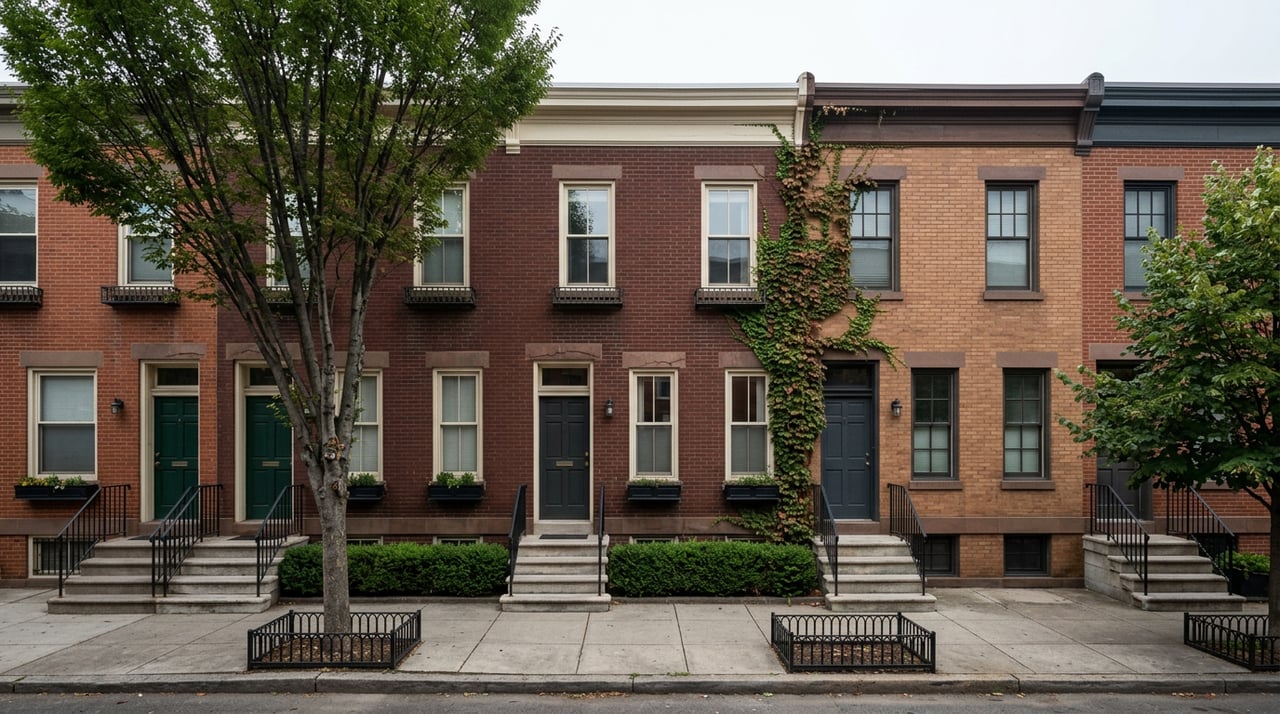
Beacon Hill’s historic context
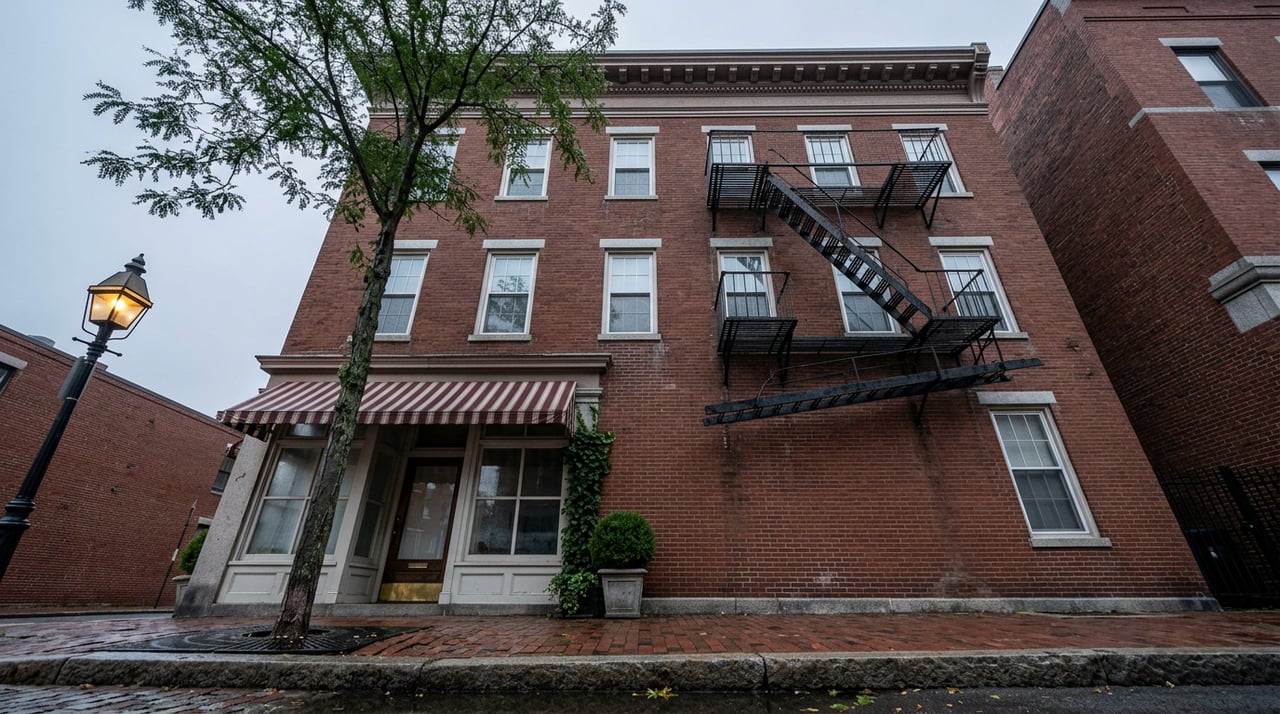
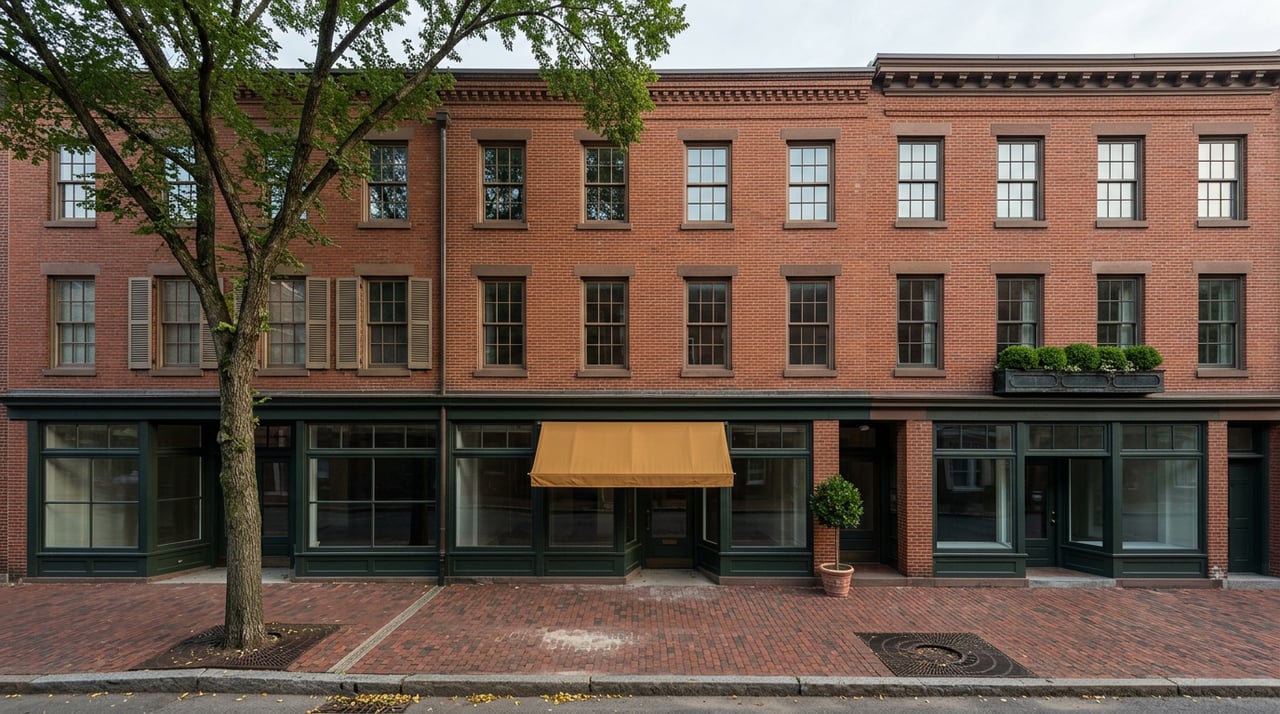
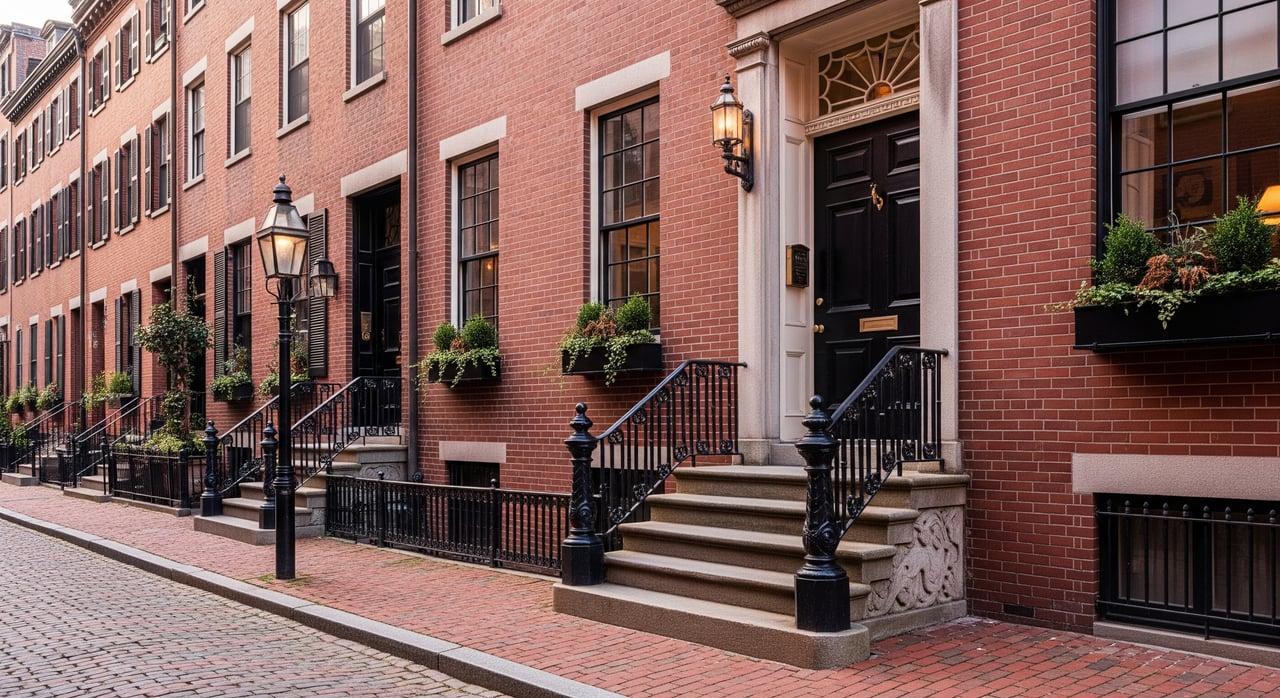
Beacon Hill’s buildings are older and often subject to local historic-district review for exterior changes. This can add time and cost to façade work, window projects, and other exterior improvements. Both co-ops and condos must plan carefully for preservation-sensitive repairs. Strong reserves matter because exterior work can be specialized and expensive.
Board approval, rules, and flexibility
Co-op board approval
Co-op boards typically vet buyers with detailed applications, financials, references, background checks, and an interview. Approval timing often runs 2 to 6 weeks, sometimes longer depending on board schedules and how complete your package is. Boards can approve, deny, or set conditions. This step adds time to closing and narrows the buyer pool to those who fit the board’s standards.
Condo association oversight
Condo associations enforce bylaws and rules, but they usually do not approve each buyer in the same way a co-op does. Some condominium documents include rights like a right of first refusal, so you should review the declaration and bylaws. Condos may require new owner registration and have approval steps for renters.
Rental, pets, and renovation rules
Co-ops often set stricter rental policies, such as minimum owner-occupancy periods or caps on rented units. Condos typically permit renting subject to association rules, though many limit short-term rentals. Both forms regulate pets, renovations, and noise through bylaws and house rules. In Beacon Hill, any exterior changes will also need to comply with historic-district requirements.
Financing, taxes, and monthly costs
Financing paths
- Condos: Most conventional lenders finance condos, and many projects can be eligible for conventional, FHA, or VA loans if they meet program criteria. Underwriting looks at your credit, the appraisal, association financials, reserves, delinquencies, and owner-occupancy rates.
- Co-ops: You use a share loan secured by your shares and proprietary lease. Fewer lenders make these loans, and underwriting is often more conservative. FHA or VA options are less common for co-ops and depend on project-level eligibility.
Down payment expectations
Co-ops often require higher buyer equity, commonly 20 percent or more, with some buildings expecting 25 to 30 percent. Condos can be financeable with lower down payments depending on the loan product and the building’s financial health. Your lender will include monthly common charges or maintenance in debt-to-income calculations.
Taxes and deductions
Condo owners pay property taxes directly and may deduct real estate taxes and mortgage interest, subject to tax law limits and itemization rules. In co-ops, the corporation pays the building’s real estate taxes and mortgage interest, and your maintenance typically includes your pro rata share. Many co-ops issue tax packages so shareholders can determine their potential deductions. You should consult your tax advisor for specifics.
What monthly fees cover
- Condo fees typically cover common-area maintenance, exterior insurance, management, and reserves. You also carry separate property taxes and individual unit insurance.
- Co-op maintenance usually covers real estate taxes, building insurance, staff, common-area utilities, repairs, reserves, and payments on any underlying building mortgage. Maintenance can look higher because it bundles more costs.
Reserves, assessments, and building debt
Reserve funds
Healthy reserves help pay for major building systems, such as roofs, façades, elevators, and mechanicals. Condos often provide reserve studies and disclosures at resale. Co-ops also provide budgets and financial statements, and they should disclose reserve levels in the resale package. A low reserve balance raises the risk of special assessments.
Special assessments and underlying mortgages
If reserves and regular income are not enough, boards may levy a special assessment for capital projects. Many co-ops also carry an underlying mortgage on the entire property, which is paid from maintenance charges. Higher building debt can affect your financing options and the building’s attractiveness to lenders.
Historic-building realities in Beacon Hill
Façade repairs, window work, and masonry can be significant and often require approvals that increase cost and time. Older systems like boilers and elevators can demand planned replacements. When reviewing a property, you should look closely at past and planned projects and how the building funds them.
Resale and liquidity in Beacon Hill
Buyer pool and timing
Condos generally attract a broader buyer pool, including investors and out-of-state purchasers, which can translate to easier financing and faster resales. Co-ops can take longer to sell because of board approval, stricter financing, and rental limits. Plan for the interview and approval timeline when you set expectations for closing.
Investor friendliness
Condos are typically more investor-friendly because title is straightforward and renting is usually allowed under association rules. Co-ops often discourage renting and may impose limits that reduce investor demand. This difference can affect pricing, days on market, and buyer competition.
Value protection vs marketability
Some buyers value the privacy and standards of co-op buildings and view them as better at preserving long-term building quality. Others prefer the flexibility and wider market of condominiums. Your best choice depends on whether you prioritize control and privacy or flexibility and liquidity.
Which option fits your goals
Choose a co-op if you value
- Strong building standards, privacy, and centralized rules
- A community with higher owner-occupancy expectations
- Willingness to provide a thorough application and interview package
- Potentially higher equity upfront and a measured timeline
Choose a condo if you value
- Broader financing options and a larger buyer pool at resale
- Flexibility to rent, within association rules
- More autonomy inside your unit, with fewer transfer hurdles
- Potentially faster closing without board interviews
Due-diligence checklist
For condos
- Master deed or declaration, bylaws, and rules
- Budget, year-to-date financials, and reserve study or schedule
- Recent reserve fund balance and any planned special assessments
- Minutes of board meetings for the past 12 to 24 months
- Lender condo questionnaire and insurance summary
- Any pending litigation disclosures
For co-ops
- Proprietary lease, bylaws, house rules, and share certificate details
- Corporate financials, budget, and recent audit if available
- Reserve balances and any recent or planned capital projects
- Minutes of board meetings and any litigation disclosures
- Board application, required documents, fee list, and interview timing
- Details on underlying mortgage, building debt, and delinquency rates
- Sublet policy and any transfer fees or taxes
Smart steps to get started
- Confirm financing options early. Ask lenders about condo versus co-op programs and request pre-qualification that includes HOA or maintenance charges.
- Review building policies up front. If you are considering a co-op, understand the application, interview timing, and any conditions for approval.
- Evaluate reserves and capital plans. Focus on façade, roofing, windows, elevators, and mechanicals that matter in older Beacon Hill buildings.
- Align tax expectations. Ask for the condo’s tax and fee structure or the co-op’s shareholder tax package, then consult your tax advisor.
- Use experienced local counsel. Massachusetts-specific documents, including proprietary leases and declarations, deserve a careful legal review.
The bottom line
Both forms of ownership can perform well in Beacon Hill. A condo usually offers simpler financing, more flexible rental options, and wider resale appeal. A co-op often delivers tighter building standards, a more controlled resident base, and a strong sense of stewardship. The best fit is the one that aligns with your financing profile, your need for flexibility, and your comfort with board oversight.
If you want a clear view of the tradeoffs in a specific building, we can help you evaluate financials, reserves, policies, and timing so you buy with confidence. For discreet, senior-led guidance tailored to Beacon Hill, connect with The Whaley | Ring Team.
FAQs
What is the main difference between a Beacon Hill co-op and condo?
- A condo gives you fee simple title to your unit plus common areas, while a co-op gives you shares in a corporation and a proprietary lease for your apartment.
How long does co-op board approval take in Boston?
- Many co-op boards take 2 to 6 weeks to review a complete application, conduct interviews, and vote, which can extend the closing timeline.
Which is easier to finance in Beacon Hill, a co-op or a condo?
- Condos usually offer broader lender options and program eligibility, while co-ops require share loans from lenders comfortable with the structure and stricter underwriting.
Why can co-op maintenance fees look higher than condo fees?
- Co-op maintenance often includes real estate taxes, building insurance, staffing, and payments on any building mortgage, so more costs are bundled into one charge.
How do historic-district rules affect Beacon Hill buildings?
- Exterior work can require approvals that add cost and time, so both co-ops and condos must plan for façade, window, and masonry projects and maintain solid reserves.
Are condos better for renting out in Beacon Hill?
- Usually yes. Condos tend to allow rentals within association rules, while many co-ops restrict or limit subletting, which can reduce investor flexibility.