If you want a home base in Boston that lets you step into meetings, dinner, the theater, or the waterfront with minimal planning, Downtown deserves a close look. For many buyers, a pied-à-terre here is less about square footage and more about convenience, flexibility, and access. The right purchase can make city stays simpler and more enjoyable, but only if you match the building, rules, and location to how you will actually live. Let’s dive in.
Why Downtown works well
Downtown Boston has long been the center of the city, but today it is more than a work district. Boston’s 2025 Downtown profile says the neighborhood had 181,955 payroll jobs in 2023, or 25.3% of Boston’s payroll jobs, while housing units grew 36% from 2010 to 2025. That mix helps explain why Downtown now functions as both a business hub and a true residential address.
For pied-à-terre buyers, that balance matters. You are not buying into a neighborhood that only comes alive during office hours. The city’s current downtown strategy also prioritizes more housing, stronger connectivity, and more activity beyond the workday, which supports the idea of Downtown as an all-day, all-week neighborhood.
Daily life is highly walkable
One of Downtown’s strongest advantages is how much it places within easy reach. The area includes corporate offices, City Hall, Boston Common, the Greenway, Faneuil Hall, restaurants, cafes, historic sites, theaters, and 5.5 miles of waterfront. If your goal is a low-friction city base, that kind of proximity is hard to ignore.
Downtown Crossing shows the scale of activity. According to Boston, more than 200,000 workers come through daily, and 250,000 pedestrians move along Washington, Winter, and Summer Streets. For you, that means a central location with constant energy and straightforward access to errands, transit, and dining.
Theater and transit add value
For many second-home buyers, the ideal pied-à-terre supports a car-light lifestyle. Downtown’s Theatre District helps deliver that. Boston identifies the Opera House, Modern, and Paramount as historic Downtown theaters, while major venues like the Boch Center and Emerson Colonial Theatre sit within walking distance of several transit stops.
That combination can make short stays feel seamless. You can arrive, settle in, walk to dinner, attend a performance, and get back home without dealing with traffic or parking. If you plan to use the property for business trips, weekends, or seasonal city stays, that ease can be a major part of the appeal.
What to prioritize in a building
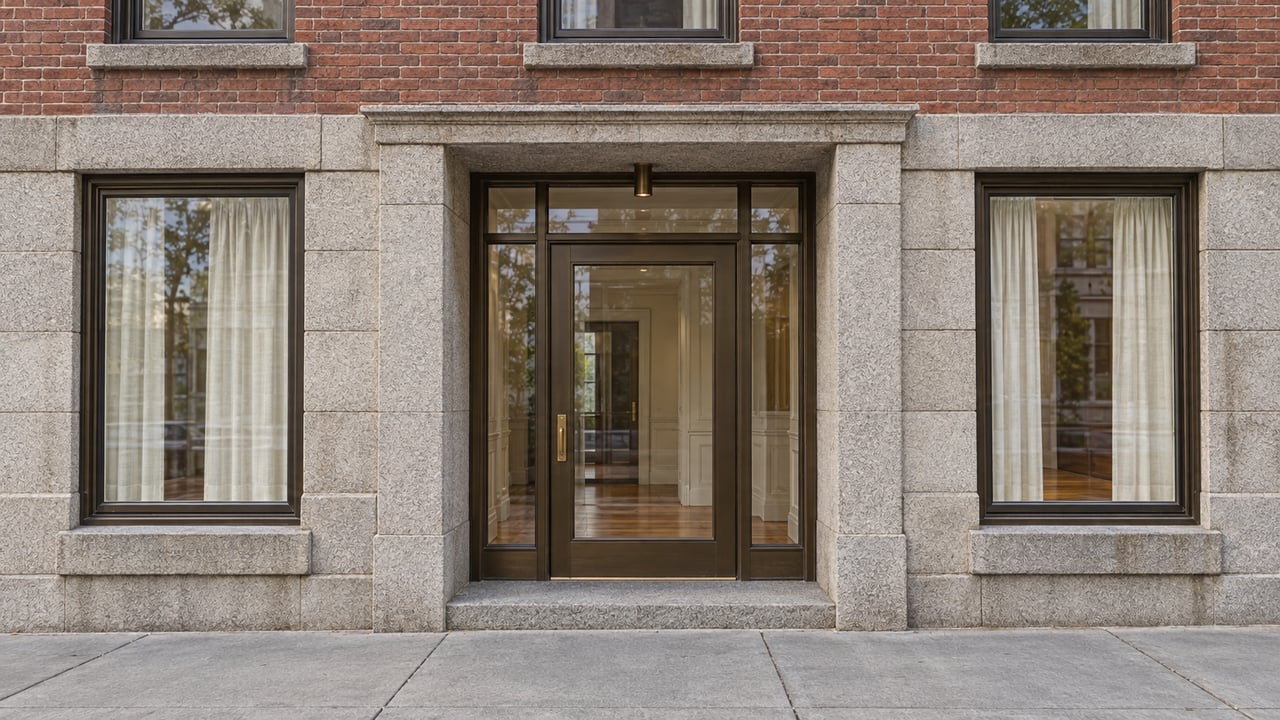
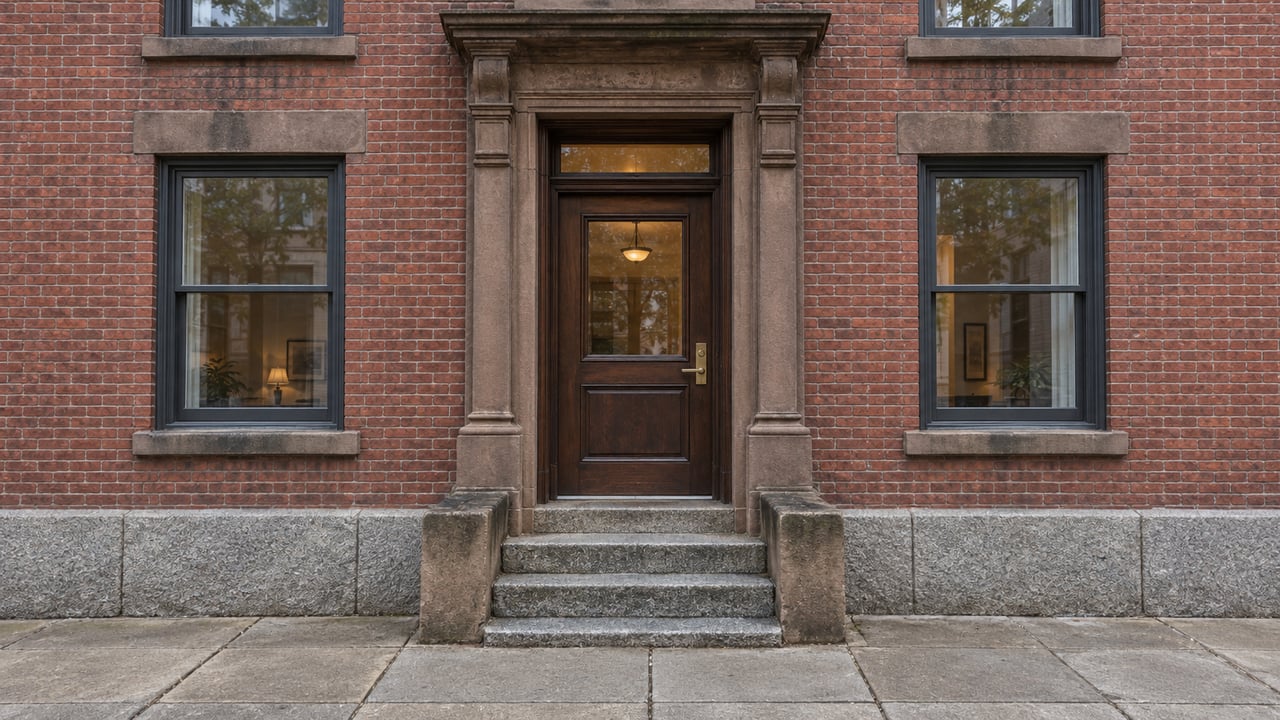
Not every Downtown condo building serves a pied-à-terre owner equally well. The neighborhood includes everything from historic apartment buildings to modern glass towers, so floor plans, amenities, and service levels can vary widely. In many cases, the best fit is not the largest unit but the building that is easiest to manage when you are in town and just as easy to leave when you are not.
A useful way to think about your search is service versus space. Higher-service buildings and newer towers may be a better match for occasional use, while older conversions may offer more character and a more intimate feel but fewer amenities or less efficient storage. That is not a hard rule, but it is a helpful framework when comparing options.
Features worth comparing
When you tour Downtown buildings, pay close attention to the practical details that affect day-to-day ownership.
- Front-desk coverage
- Secure entry systems
- Package handling
- Elevator service
- Parking availability
- Private storage options
- Condo association rules
These details matter because an infrequent-occupancy home has different priorities than a full-time residence. You may care less about extra rooms and more about security, convenience, and predictable building operations.
Condo documents matter more than many buyers expect
In Massachusetts, condominiums are privately owned and governed through the master deed, bylaws, deed, and Chapter 183A. The state also says legal questions about condo documents and owner rights should be directed to a real estate attorney. That makes document review an essential part of the purchase process, especially for a pied-à-terre.
Two similar units in Downtown can come with very different rules. Before you make an offer, review rental rules, pet rules, guest policies, renovation restrictions, reserve funds, and any special-assessment history. These items can shape both your day-to-day use and your long-term carrying costs.
Focus on lock-and-leave realities
A pied-à-terre is often a part-time home, so building rules and operating structure matter in a very practical way. If you travel often or live elsewhere most of the year, you want clarity on what happens when the unit sits empty for stretches of time.
That means asking direct questions such as:
- How are deliveries handled?
- Are there limits on guest stays?
- What renovation approvals are required?
- Has the association had recent or recurring special assessments?
- How strong are reserves?
Understand insurance and carrying costs
Monthly costs should be part of the evaluation from the start. Mass.gov notes that condo owners need coverage for what the association’s master policy does not cover, and association agreements may allow additional assessments after a loss. For that reason, an HO-6 review and an association financial review are both important.
You should also budget for the ordinary costs that continue whether you are in the unit or not. Utilities, internet, insurance, property taxes, and maintenance still apply to an occasional-use home. In most cases, it makes sense to view a Downtown pied-à-terre as a lifestyle and convenience purchase first, with financial considerations following behind that.
Short-term rentals are not simple
If part of your plan is to rent the unit when you are away, Boston’s local rules deserve careful attention. The city allows rentals of fewer than 28 days only in owner-occupied condominiums, owner-occupied single-family homes, and owner-occupied two- and three-family buildings. Hosts must also display an active registration number on any listing.
The practical takeaway is straightforward. A pure lock-and-leave second home in Downtown Boston is generally not a simple short-term rental play. If flexibility matters to you, review both city rules and the building’s own rental restrictions before moving forward.
Compare nearby alternatives
Downtown is not the only strong option for a Boston pied-à-terre. In many searches, the best decision comes from comparing Downtown with nearby neighborhoods that offer a slightly different feel.
Back Bay for classic prestige
Back Bay is adjacent to Downtown and the Public Garden, with elegant architecture and major retail corridors such as Newbury Street, Boylston Street, and Commonwealth Avenue. If you want a more established luxury address and a historic, high-status neighborhood feel, Back Bay is often the clearest alternative.
Beacon Hill for quieter streets
Beacon Hill sits just west of Downtown and is known for brick row houses, narrow cobblestone lanes, and Charles Street’s shops and restaurants. It feels more residential and quieter than Downtown, while still keeping you close to central Boston.
Bay Village for smaller scale
Bay Village offers a more intimate setting close to Downtown. Boston describes it as surrounded by Chinatown, Back Bay, the South End, and Downtown, while Bostonplans notes its narrow streets, brick sidewalks, historic facades, and gas street lamps. It can be a strong fit if you want centrality without the scale of the core.
South End for neighborhood texture
The South End is just minutes from Downtown and Back Bay, but it reads more like a full residential neighborhood. With restaurants, bars, galleries, boutiques, and the SoWa Open Market, it may appeal if you want a broader neighborhood feel and a strong dining scene.
Chinatown and Leather District for transit
Chinatown is a useful comparison if transit access is a top priority. Bostonplans describes it as a commercial and cultural hub with easy access to Downtown, the Theater District, and the waterfront, while South Station serves as a major rail and bus hub nearby. The Leather District is closely tied to that same accessibility.
Seaport for newer construction
If your preference leans toward newer buildings and a contemporary waterfront setting, the South Boston Waterfront, often called Seaport, is the most relevant comparator. Bostonplans describes it as a rapidly transforming creative, tech, and residential hub with condo options and Harborwalk access. It is often the best nearby choice for buyers who want newer-construction energy rather than classic Downtown fabric.
How to decide if Downtown is right
The best Downtown pied-à-terre usually aligns with how you intend to use it. If you want quick access to offices, South Station, the Theater District, and major city destinations, Downtown offers a compelling mix of convenience and activity. If you prefer quieter streets, a more purely residential setting, or a stronger historic or waterfront identity, one of the nearby neighborhoods may suit you better.
In practice, the search often comes down to a few core questions. Do you want full-service ease or more character? Do you need parking, or can you live comfortably without a car? Would you rather be in the center of everything, or just next to it?
For buyers considering a central Boston second home, careful building-level due diligence is what turns a good idea into a smart purchase. The Whaley | Ring Team brings senior-led guidance, deep neighborhood knowledge, and discreet buyer representation to help you compare Downtown with the right alternatives and evaluate each opportunity with clarity. If you are considering a pied-à-terre in Boston, The Whaley | Ring Team can help you approach the search with confidence.
FAQs
What makes Downtown Boston a strong pied-à-terre location?
- Downtown offers a rare mix of office access, restaurants, theaters, transit, historic sites, green space, and waterfront proximity, all within a highly walkable central Boston setting.
What should you look for in a Downtown Boston condo building for part-time use?
- Focus on secure entry, front-desk coverage, package handling, elevator service, parking, storage, and condo rules that support an easy lock-and-leave experience.
What condo documents should you review before buying in Downtown Boston?
- Review the master deed, bylaws, deed, rental rules, pet rules, guest policies, renovation restrictions, reserve funds, and any special-assessment history with a real estate attorney.
Can you use a Downtown Boston pied-à-terre as a short-term rental?
- Boston allows rentals of fewer than 28 days only in owner-occupied qualifying properties, so a second home that is not owner-occupied is generally not a straightforward short-term rental option.
Which Boston neighborhoods should you compare with Downtown for a pied-à-terre?
- Back Bay, Beacon Hill, Bay Village, South End, Chinatown, the Leather District, and Seaport each offer a different mix of character, convenience, transit access, and building style.
Are carrying costs important for a Downtown Boston second home?
- Yes. Condo fees, insurance, utilities, internet, property taxes, maintenance, and the possibility of additional assessments should all be part of your decision-making.