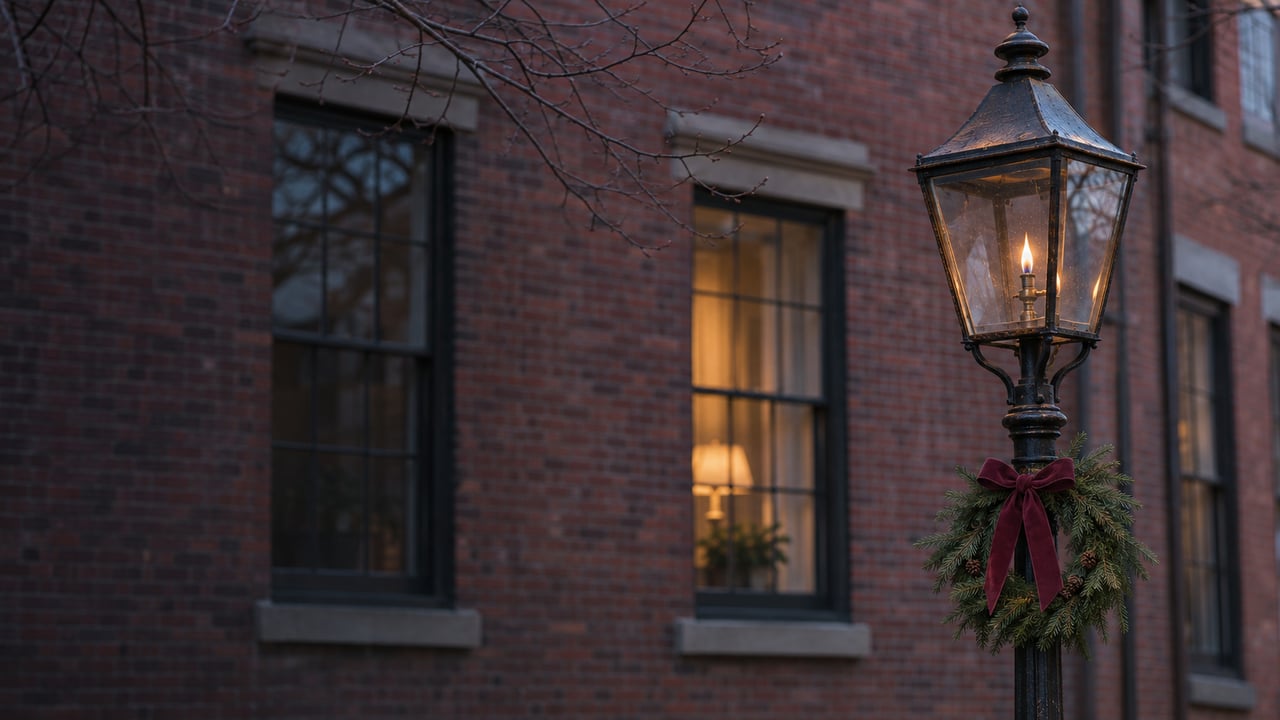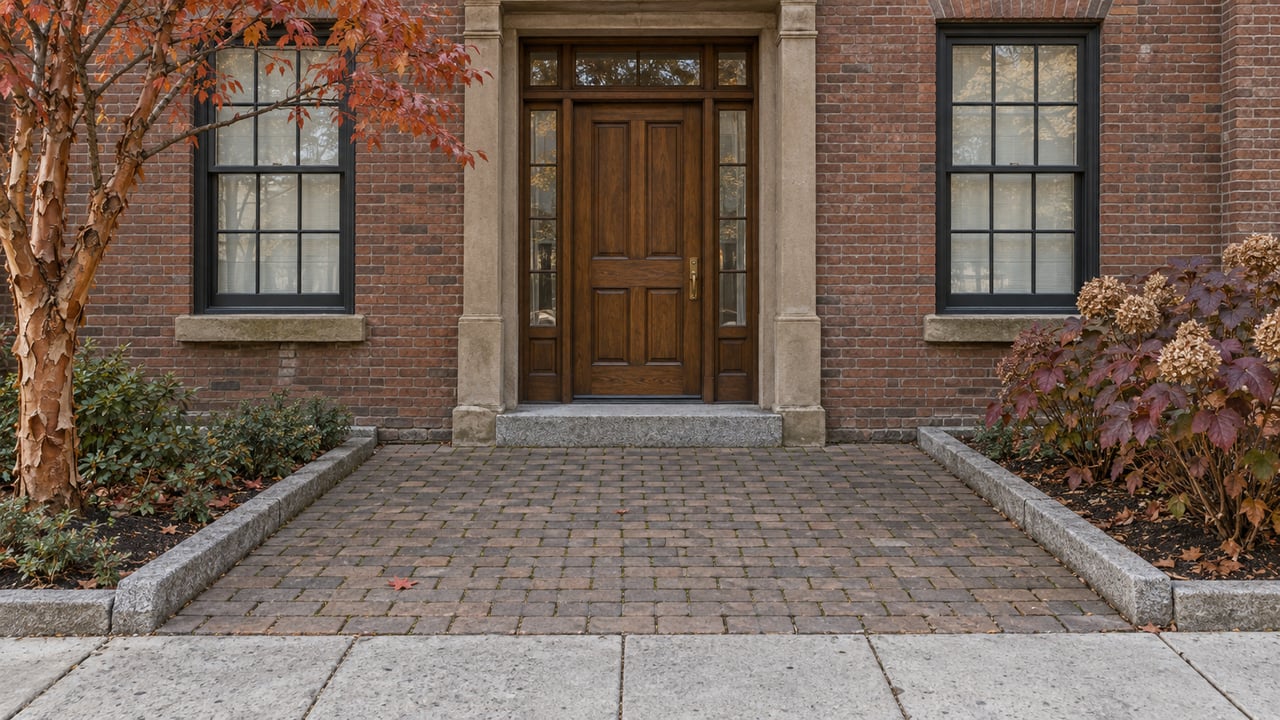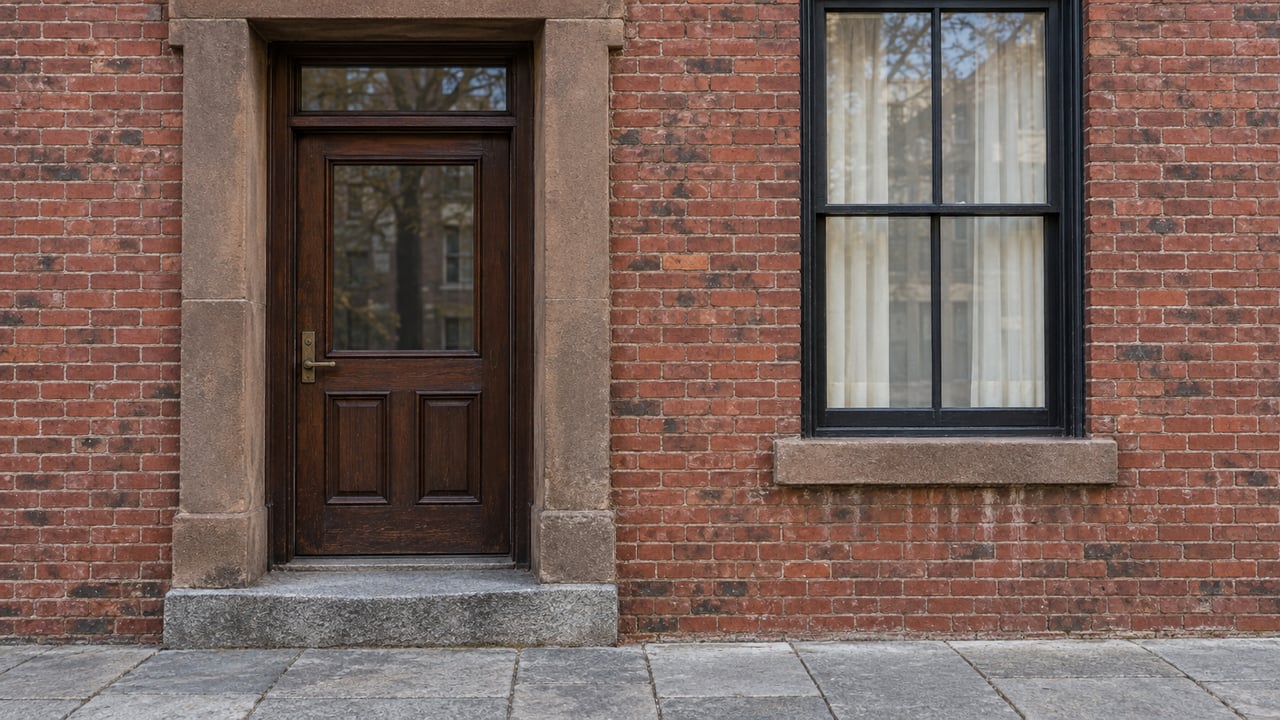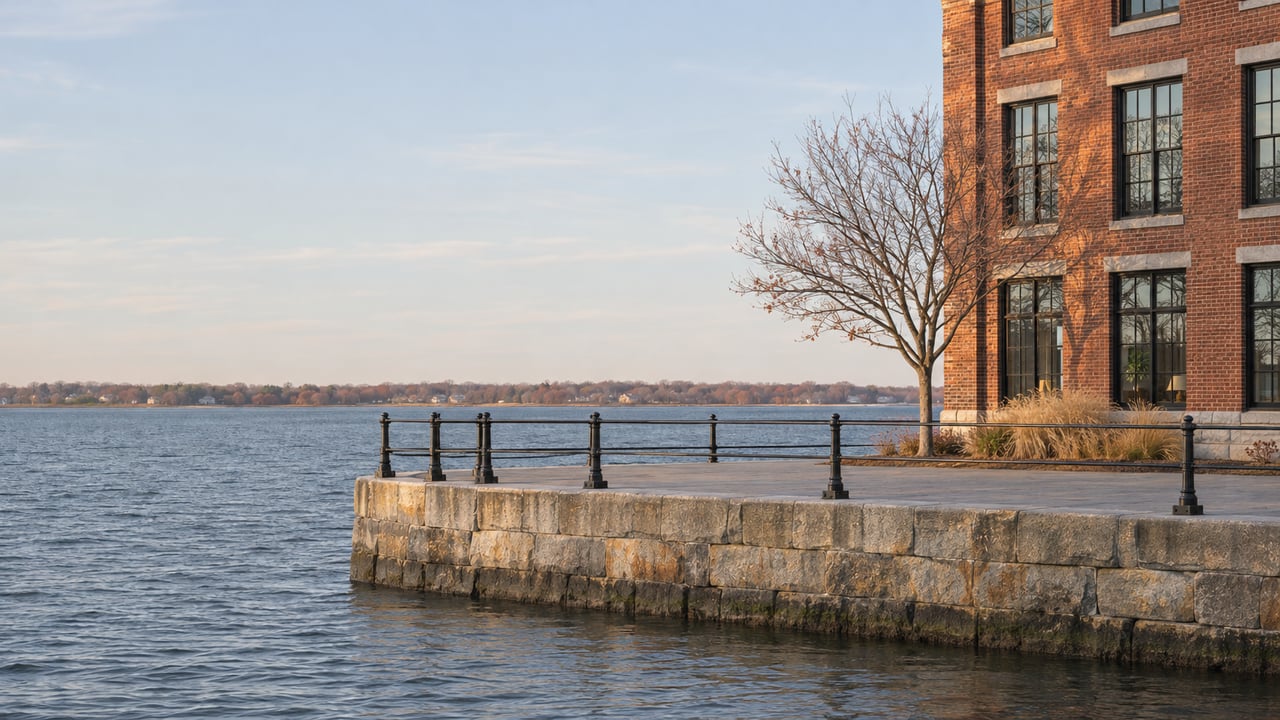
Courageous Sailing's public page for its Pier 5 proposal includes a rendering from a balcony halfway up Flagship Wharf. The view takes in the pier below as Courageous proposes to rebuild it. It shows a two-story waterfront community center with classrooms under a sloping green roof that is open to the public. Steps lead down to a floating tide pool that the nonprofit calls a "learning lagoon." Today the view from that balcony is a closed pier. The rendering is a reminder that a private residence and a public decision share the same window.
Buyers in the Charlestown Navy Yard pay for the water, the open sky over the piers and the activity along the Harborwalk. In this part of Boston, much of that is publicly owned and handed to operators through licenses and long ground leases. The piers and the park beside the residential buildings come up for decision at Boston Planning & Development Agency board meetings, and several of those decisions are now underway.
Pier 5 is heading toward a 70-year lease
Pier 5 has been closed to the public because of severe deterioration. The Planning Department dates its documented decline to an initial inspection in 2018. An engineering report by Foth dated January 4, 2024 rated the pier "Serious" and recommended keeping it closed until it is repaired. Falling concrete and rebar made the area under the deck unsafe to inspect.
The city's Pier 5 request for proposals covers about 158,461 square feet of pier and watersheet. It asked for open space, recreation, civic and cultural uses, and water-dependent uses. The terms are long. The winning proponent signs a 70-year ground lease with the BPDA, with asking rent starting at $315,000 a year. A 70-year lease outlasts nearly any ownership period a buyer has in mind, and the building it allows will set the character of this stretch of the Harborwalk for decades.
The city's procurement record lists two named respondents, Courageous Sailing Center for Youth, Inc. and Charlestown Marina, LLC. On December 11, 2025, the BPDA board voted to give Courageous tentative designation and to start lease negotiations. The Planning Department's Pier 5 page still lists that vote as its latest update, and the next board action on the pier will be the one that decides what gets built.
What each side wants the pier to be
Courageous has the clearest case for need. The Boston Globe reported that the nonprofit, founded in 1987, serves about 1,000 children and 2,000 adults a year. Its current home on Pier 4 has no indoor classrooms, bathrooms or changing rooms, and it has never been able to get through its waitlist. In the same report, Courageous estimated the full buildout at $65 million to $80 million and said it had secured more than $1 million from foundations, companies and individual donors. The RFP offered up to $8 million toward demolishing or rehabilitating the pier.
The proposal also includes function space for events such as weddings. Executive director Dave DiLorenzo told the Charlestown Patriot-Bridge that this earned revenue would support operations and maintenance. He said Courageous already hosts weddings under a tent on Pier 4 and would work with the city and neighbors so that events do not disrupt them. The Patriot-Bridge also reported support from State Rep. Dan Ryan, City Councilor Gabriela Coletta Zapata and CNC Chairperson Tom Cunha.
Neighbors raised the questions a buyer would ask in the public comments the city collected in August 2025. One commenter raised construction noise, drilling and traffic, blocked views, and noise from evening events. Another letter asked how public use would be scheduled, whether limits on events would continue, and how added traffic and delivery vehicles would be handled. The Globe reported that BPDA staff recognized concerns about public access, traffic, parking, financial management and project viability, and said the city and Courageous would work on them over the following year.
The debate is still going. On November 13, the Patriot-Bridge published a letter under the Pier 5 Association's name asking for a free public park instead. The letter puts the project's cost at $80 million to $100 million and lists an event venue, roof terrace, harbor pool, floating dock, classrooms, offices and concessions. It names ASM Global/Legends Global as a participant and asks for an independent comparison of the alternatives, including how much of the pier would stay free and open to the public. Neither side disputes that sailing belongs on the harbor. The disagreement is over how much of the pier carries ticketed and event activity. For the residences closest to it, that mix will shape evenings on the water more than any single design feature.
Which buildings sit closest
The RFP places Pier 5 between Pier 4 to the southwest and the Charlestown Marina slips to the northeast, with the Harborwalk along its landward edge. It also describes an access and utility easement at the eastern corner of Flagship Wharf. In practice, a unit at Flagship Wharf, especially one facing the pier, is priced on a view whose next 70 years are now being negotiated. A unit across the Navy Yard at The Basilica, Constellation Wharf, Parris Landing, Harborview or Navy Yard 33, all residences the Friends of the Charlestown Navy Yard list in the yard, carries a different exposure. In this part of Charlestown, the same harbor view can come with very different futures depending on which public parcel it looks over.
Shipyard Park is next in line
Shipyard Park covers nearly 12 acres. Its current activation license belongs to The Anthem Group, which won the earlier Shipyard Park RFP and created The Anchor, a wine and beer garden, public gathering space, arts venue and event setting. The Boston Globe's 2026 beer garden roundup listed The Anchor among the venues open for this season.
The city's Shipyard Park page says it plans to issue a new RFP for an activation license after the current one expires. A community meeting on October 14, 2026 gathered ideas and feedback to help draft it. In the Pier 5 comment file, a Flagship Wharf resident raised event parking and the way sound carries over water, the same considerations that apply to any evening programming along this stretch of the harbor. The next license will set its terms, including how often events run and how late, so it is as relevant to a Navy Yard purchase as anything in a condo budget.
Two buildings inland are changing too
Two projects inland from the piers change the yard's daytime population rather than its views. Boston National Historical Park started work on Building 107 on October 26, 2026. It is a 1904 national historic landmark that once housed the tradespeople who kept the Navy Yard running. The renovation costs about $50.2 million, comes from the Legacy Restoration Fund under the Great American Outdoors Act, and will bring the park's administrative, maintenance, interpretation and curatorial teams together in one building. The National Park Service's project page tracks construction progress.
Next door, the BPDA board approved the Building 108 project on September 18, 2025. The Patriot-Bridge reported that the plan calls for a five-story building of nearly 100,000 square feet, with more than 78,000 square feet of research and development space, an 1,800-square-foot restaurant and café, 39 below-grade parking spaces and 30 bike spaces. The site sits within the MGH life sciences and teaching campus. At the approval, the proponent said it had not yet signed an anchor tenant.
How this changes a Navy Yard purchase
In most Boston condo markets, a buyer weighs the building, its finances and the unit. In the Navy Yard, a buyer also needs a clear picture of the nearest public parcel and the status of its next decision. For a Flagship Wharf unit facing Pier 5, the questions are whether Courageous reaches final designation and what ratio of classes to events the lease allows. For a unit near Shipyard Park, the questions are who wins the next activation license and on what terms. Near Buildings 107 and 108, the useful questions are about construction and, eventually, who moves in. Each of these is decided in public, with community meetings and recorded board votes that a buyer can follow before signing.
Getting around is less uncertain. The MBTA lists the F4 Charlestown ferry as a year-round route. The F10 Harbor Loop, which started weekday service on June 29, 2026, links Lovejoy Wharf, Central Wharf, the Seaport and Logan. It does not stop at the Navy Yard, but riders can transfer to the Charlestown boat at Central Wharf. Small public amenities are part of the yard's draw as well. In 2026 the USS Constitution Museum reopened its free nine-hole mini-golf course next to the museum, with a new design for its third season.
Our earlier look at the stories reshaping Charlestown off Main Street covered the hill. Our guide to buying on Boston's waterfront covers the building-level questions every harbor purchase raises. In the Navy Yard, the parcel next door belongs on that same list.
If you are weighing a Navy Yard residence, especially one that looks onto Pier 5 or Shipyard Park, The Whaley | Ring Team can review that unit against the public decisions scheduled around it before you commit. Request a confidential market consultation and we will prepare a review of the building, its outlook and the parcels nearest it.