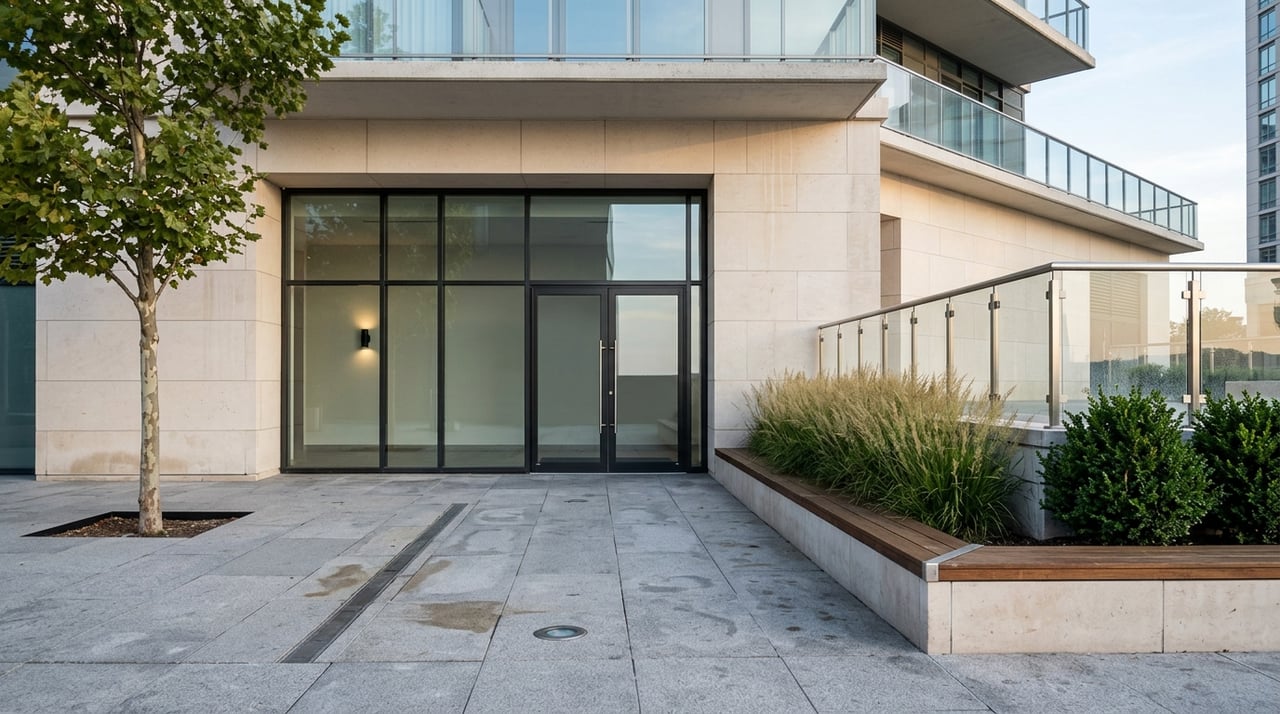
Buying on Boston’s waterfront can feel like getting the best of the city in one address: harbor views, walkability, full-service buildings, and immediate access to public waterfront space. It can also come with a more complex ownership picture than many buyers expect. If you are considering a home in or around 02110, this guide will help you understand how the area is laid out, what kinds of buildings you will actually see, and which due diligence questions matter most before you buy. Let’s dive in.
Waterfront 02110 Is Not One Uniform Neighborhood
One of the most important things to know is that Boston’s 02110 waterfront is not a single, neatly defined residential district. It is better understood as a compact mix of wharf-adjacent blocks and downtown edge parcels that include places like Long Wharf, Rowes Wharf, India Wharf, Central Wharf, Russia Wharf, and nearby Greenway parcels.
That matters because one building can feel very different from another just a few streets away. Boston notes that about one-sixth of the city sits on landfill, which helps explain why block-by-block conditions, building types, and site characteristics can vary sharply across the waterfront.
If you are comparing options, it helps to think less in terms of one “waterfront neighborhood” and more in terms of micro-locations. Your day-to-day experience may depend on whether you are closer to a wharf, a downtown corridor, a quieter edge parcel, or a building with direct harbor frontage.
Building Types Vary More Than You Might Expect
Waterfront buyers in and around 02110 typically encounter three broad property types: newer amenity-focused condo buildings, office-to-residential conversions, and loft-style warehouse conversions. That mix gives you real choice, but it also means you should avoid assuming that every waterfront property offers the same ownership experience.
Boston’s planning activity shows the area is still evolving. The city is currently advancing residential conversions at addresses such as 50 Congress Street, 1 State Street, 263 Summer Street, and 320 Summer Street, which signals that the local housing stock is continuing to change rather than standing still.
For you as a buyer, that means the “right” waterfront home depends on your priorities. If you want newer systems and amenities, one building may fit better. If you value character, larger windows, or loft-style volume, an adaptive-reuse property may be more appealing.
Newer Luxury Towers
Newer waterfront condo buildings often attract buyers who want services, convenience, and a more polished common-area experience. You may find features like elevators, staffed entries, fitness areas, parking, and amenity programming that support a lock-and-leave lifestyle.
These buildings can offer strong day-to-day ease, but they also depend heavily on association management and budgeting. In other words, the lifestyle can be streamlined, but the financial and operational side of the building still deserves close review.
Office-to-Residential Conversions
Converted buildings can offer a compelling middle ground between modern living and established locations. Because they began life as something else, unit layouts, window lines, mechanical systems, and common-area design can differ from purpose-built residential towers.
That variation is not inherently good or bad. It simply means you should look carefully at how the conversion was executed and what that means for comfort, sound control, storage, and future maintenance.
Loft-Style Warehouse Conversions
Nearby Fort Point offers useful context for buyers because it reflects how much of Boston’s harbor edge was shaped by former industrial uses. The city describes the area’s historic building stock as multi-story brick loft structures originally built for warehousing and light manufacturing.
These homes often appeal to buyers who want open floor plans, large windows, and architectural character. At the same time, older shell construction can bring more variation in noise control, window performance, and long-term capital needs than you may see in a newer building.
Massachusetts Condo Ownership Is Document-Driven
If you are buying a waterfront condo in Boston, the unit itself is only part of the story. In Massachusetts, condominium ownership is governed through the master deed, bylaws, unit deed, and Chapter 183A, which means your rights, obligations, and building operations are largely defined by documents.
Those documents are especially important on the waterfront because the association is typically responsible for major shared expenses. That can include elevators, common-area upkeep, building staffing, insurance, and reserve-funded capital work.
This is why a low monthly fee does not automatically mean a better buy. A building with underfunded reserves or deferred maintenance may look attractive at first glance, but create more risk later.
What the Condo Documents Tell You
The master deed and bylaws help explain how the property is structured and how the building is run. Massachusetts requires these materials to address key items such as the land and buildings, common areas, intended uses, maintenance responsibilities, common-expense collection, and restrictions on use.
For you, the practical value is straightforward. These are the documents that can tell you whether pets are limited, rentals are restricted, alterations require approval, or short-term use is prohibited.
Why Reserves Matter
Under Massachusetts law, all condominiums must maintain an adequate replacement reserve fund. In larger buildings, there are also additional requirements tied to financial review and fidelity insurance.
That legal framework is helpful, but it does not replace building-specific review. You still want to know whether reserves are being funded at a realistic level and whether the association has a track record of planning ahead for major projects.
HOA Fees Are Only One Cost Line
A common mistake is to compare waterfront condos mainly by asking, “What is the monthly HOA?” A better question is, “What do the fee, reserves, and recent building decisions say about the property’s financial health?”
Two buildings with similar fees can represent very different ownership risk. One may have a disciplined budget and strong reserves, while another may be facing special assessments or upcoming capital work.
Flood Risk and Building Resilience Deserve Extra Attention
Waterfront ownership in 02110 comes with a real set of flood and resilience questions. Boston’s coastal planning for the Downtown and North End waterfront identifies coastal flooding from sea-level rise, seasonal high tides, and storm surge, while also noting that heavy rain can worsen inland flooding when stormwater systems are overwhelmed.
The city also distinguishes between flooding right along the waterline and inland flood pathways that can carry water farther into the neighborhood. For a buyer, that means your risk assessment should go beyond whether a property simply “feels close to the harbor.”
Boston’s resilience planning uses a 1% annual-chance storm with 2070 sea-level-rise projections and includes tools such as raised Harborwalks, raised roadways, seawalls, floodwalls, nature-based approaches, and building adaptation. That broader planning context is important, but the immediate question for you is how a specific building performs today.
Questions To Ask About Flood Exposure
Before you move forward on a waterfront purchase, ask targeted questions such as:
- Is the property in a FEMA Special Flood Hazard Area?
- Will your lender require flood insurance?
- Are the lobby, garage, storage, or mechanical systems below grade?
- Has the building added flood barriers or deployable protections?
- Have garage ramps, windows, or the exterior envelope been upgraded?
- How often has the association dealt with water intrusion?
These are not small details. In many waterfront buildings, the most meaningful risk is not the view-facing living room. It is what happens to shared systems and access points during severe weather or recurring water exposure.
Harbor Living Is a Four-Season Experience
Boston waterfront living has a strong summer image, and for good reason. Harborwalk access, patios, ferries, and waterfront activity are a major part of the appeal when the weather is warm.
But this is a true four-season climate. NOAA climate normals for Boston Logan show a January mean temperature of 29.9 degrees and a July mean of 74.1 degrees, so winter exposure is part of the ownership equation.
For you, that may shape how you value a balcony, a protected entry, a garage, or a building’s wind exposure. It may also influence how often you actually use certain outdoor features across the year.
The Best Waterfront Purchase Is Usually the Best-Run Building
Many buyers begin by focusing on views, finishes, and amenities. Those matter, especially in the luxury market, but waterfront ownership often rewards a deeper standard: the quality of the building’s governance, planning, and physical resilience.
A beautifully presented unit in a poorly managed association can become more expensive and more stressful over time. A well-run building with realistic reserves, clear rules, and a thoughtful approach to maintenance may offer stronger long-term value even if it asks you to compromise slightly on finishes or layout.
That is why due diligence matters so much in this segment of Boston’s market. In a compact, high-value waterfront area, small differences in documents, infrastructure, and building condition can have an outsized effect on your ownership experience.
Your Waterfront Due Diligence Checklist
Before making an offer, make sure you review the basics with care:
- Read the master deed, bylaws, rules, amendments, and recent meeting minutes.
- Review the building budget, reserve funding, and any history of special assessments.
- Confirm the flood zone and ask whether your lender will require flood insurance.
- Ask about resilience features and any building adaptations near the waterline.
- Review insurance coverage at the association level.
- Have condo documents reviewed as part of the normal Massachusetts transaction process.
In Massachusetts, attorney review is a standard part of buying and selling real estate. For waterfront condos in particular, that legal and financial review is not just helpful. It is part of buying smart.
If you are weighing options on Boston’s waterfront, the goal is not simply to find the most attractive unit. It is to understand the building, the block, and the ownership structure well enough to buy with confidence.
For discreet, senior-led guidance on luxury waterfront purchases in Boston, The Whaley | Ring Team can help you evaluate both the opportunity and the details behind it.
FAQs
What makes Boston waterfront homes in 02110 different from other downtown condos?
- Waterfront homes in 02110 often sit in a more varied mix of wharf-adjacent and downtown edge locations, with added considerations around condo governance, flood exposure, building systems, and seasonal weather.
What should you review before buying a waterfront condo in Boston?
- You should review the master deed, bylaws, rules, amendments, meeting minutes, budget, reserve funding, insurance, flood-zone status, and any history of special assessments or water intrusion.
Do Boston waterfront condo fees tell you the full cost of ownership?
- No. Monthly fees are only one part of the picture, and you also need to understand reserve funding, upcoming capital projects, insurance costs, and the likelihood of special assessments.
Why do flood questions matter when buying on Boston’s waterfront?
- Flood questions matter because Boston’s coastal planning identifies risk from sea-level rise, high tides, storm surge, and heavy rain, all of which can affect building access, shared systems, and insurance requirements.
Are all Boston waterfront buildings newer luxury towers?
- No. Buyers in and around 02110 may see newer condo buildings, office-to-residential conversions, and loft-style warehouse conversions, each with different layouts, systems, and maintenance profiles.
Why is document review so important for Massachusetts condos?
- Massachusetts condo ownership is governed by legal and financial documents that define maintenance responsibilities, common expenses, reserve funding, and use restrictions, so reviewing them is essential before you buy.