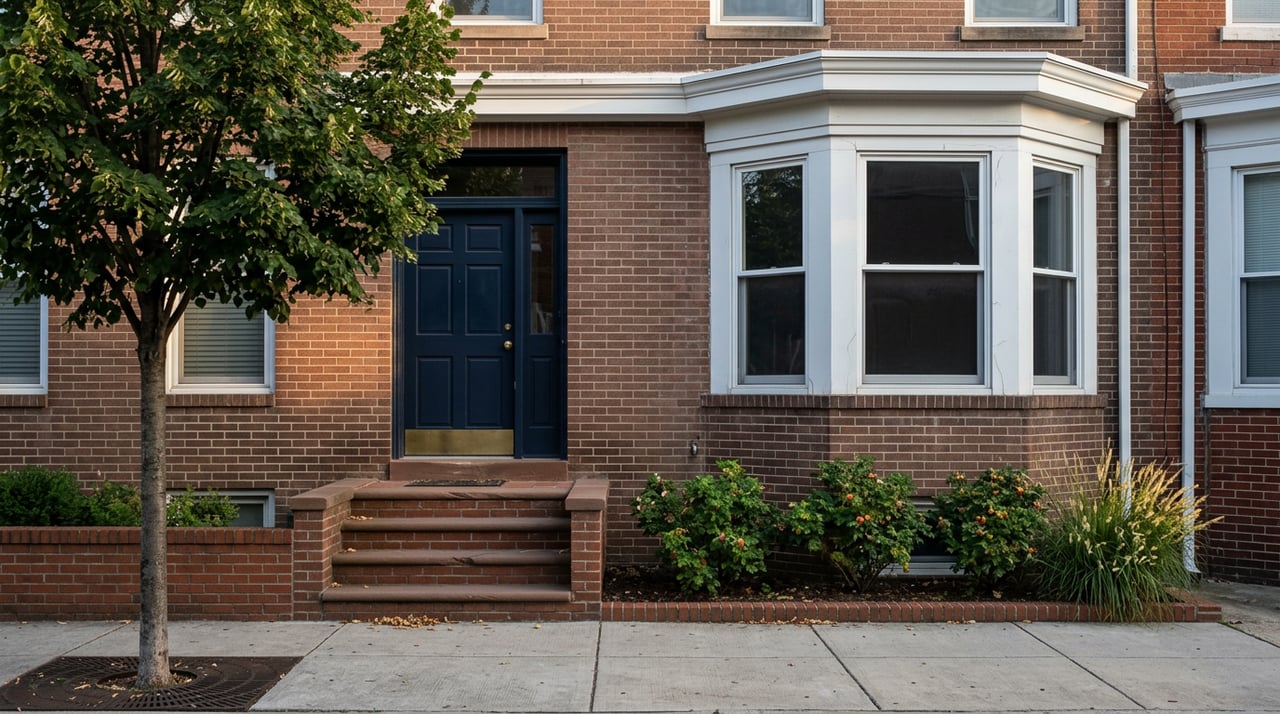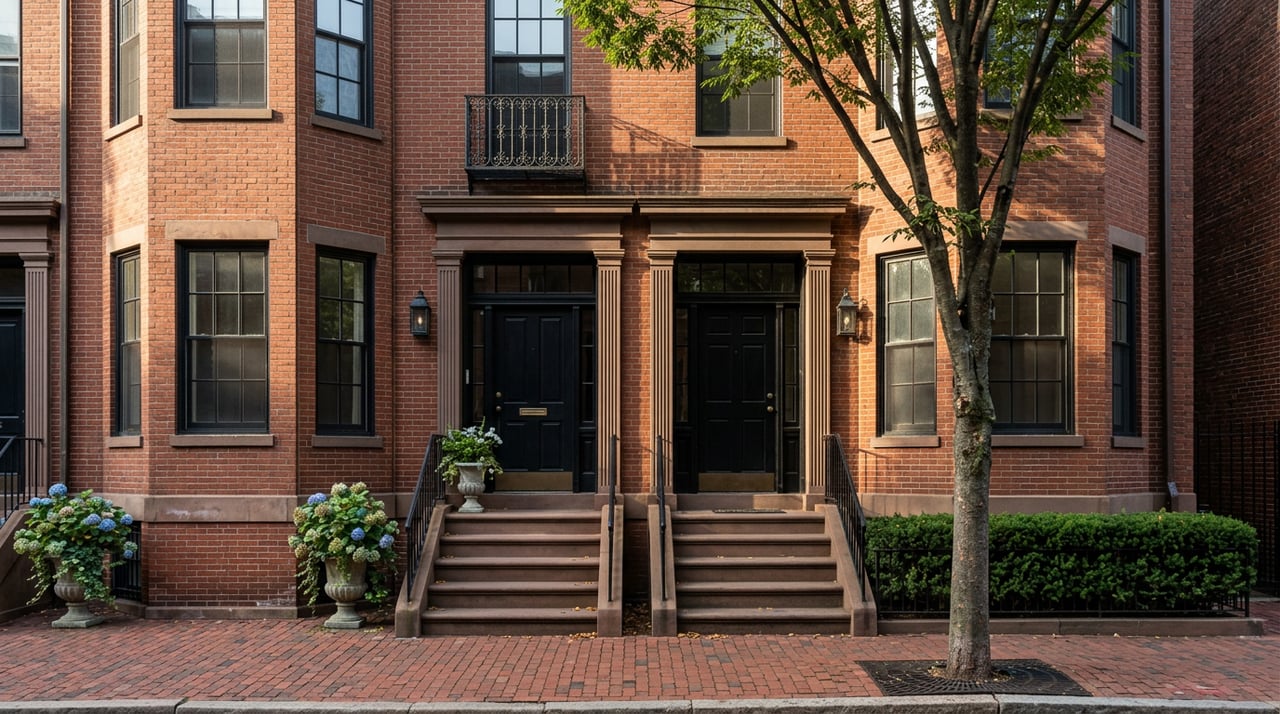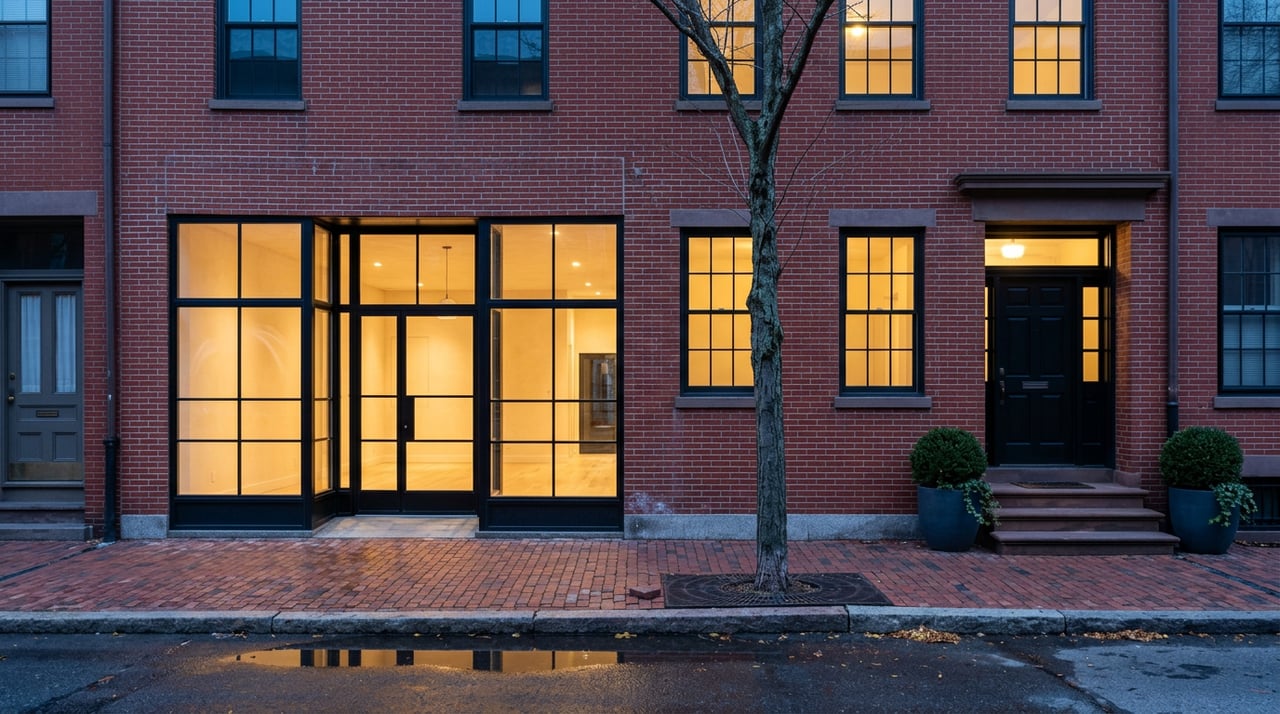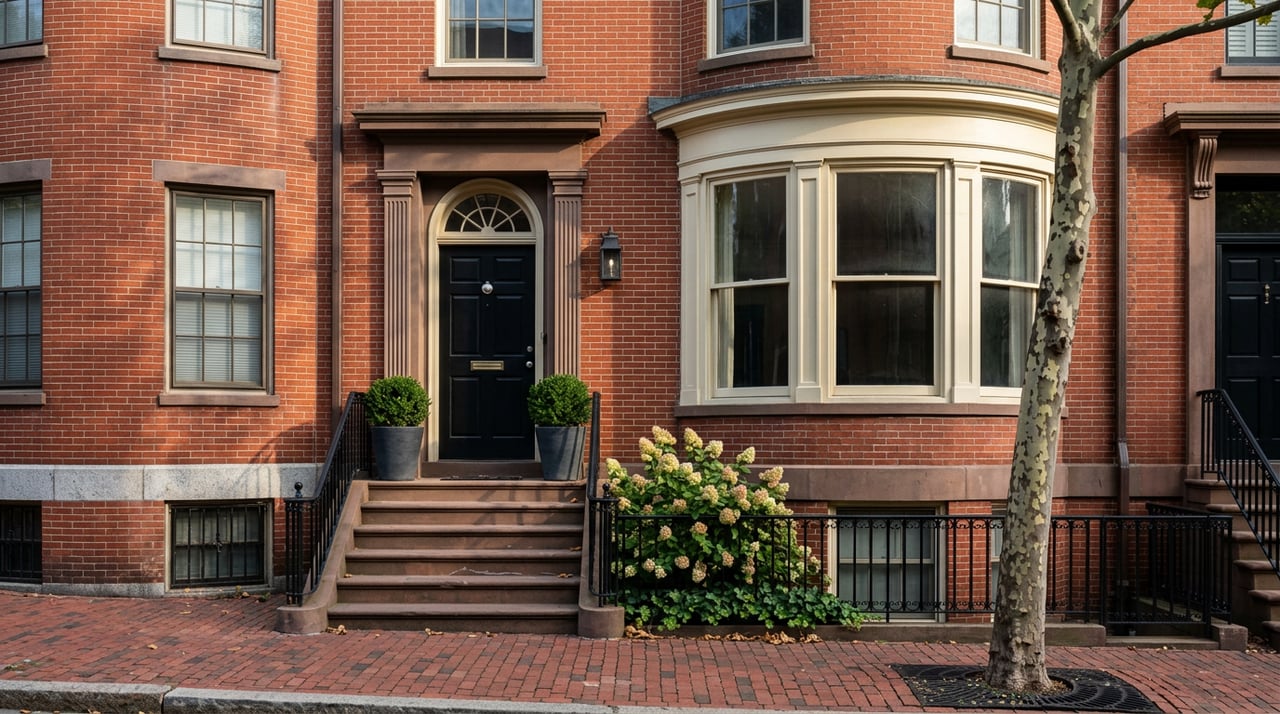
If you own a Beacon Hill townhouse, privacy can feel just as important as price. In a neighborhood known for historic brick row houses, narrow streets, and high public visibility, even a small listing move can attract attention quickly. The good news is that you do have options if you want to sell more discreetly, but the right strategy depends on how much exposure you are willing to trade for privacy. Let’s dive in.
Why discretion matters in Beacon Hill
Beacon Hill is one of Boston’s oldest neighborhoods and a protected historic district. According to the City of Boston’s Beacon Hill neighborhood overview, the area is about one square mile, which means listings can become highly visible fast.
That visibility affects more than curb appeal. If you are a private owner, a public-facing sale may invite attention from neighbors, passersby, or casual online browsers before you are ready. For some sellers, that alone is reason enough to explore a quieter path.
Market conditions can also shape the decision. Realtor.com neighborhood data for Beacon Hill reported a January 2026 median home sale price of $3,972,500, median days on market of 83, and average sale prices about 3.67% below asking. That data covers multiple property types, so it is best used as broad context, but it does suggest why some sellers may want to control early exposure before a full launch.
Your main quiet-sale options
If you want to sell discreetly, the question is not simply whether to go on or off market. The real question is how much buyer reach you want, when you want it, and how carefully you want to control visibility.
Office exclusive for maximum privacy
An office exclusive is the most private route. Under MLS PIN rules, a seller who does not want the property entered into the MLS can sign a Non-MLS Listing Form, which allows the property to remain outside the system if the broker files the form on time.
This approach can make sense if you want to avoid broad public exposure, limit who knows the property is available, or quietly explore serious buyer interest first. It is often the closest match for sellers who value confidentiality above all else.
The tradeoff is reach. When your townhouse is not widely distributed, fewer buyers will see it, which can affect price discovery and competition.
Coming Soon for controlled testing
If you want a short pre-market period with more structure, MLS PIN’s Coming Soon status can be useful. Under the same MLS PIN rules, the seller signs a Coming Soon Listing Form, showings are deferred, the property is treated as off market during that period, and the maximum length is 21 days.
This can work well if you want to prepare for a launch, build interest, or test messaging without opening the door to immediate showings. It is more visible than an office exclusive, but it still gives you a controlled runway.
The key limitation is time. Coming Soon is not an open-ended private strategy. It is a short pre-launch phase with a clear cap.
Delayed listing for a timed debut
A delayed listing is different from a quiet off-market sale. With MLS PIN’s Delayed Listing Form, the broker can delay filing to a set future date or a date still to be determined, as long as the seller signs the form and it is filed by the deadline.
This option makes sense if you know you want a public launch, but not yet. For example, you may need time to finish interior preparation, coordinate schedules, or align the sale with another move.
Compared with an office exclusive, this route is more about timing than secrecy. It helps you hold the launch back, but it is not the same as staying fully outside public marketing.
Full MLS launch for broadest reach
A full MLS debut offers the widest buyer exposure. For many sellers, that broad reach supports stronger price discovery by putting the property in front of the largest pool of qualified buyers.
If your top goal is maximizing competition, this may still be the strongest route. The tradeoff, of course, is that it is the least private path.
What public marketing can trigger
This is where many privacy-sensitive sales get complicated. Under NAR’s Clear Cooperation Policy, once a property is publicly marketed, it must be submitted to the MLS within one business day.
Public marketing includes more than you might expect. The policy specifically includes signs, public websites, email blasts, and multi-brokerage listing-sharing networks.
In practice, that means you cannot casually “test the waters” in public and still remain quietly off market. In Beacon Hill, even a small promotional step can start the MLS clock.
How to balance privacy and price
For most Beacon Hill townhouse owners, the real decision is a tradeoff between privacy and price discovery. The more tightly you control exposure, the more private the process may feel. At the same time, a smaller audience can reduce the chance of multiple interested buyers.
A useful way to think about it is this:
- Office exclusive gives you the highest level of privacy
- Coming Soon gives you a short, structured pre-market window
- Delayed listing gives you timing control before launch
- Full MLS gives you the broadest reach and strongest exposure
The best answer depends on your goals. If discretion is the top priority, an office exclusive may be the right fit. If you want to protect privacy while still planning for a broader rollout, a staged launch may be the stronger strategy.
Historic district rules matter too
Beacon Hill sellers also have a neighborhood-specific issue that many other sellers do not face. If you are planning exterior work before listing, you need to understand historic district oversight.
The City of Boston’s Historic Beacon Hill District guidance states that the Beacon Hill Architectural Commission reviews exterior alterations visible from a public way. The city also says work should not begin before approval, and the broader neighborhood guidance notes that unapproved work can carry fines of up to $1,000 per day.
That matters if you are thinking about façade repairs, window changes, or other exterior updates before bringing the townhouse to market. In many cases, it is wise to separate sale preparation from historic exterior alterations and review those plans early.
Privacy details for photos and listing content
Discreet selling is not only about where the property appears. It is also about what information appears publicly.
According to MLS PIN guidance, personal or contact information may appear only in Firm Remarks or Special Showing Instructions. The rules also allow a seller to omit a property photo if a signed notice is filed within five business days.
That can be helpful if you want to limit visual exposure online. When photos are used, MLS PIN says they should be objective and non-branded, which supports a cleaner, more compliant presentation.
Occupied townhouses need a tighter plan
If your Beacon Hill townhouse is occupied, discretion becomes even more operational. Showings, access, timing, and privacy all need to be coordinated carefully.
For tenant-occupied property, Massachusetts guidance on landlord rights and responsibilities says landlords may enter for repairs, inspections, or showings, but they must coordinate entry to arrange a mutually convenient time. That makes notice windows, showing blocks, and lease terms important parts of the sales strategy.
Even if the home is owner-occupied rather than tenant-occupied, the same principle applies. A quiet sale works best when access is disciplined, schedules are predictable, and everyone involved understands the plan.
Disclosures still apply in a discreet sale
A private sale is not a shortcut around compliance. Massachusetts still requires certain disclosures, and those obligations do not disappear because the sale is quieter.
The state’s property transfer lead paint notification rules require lead-paint notification for homes built before 1978. Massachusetts also states that most residential sellers who are not in the business of selling homes have no affirmative disclosure requirement except lead paint.
The state has also announced a home-inspection disclosure policy effective for sales after October 15, 2025, confirming that buyers may choose not to inspect but that choice cannot be pressured by the seller or agent. In other words, a discreet process still needs a clean and compliant paper trail.
What a smart Beacon Hill strategy looks like
A well-run discreet sale usually starts with a simple question: what are you trying to protect most? For some owners, it is privacy. For others, it is timing, household routine, tenant stability, or the ability to test pricing without a wide public launch.
From there, the strategy should match the goal. In Beacon Hill, that often means choosing the right channel, controlling what becomes public, coordinating access carefully, and addressing any historic-district issues before they disrupt the timeline.
That is where senior, neighborhood-specific guidance matters. In a tightly watched historic district, the difference between a smooth quiet sale and a messy one often comes down to planning, compliance, and disciplined execution.
If you are considering a discreet sale in Beacon Hill, The Whaley | Ring Team can help you evaluate whether an office exclusive, a staged pre-market approach, or a full launch best fits your goals. Their senior-led, boutique process is built to protect privacy while giving you clear advice on timing, exposure, and next steps.
FAQs
How can you discreetly sell a Beacon Hill townhouse?
- You can consider an office exclusive, a Coming Soon period, a delayed listing, or a full MLS launch, depending on how much privacy and exposure you want.
How long can a Beacon Hill home stay off market?
- An office exclusive can remain outside public marketing, while MLS PIN’s Coming Soon status is capped at 21 days and delayed listing is a timing tool before launch.
Can you test pricing for a Beacon Hill townhouse without public exposure?
- Yes, but only through non-public, seller-approved channels because public marketing can trigger MLS submission within one business day under Clear Cooperation rules.
What historic district rules affect a Beacon Hill townhouse sale?
- Exterior work visible from a public way may require Beacon Hill Architectural Commission review, and the city says work should not begin before approval.
What should you know about selling an occupied Beacon Hill townhouse?
- If the property is tenant-occupied, Massachusetts says showings and other entry should be coordinated for a mutually convenient time, so scheduling and notice procedures matter.
What disclosures apply when selling a Beacon Hill townhouse quietly?
- Massachusetts still requires lead-paint notification for homes built before 1978, and home-inspection rules still apply even if the sale is handled discreetly.