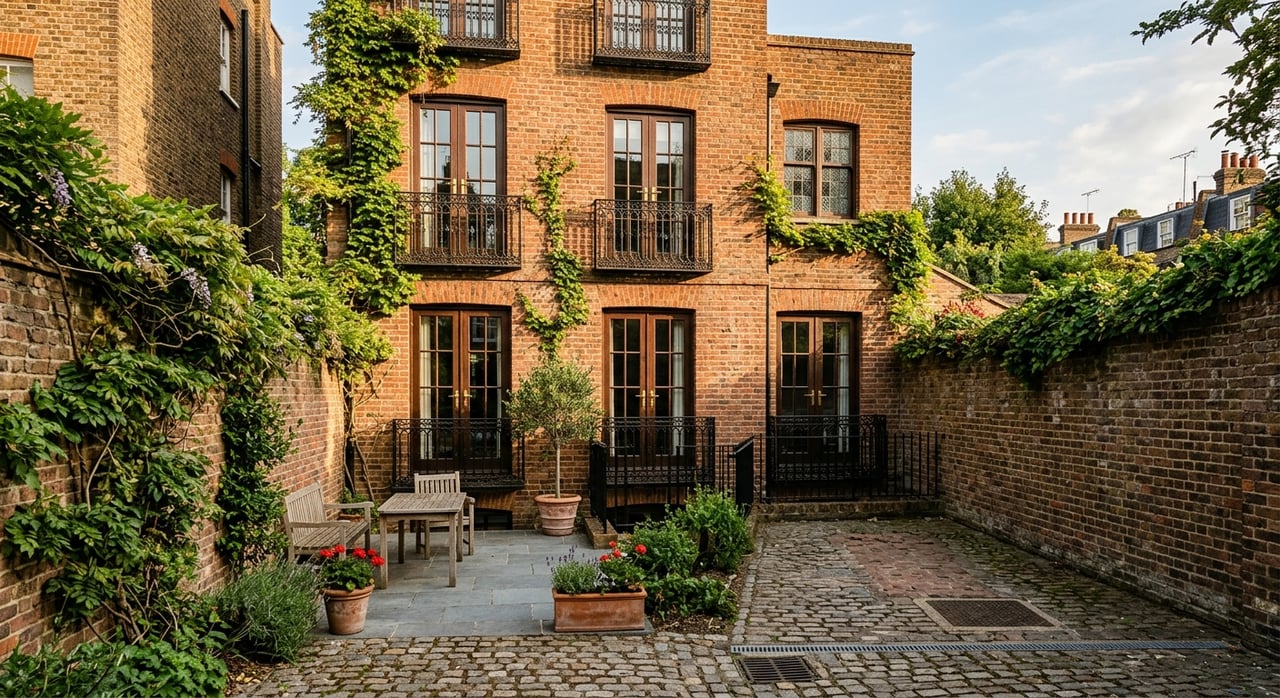
If you price a Back Bay brownstone like a generic Boston townhouse, you can miss the market before buyers ever walk through the door. In Back Bay, demand is real, but it is highly selective and shaped by block, width, historic character, parking, and outdoor space. If you want maximum demand, you need more than a hopeful number. You need a strategy grounded in how this neighborhood actually trades. Let’s dive in.
Why pricing matters so much in Back Bay
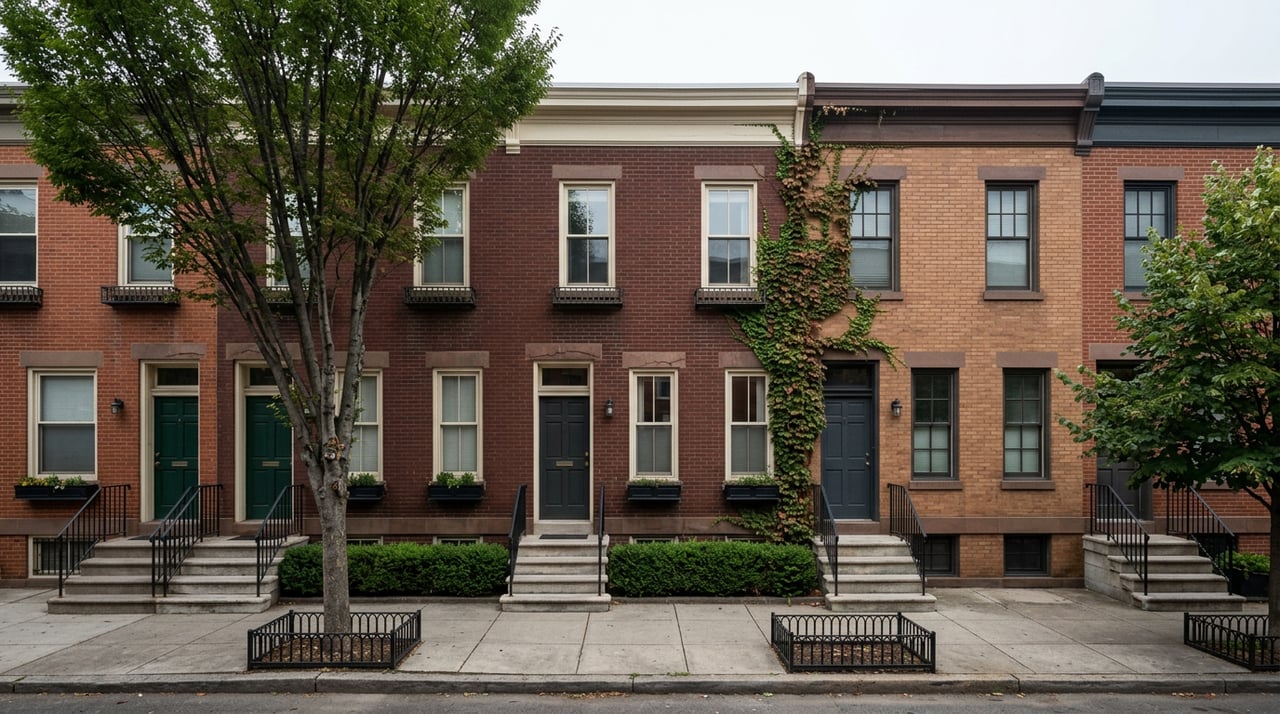
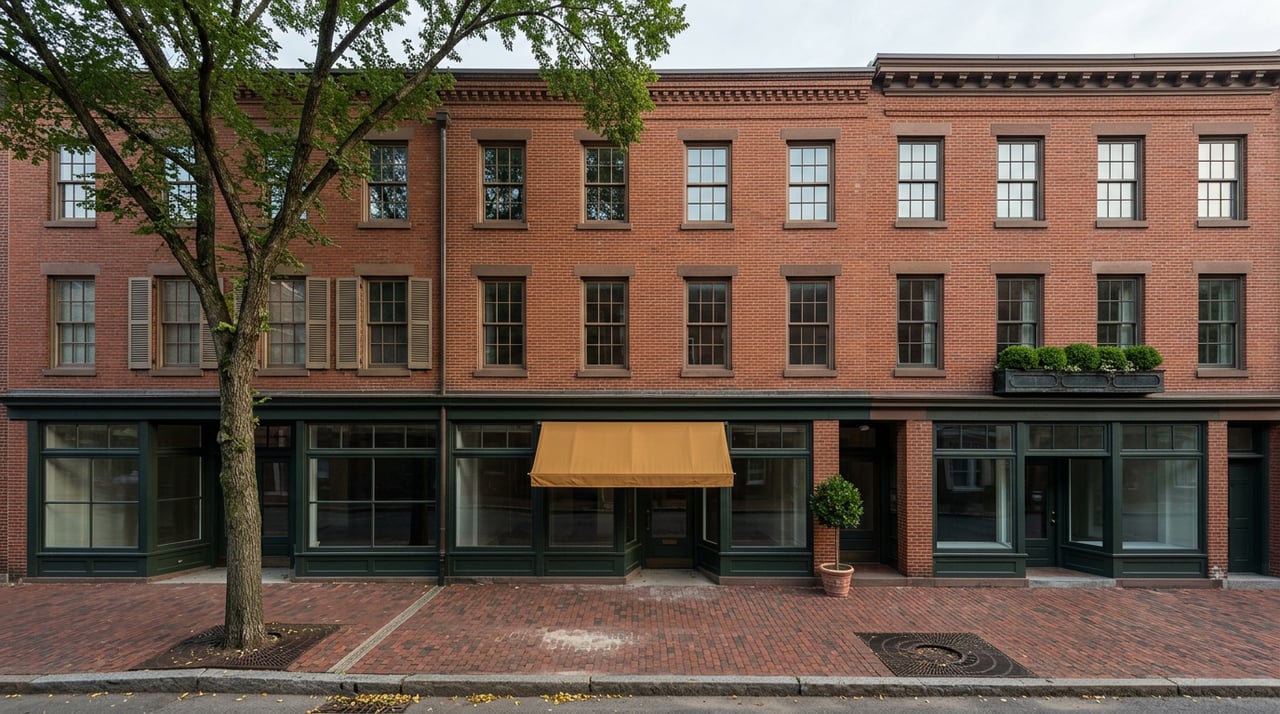
Back Bay is one of Boston’s most recognized historic districts, with a built form and streetscape that continue to drive buyer interest. Its walkability, density, and amenity base support steady demand for distinctive homes, especially brownstones with strong architectural presence.
At the same time, this is not a market where any well-located property will sell instantly at any price. Recent market data points to a balanced to somewhat competitive environment, with homes selling at about 96% of list price and a median marketing time around 41 days. Redfin reports a similar pace, with homes averaging about 44 days to sell and often closing around 4% below list.
That combination matters. It means buyers are engaged, but they are also disciplined. An opening price that feels stretched can slow momentum quickly.
Back Bay is not one pricing bucket
One of the biggest mistakes sellers make is relying on neighborhood-wide averages. In Back Bay, those numbers are too broad to price a brownstone well.
Submarkets within the neighborhood perform differently. Realtor.com reports a median listing price of $2.674 million in Back Bay East versus $1.68 million in Back Bay West. Redfin also shows different conditions in Back Bay West, including a lower median sale price and longer days on market.
For a brownstone, the closer question is not “What is Back Bay doing?” It is “What are homes like mine doing on my block, in my subarea, with my mix of features?” That is where credible pricing starts.
What buyers pay for in a Back Bay brownstone
The strongest pricing strategies reflect what buyers in this niche actually value. In Back Bay, that usually comes down to a very specific mix of scale, authenticity, and livability.
Width often matters more than square footage
A brownstone’s width can have an outsized impact on value. Historic Beacon Street records show lot frontages ranging from about 20 feet to 40 feet, and recent marquee sales were marketed specifically as extra-wide or as having an exceptionally wide floor plate.
That is not just marketing language. Greater width can create better room proportions, more flexible layouts, stronger natural light patterns, and a more gracious overall feel. Two homes with similar square footage can command very different prices if one simply lives better.
Historic detail still carries real weight
Back Bay buyers often want preserved period character, not a home stripped of identity. Features like bay windows, fireplaces, stained glass, ornate millwork, and high ceilings continue to show up in standout listings and sales.
In the luxury segment, the market tends to reward homes that balance original detail with modern function. A renovated kitchen, updated systems, and an elevator may strengthen value, but they tend to work best when the home still feels true to its architectural roots.
Parking and private outdoor space punch above their weight
Scarce amenities often shape pricing power. In Back Bay, parking and usable private outdoor space are two of the clearest examples.
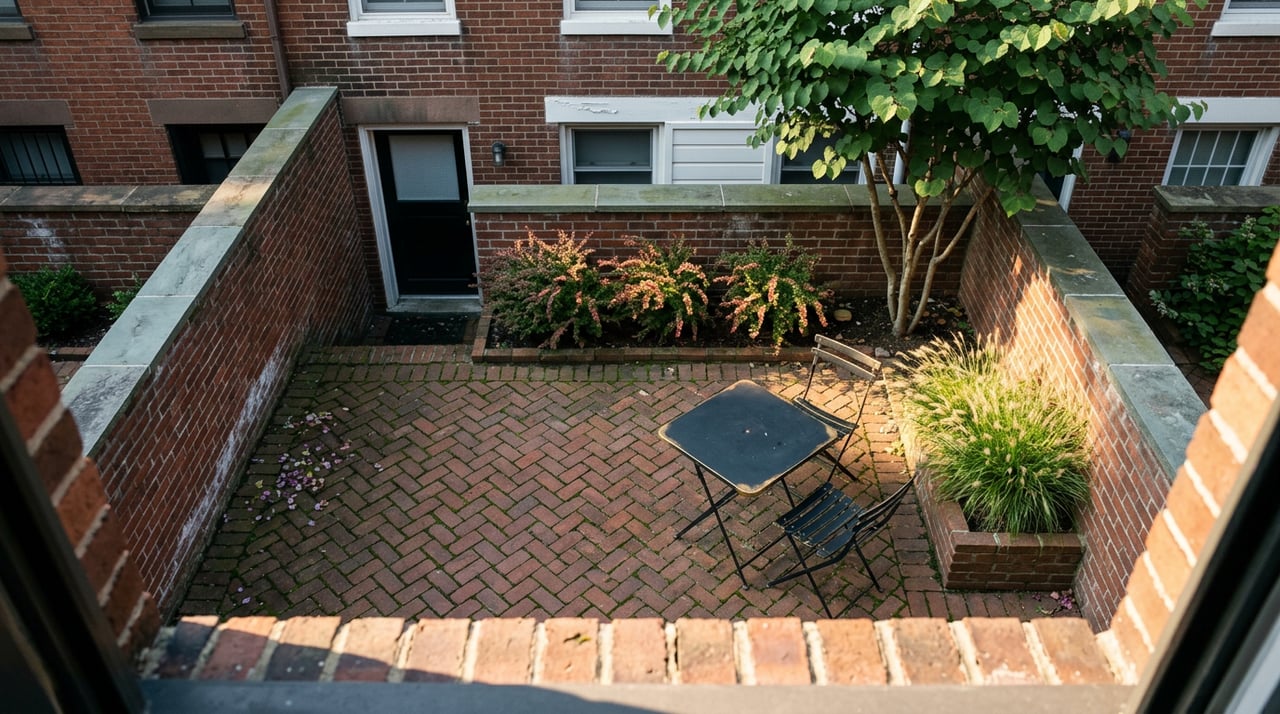
Recent listings and sales repeatedly highlight garage parking, outdoor parking, terraces, enclosed patios, private gardens, and private backyards. Buyers appear to value not just the existence of outdoor space, but whether it is truly usable, private, and buffered from surrounding noise and adjacency.
Historic district rules affect value and prep
Back Bay’s historic character is not just visual. It is part of the property’s market identity and regulatory framework.
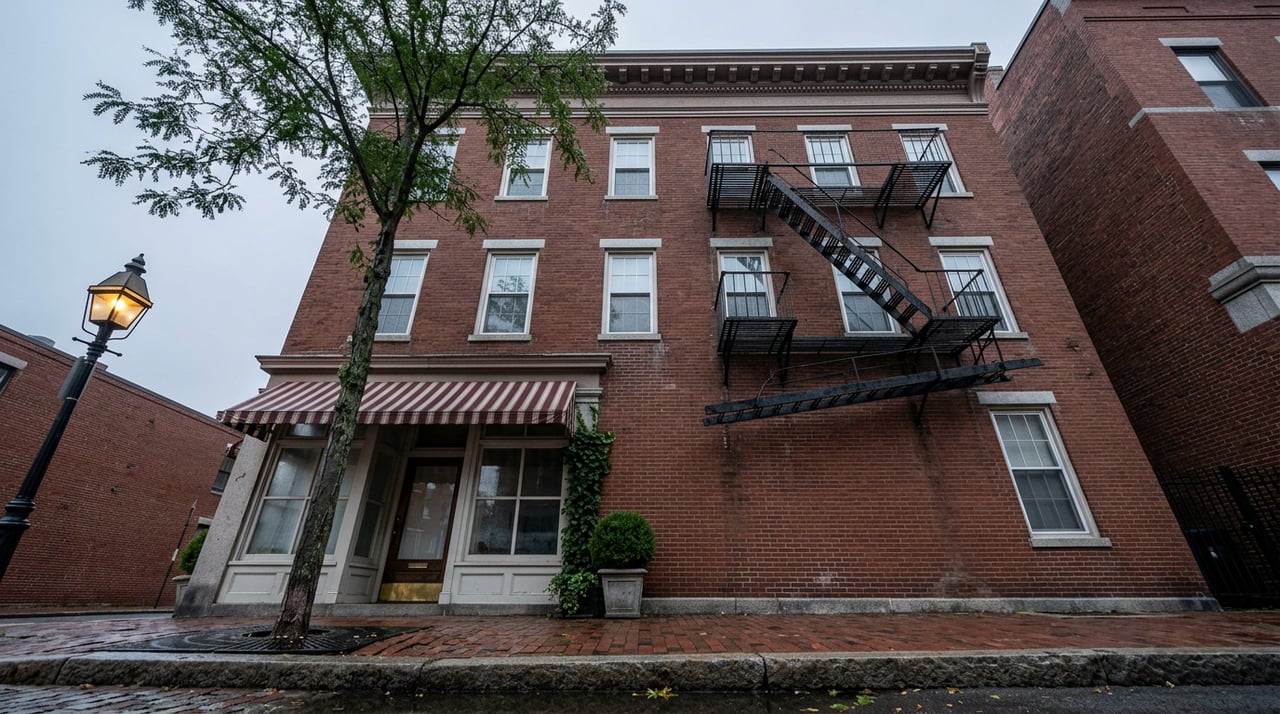
The Back Bay Architectural Commission reviews exterior work before it begins and expects historic materials to be maintained rather than casually replaced. The City of Boston’s guidance also emphasizes preserving primary facades, cornices, setbacks, and the overall rhythm of the streetscape.
That has direct pricing implications. If you are considering exterior improvements before listing, approval should come first. The city explicitly says not to begin work or purchase materials until approval is in hand.
Smart pre-listing work is usually restrained
For most sellers, the most effective pre-listing preparation is not a dramatic exterior overhaul. It is careful maintenance, polished presentation, and repairs that support the home’s historic integrity.
In a district like Back Bay, buyers often respond best when a property feels well-kept, authentic, and ready to enjoy. Overreaching on changes, especially visible exterior changes, can create delay, added cost, or both.
What recent sales tell you about pricing discipline
Back Bay’s recent sales show that premium results are possible, but not automatic. The difference often comes down to whether the asking price matches the asset and the market.
At the top of the market, 125 Commonwealth Avenue sold for $13.35 million in October 2025. It was presented as an extra-wide townhome on the Commonwealth Mall with elevator access, garage and outdoor parking, two walk-out terraces, an enclosed patio, and original gilded-age detail.
Another major sale, 269 Commonwealth Avenue, closed at $10.28 million in July 2025. It offered more than 8,500 square feet, an exceptionally wide floor plate, original architectural details, and three full outdoor parking spaces.
At the same time, smaller properties can also earn a premium when the feature set is compelling. Redfin reports that 457 Beacon Street #5 sold for $1.215 million in December 2025, with a private backyard, transferable parking, and a carefully updated duplex layout helping support that result.
Overpricing can cost you leverage
Not every luxury property gains traction right away. Redfin reports that 288 Commonwealth Avenue #3 sold for $9.75 million after 151 days on market and at 5% below list.
That example is useful because it shows what can happen when the opening price overshoots buyer expectations. In a balanced market, time on market can weaken negotiating position and reduce the urgency that often drives best-in-class offers.
How to price for maximum demand
Maximum demand does not mean pricing low for the sake of speed. It means pricing at a level that feels credible enough to pull in the full buyer pool early, when attention is strongest.
In Back Bay, that often means resisting the urge to stretch for a thin premium just because the home is special. Distinctive homes do deserve thoughtful valuation, but credibility matters more than optimism.
Build the comp set the right way
The most useful comparable sales are not simply the highest numbers in the neighborhood. They are the properties most similar to yours in the ways that matter most here.
For a Back Bay brownstone, that usually means comparing:
- The closest possible block or subarea
- Similar width and floor plate
- Similar parking count
- Similar outdoor-use package
- Similar level of historic detail and renovation
- Similar property type and scale
A townhouse on Commonwealth with parking and terraces does not compete the same way as a narrower home on a different block without outdoor space. Precision matters.
Price for early credibility
In a market where homes are taking roughly 41 to 44 days to sell and often closing below list, the first pricing decision does a lot of work. It shapes showing traffic, buyer confidence, and negotiating leverage.
A well-priced brownstone can still attract near-list or even over-list interest if the launch feels aligned with current demand and true alternatives. But that usually happens because the home enters the market with credibility, not because buyers are ignoring value.
A practical seller checklist
If you are preparing to sell a Back Bay brownstone, focus on the factors that most affect perception and demand:
- Confirm your true competitive set by block and submarket
- Evaluate width, layout, and how the home lives day to day
- Highlight preserved period details and meaningful updates
- Document parking and describe outdoor space clearly
- Review any planned exterior work for BBAC approval first
- Prioritize maintenance, staging, and presentation over risky cosmetic changes
- Launch at a price that invites immediate engagement
Why a tailored strategy wins here
Back Bay rewards nuance. It is a historic district with strong demand, but it is also a market where buyers compare carefully and notice the difference between rare and merely expensive.
The best pricing strategy brings together architecture, location, scarcity, and timing. When your brownstone is positioned with discipline and presented with clarity, you give buyers a reason to act before the listing goes stale.
If you are weighing when and how to bring a Back Bay brownstone to market, The Whaley | Ring Team offers senior-led guidance, bespoke presentation, and a data-driven pricing approach designed to maximize demand.
FAQs
How should you price a Back Bay brownstone in today’s market?
- You should price it using recent comparable properties by block, width, parking, outdoor space, and condition, rather than relying on broad neighborhood averages.
Why does width matter when pricing a Back Bay brownstone?
- Width can affect room proportions, layout flexibility, and overall livability, which is why extra-wide homes often command stronger pricing than square footage alone would suggest.
What features add the most value to a Back Bay brownstone?
- Buyers often respond most strongly to a combination of preserved period detail, modern functionality, parking, and private usable outdoor space.
Do historic district rules affect selling a Back Bay brownstone?
- Yes. Exterior changes are reviewed by the Back Bay Architectural Commission, so sellers should secure approval before starting exterior work or purchasing materials.
Can overpricing a Back Bay brownstone hurt the final sale?
- Yes. Recent sales show that an aggressive opening price can extend days on market and lead to price reductions or a lower final sale price.