If you are selling a luxury home in Back Bay, a generic listing plan is rarely enough. This market rewards precision, preparation, and presentation, and it can punish a launch that misses the mark on pricing or timing. In this guide, you’ll learn how to position your property thoughtfully, avoid common pre-listing delays, and build a strategy designed for a stronger net result. Let’s dive in.
Why Back Bay Requires a Different Selling Strategy
Back Bay is one of Boston’s highest-value residential markets, but it is not a market where broad averages tell the full story. Over the three months ending April 2026, the median sale price in Back Bay was $1,509,439, with median days on market at 51 and a 96.5% sale-to-list ratio. During that same period, 15.3% of homes sold above list price, while 22.3% had price drops.
That mix matters. It tells you that buyers are active, but they are also selective. In a neighborhood where architecture, condition, building reputation, layout, and finish level vary widely, your home needs a property-specific strategy rather than a one-size-fits-all approach.
Back Bay also sits well above Boston’s overall median sale price of $849,461. That price gap makes luxury presentation and micro-market analysis even more important, because buyers in this range tend to compare quality closely and negotiate carefully.
Start With Property-Specific Positioning
Use micro-comps, not neighborhood averages
In Back Bay, two homes on the same street can tell very different pricing stories. Recent sales show that one property at 397 Commonwealth Ave sold for $13.65 million, or 9% under list, after 291 days on market. By contrast, 311 Commonwealth Ave #61 sold 6% over list in just 23 days.
That spread is a strong reminder that your pricing cannot rely on a neighborhood median alone. You need a narrow set of comparable sales that reflect your home’s scale, condition, building profile, outdoor space, parking, floor plan, and level of renovation. Price per square foot can help, but it should only be the starting point.
Redfin reports Back Bay at about $1.45K per square foot, yet recent outcomes show that layout and presentation can matter just as much as size. In practice, your best pricing strategy compares your home against similarly positioned Back Bay and adjacent luxury properties, not citywide averages.
Match the strategy to the property type
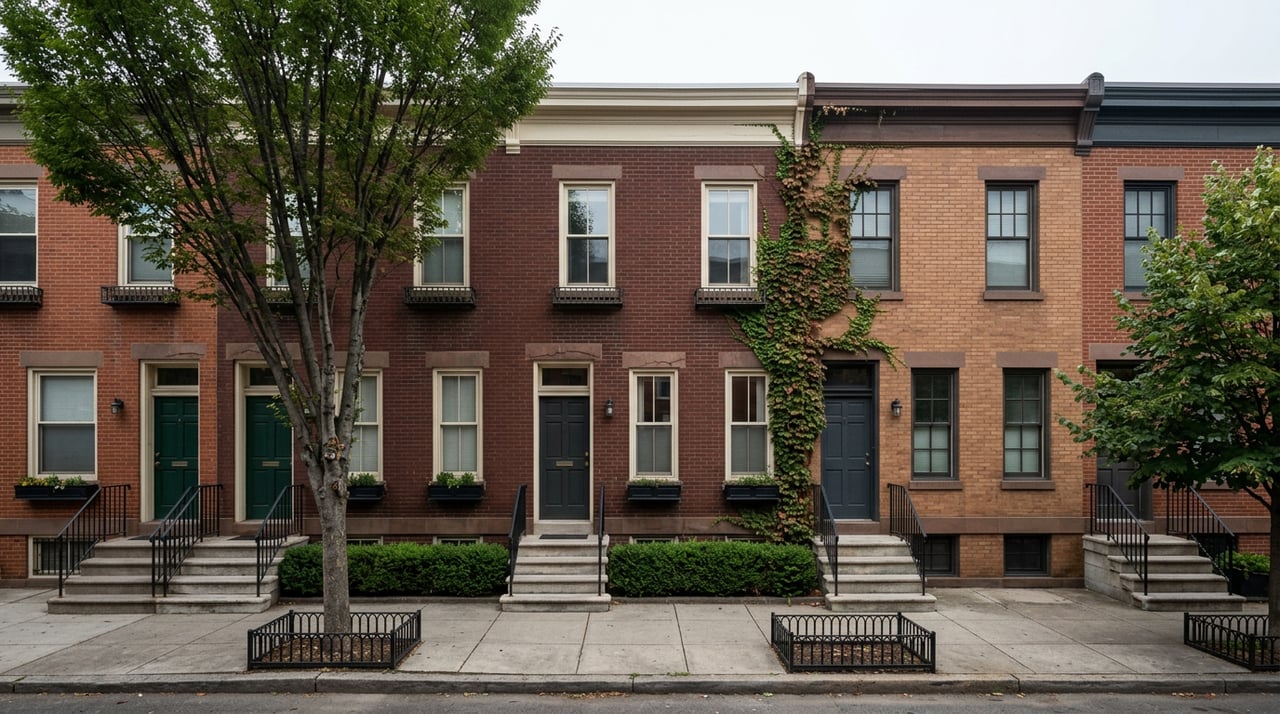
A Back Bay townhouse and a Back Bay condominium often need different preparation plans. For townhouses, exterior condition and architectural consistency can affect buyer perception before a buyer even steps inside. For condos, buyers often focus just as closely on the building, association documents, and approval process as they do on the unit itself.
That means your sale strategy should be shaped around what buyers will evaluate first and what could slow the transaction later. The more complete your file and positioning are before launch, the easier it is to keep momentum once interest builds.
Handle Pre-Listing Issues Early
Review historic district requirements
Back Bay operates within a historic-district review framework. According to the City of Boston, the Back Bay Architectural District Commission meets on the second Wednesday of each month to review exterior design changes and alterations, with guidelines focused on preserving visible character, scale, windows, masonry, doors, and mechanical equipment.
If you own a townhouse or any property where exterior work is relevant, this should be part of your planning before listing. Exterior repairs, window replacement, masonry work, lighting changes, or visible equipment updates should not be treated as last-minute cosmetic decisions. If a buyer sees unresolved exterior concerns, it can affect confidence, timing, and price.
Assemble condo documents in advance
If you are selling a condominium, document preparation is more than a clerical task. Massachusetts notes that condominium ownership is governed through the master deed, deed, by-laws, and Chapter 183A, and some condominium documents may also include a right of first refusal.
For sellers, that means it is smart to assemble the association package early and have any needed approvals and legal review queued up before the listing goes live. In luxury transactions, delays often come from preventable document gaps rather than lack of demand.
Prepare lead paint paperwork if required
Many Back Bay properties were built before 1978. For those homes, Massachusetts and federal law require Property Transfer Lead Paint Notification.
This is one more reason to create a complete pre-listing file before your first showing. Taking care of required paperwork early helps your transaction run more smoothly once a serious buyer steps forward.
Invest in Presentation Before You Launch
Staging can influence both pace and value
Luxury buyers expect a polished first impression, especially in a market where they begin their search online and compare homes side by side. National Association of Realtors data from 2025 found that 83% of buyers’ agents said staging made it easier for buyers to visualize the home. The same report found that 29% of agents saw a staged home receive a 1% to 10% boost in offered value, and 49% of sellers’ agents observed faster sales.
The living room stood out as the most important room to stage, according to 37% of buyers’ agents. In Back Bay, that makes sense. Formal entertaining spaces, natural light, ceiling height, original detail, and room flow often shape a luxury buyer’s emotional response very quickly.
Make the digital first impression count
Buyers now discover and evaluate homes digitally before deciding whether to schedule a showing. NAR’s 2024 profile found that 43% of buyers first looked online, 51% ultimately found the home online, and 69% used mobile or tablet devices. Buyers also rated photos, detailed property information, and floor plans as especially useful.
That means your launch needs more than attractive images. It needs professional photography, strong listing copy, a clear floor plan story, and a complete presentation that helps buyers understand how the home lives. For a high-value Back Bay listing, that kind of media package is not a bonus. It is part of the pricing strategy.
Build a Strong Launch Plan
Combine broad exposure with targeted outreach
A polished launch usually works best when it combines MLS-driven distribution, strong digital presentation, and in-person access. Open houses were considered very useful by 23% of buyers in NAR’s 2024 profile, which suggests that showing strategy still matters alongside online marketing.
For some sellers, discretion is also part of the equation. A short broker-to-broker preview can be useful for testing response or reaching targeted buyers, but it should generally be time-limited. Most buyers still begin online, so broad visibility remains important if your goal is maximum market response.
Avoid an overly optimistic launch
In Back Bay, an ambitious list price can cost you more than time. With 22.3% of homes seeing price drops and examples of significant under-list closings after long market times, buyers may interpret a stale listing as a signal that something is off.
A disciplined launch aims to capture attention early, when your home feels fresh and buyers are most engaged. That usually means entering the market with a well-supported price, complete preparation, and a full presentation package from day one.
Negotiate for the Best Net Outcome
Look beyond the highest offer price
A strong offer is not just about the number at the top of the page. In the luxury segment, you also need to weigh financing certainty, contingency scope, timeline, and the buyer’s overall ability to close cleanly.
NAR data shows that 88% of buyers purchased through an agent or broker, 10-week search cycles remained typical, and 30% of repeat buyers paid cash in the 2025 profile. For sellers, that means serious buyers may come with very different structures, and a lower-risk offer can sometimes produce a better final result than a higher but shakier one.
Factor in Massachusetts seller costs
Your list-to-sale outcome should always be measured against your net proceeds. In Massachusetts, the deeds excise is imposed at $2.28 per $500 of consideration, which is about $4.56 per $1,000, and it is paid by the person who signs the deed.
Separate withholding rules may also apply to nonresident sellers or entities on sales of Massachusetts real estate of $1 million or more. Building these costs into your net sheet early helps you evaluate offers with clearer expectations.
A Practical Sequence for Selling Well
When you put the data together, the strongest strategy for selling a Back Bay luxury home is usually a sequence, not a single decision. It starts with cleaning up the issues that could slow the transaction, then moves into pricing, presentation, exposure, and negotiation.
A practical path often looks like this:
- Review any historic-district concerns tied to visible exterior work.
- Assemble condo documents, approvals, and counsel review early if applicable.
- Prepare required lead paint paperwork for pre-1978 properties.
- Build a narrow, property-specific comp set.
- Stage and present the home for both digital and in-person impact.
- Launch with complete media and a clear pricing rationale.
- Evaluate offers based on net outcome, certainty, and timing.
That kind of process is especially important in a neighborhood like Back Bay, where quality differences are magnified and buyer expectations are high. Sellers who prepare thoroughly are often in the best position to protect value and maintain leverage.
If you are considering selling a Back Bay townhouse, condominium, or penthouse, a senior-led strategy can make the process more focused and less reactive. For confidential guidance on pricing, presentation, and launch planning, contact The Whaley | Ring Team.
FAQs
What is the current market like for selling a luxury home in Back Bay?
- Back Bay is a high-value, somewhat competitive market with a median sale price of $1,509,439, median days on market of 51, and a 96.5% sale-to-list ratio over the three months ending April 2026.
Why is pricing a Back Bay luxury home so property-specific?
- Recent sales show a wide range of outcomes, which means factors like condition, layout, building reputation, and presentation can affect value just as much as size or address.
Do Back Bay townhouse sellers need to consider historic district rules?
- Yes. Exterior changes and visible alterations may fall under the Back Bay Architectural District Commission review process, so those issues should be checked before listing.
What documents should Back Bay condo sellers prepare before listing?
- Condo sellers should assemble association documents such as the master deed, by-laws, deed, and any relevant approvals early, since missing paperwork can delay a transaction.
Does lead paint paperwork matter when selling an older Back Bay home?
- Yes. For properties built before 1978, Property Transfer Lead Paint Notification is required and should be addressed before showings begin.
What matters most when reviewing offers on a Back Bay luxury property?
- You should weigh not only price, but also financing strength, contingencies, timeline, and overall certainty of closing to determine the best net outcome.