Thinking about buying on Beacon Hill? Few Boston purchases are as charming, or as layered, as a historic home in this neighborhood. If you love brick rowhouses, period detail, and true architectural character, you should also know that preservation rules, older building systems, and condo governance can shape your experience as much as the property itself. This guide will help you understand what to review before you buy and how to plan with confidence. Let’s dive in.
Why Beacon Hill buying is different
Beacon Hill is one of Boston’s most heavily regulated historic residential areas. The Historic Beacon Hill District was established in 1955 and expanded several times, most recently in 2024, and Boston’s Landmarks Commission identifies it as a protected historic district.
For you as a buyer, that means a home here often comes with two things at once: lasting architectural appeal and meaningful ownership responsibilities. The same features that make Beacon Hill special can also affect renovation options, approval timelines, and maintenance planning.
Boston also notes that development in the area began with the Massachusetts State House, completed in 1798. The district includes Federal- and Greek Revival-style homes, later apartment buildings, and early adaptive reuse properties such as converted stables and carriage houses.
That long history matters. Many homes may offer original character, but they can also reflect older construction, layered updates over time, and layouts that feel less flexible than newer condos elsewhere in Boston.
Confirm the property’s district status
Before you assume historic district rules apply, confirm whether the exact address falls within the Historic Beacon Hill District boundary. Boston specifically directs buyers and owners to review the district survey and map for that reason.
This is an early step worth taking seriously. If the home sits inside the district, future exterior work may be subject to review even if a project seems modest.
Know how exterior changes are reviewed
The Beacon Hill Architectural Commission, often called BHAC, reviews proposed exterior alterations. It meets on the third Thursday of each month.
The key standard is visibility from a public way. Exterior work that can be seen from places such as the Boston Common, Public Garden, Storrow Drive, the Charles River Esplanade, and the Longfellow Bridge can fall under review.
Boston’s process guidance is clear. Owners should review standards early, submit complete applications, and avoid starting work or purchasing materials until the Commission has approved the project.
Once approved work begins, the approval placard must be displayed near the building permit for the duration of construction. For a buyer, that means renovation timing should be planned carefully from the start.
Review the biggest exterior restrictions
If you are comparing Beacon Hill homes, it helps to focus on the exterior elements most likely to affect future plans. These are often the features where historic standards matter most.
Windows
Original window openings and historic components should be retained. The district guidelines do not permit vinyl-clad sash or vinyl cladding of wood frames.
Windows should also have true divided lights. Simulated muntins are not allowed.
Roofs and roof access
Original rooflines, dormers, chimneys, parapets, end walls, and firewalls should be retained. The guidelines consider visible roof decks and deck enclosures inappropriate.
New roof access structures must be low-profile and not visible from a public way. If rooftop use is important to you, this is a key issue to investigate before buying.
Doors and entries
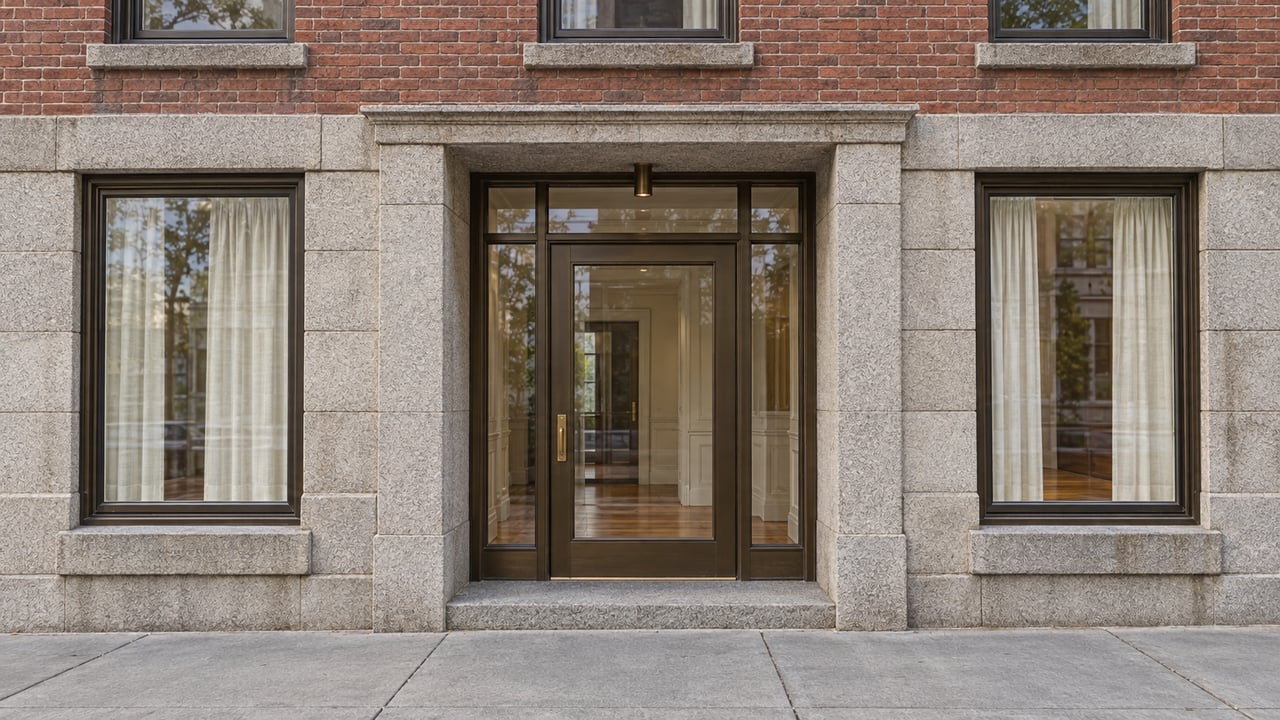
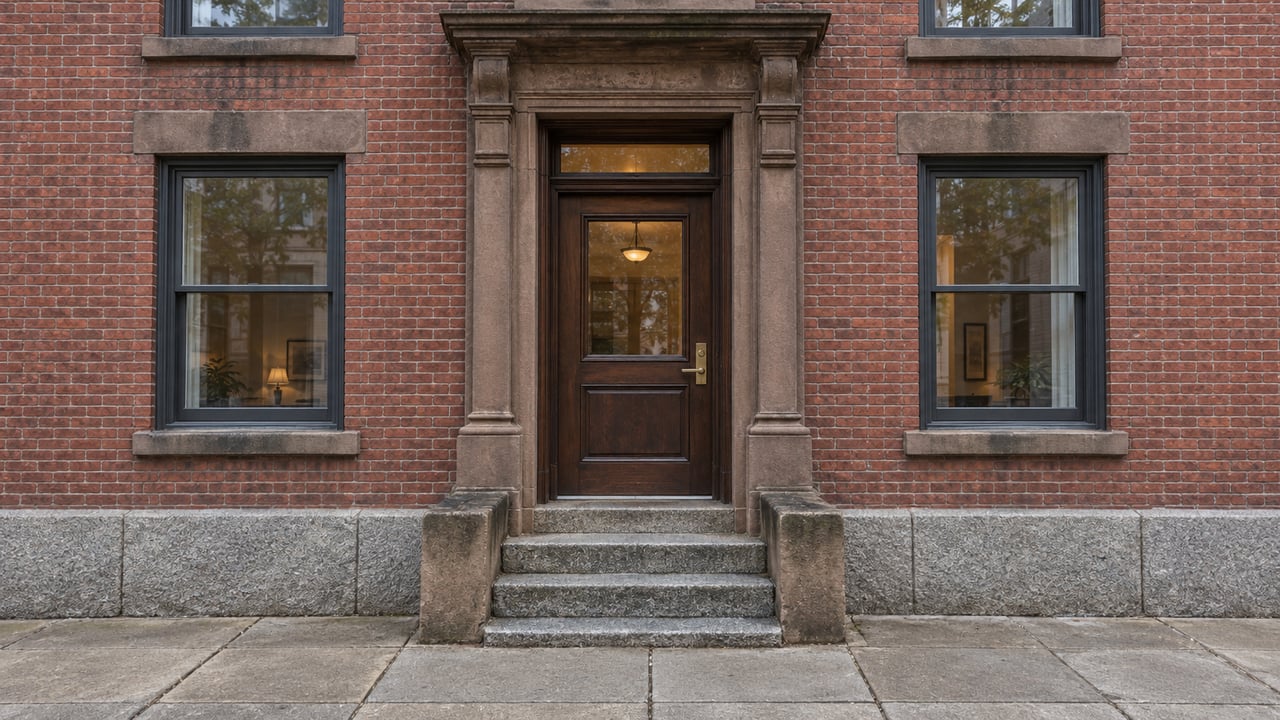
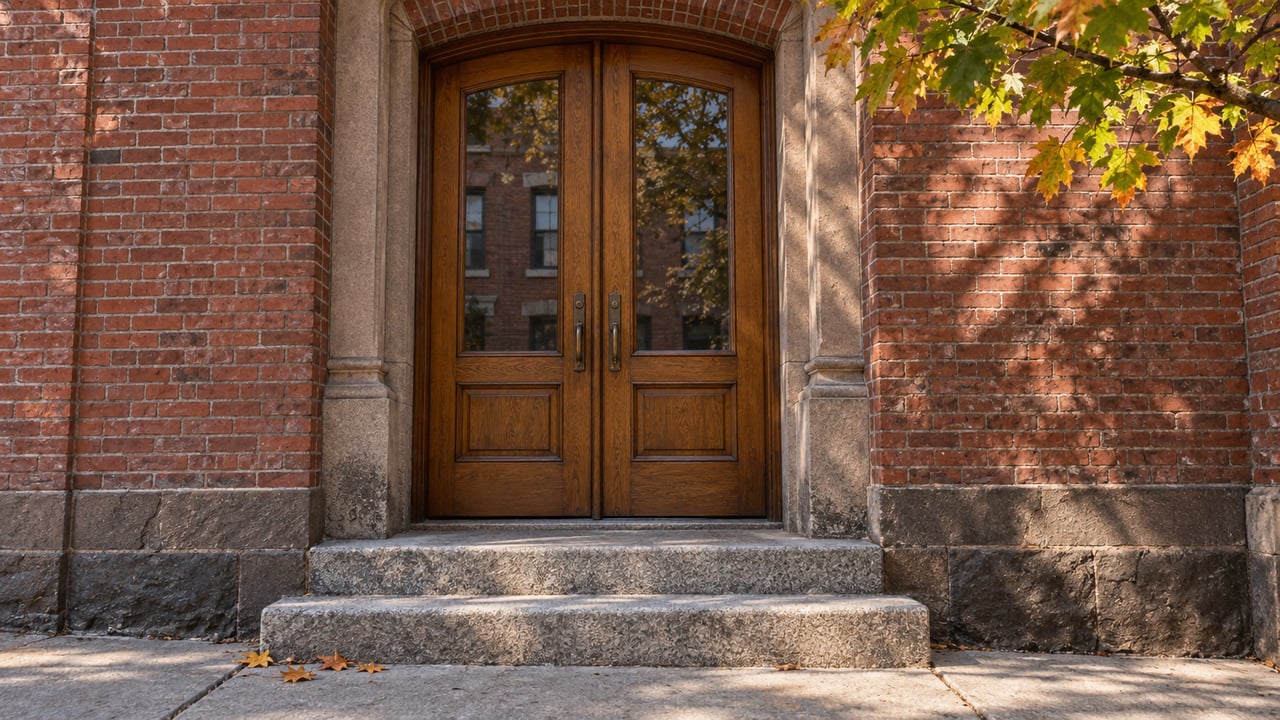
Historic doors, surrounds, transoms, sidelights, and hardware should be retained where possible. Flush doors and metal-clad doors are not permitted.
Storm doors are generally not allowed unless they were original to the building. Even what seems like a simple entry update may be more limited than you expect.
Paint and masonry
Historically appropriate colors are expected. Granite, brick, sandstone, sills, and stoops that were not intended to be painted should not be painted.
The guidelines also prohibit harsh paint-removal methods such as wire brushing or sandblasting. If masonry work is likely, expect a more specialized approach.
Ironwork
Original ironwork should be retained. New metal features should be compatible with the building’s style.
For many Beacon Hill buyers, this is part of the appeal. It is also part of the maintenance reality.
Plan for longer timelines and tighter design choices
If you hope to make highly customized exterior changes, Beacon Hill may require patience. The district’s standards emphasize historic materials, compatible detailing, and visibility-based review.
In practical terms, buyers who want prominent roof additions, non-historic window systems, or major exterior redesigns should expect tighter design limits. Project timing may also take longer because approvals come before work begins.
This does not mean updates are impossible. It means they should be approached with a clear plan, realistic expectations, and professionals who understand the local review process.
What to review in a Beacon Hill condo
Many Beacon Hill rowhouses have been converted into small condominium associations. That makes Massachusetts condominium law especially relevant when you are evaluating a unit.
Under Chapter 183A, common areas and facilities can include foundations, walls, roofs, halls, lobbies, public stairs, fire escapes, central services such as heating and air conditioning, elevators, land, parking areas, and storage spaces. Common expenses include the administration, maintenance, repair, or replacement of those shared elements.
In an older building, that matters a great deal. Condo fees may be supporting historically sensitive and potentially costly items like masonry, roofs, stairways, or central systems.
Read the condo documents closely
Massachusetts law requires condo by-laws to address how common areas are maintained, repaired, and replaced. They also cover how common expenses are collected, whether personnel or a manager may be hired, what administrative rules apply, and what use and maintenance restrictions govern the property.
For you, the takeaway is simple: the by-laws are not just routine paperwork. They can shape everyday ownership, financial obligations, renovation boundaries, and how decisions are made within the building.
A careful document review is especially important in a small historic association, where a few owners may be carrying significant responsibility for the building’s condition and future capital planning.
Check reserves, records, and assessments
Massachusetts law requires a separate and segregated replacement reserve fund. The law also requires the organization of unit owners to keep records available for owner inspection, including the master deed, by-laws, minutes, financial records, reserve-fund records, contracts, and insurance policies.
The statute also requires financial reports within 120 days of fiscal year-end. Condominiums with 50 or more units must have an annual CPA review unless the statute modifies the interval, while smaller condominiums may vote to obtain a review.
When you are evaluating a Beacon Hill condo, these are some of the most useful items to request:
- Master deed
- By-laws
- Recent budgets
- Reserve-fund balance
- Recent financial report
- Meeting minutes
- Insurance policies
- Records of special assessments
- Records of planned capital work
These documents can help you understand whether the building appears prepared for major repairs and whether upcoming projects may affect your costs after closing.
Understand what condo fees really mean
Massachusetts law does not allow an owner to avoid common-expense liability simply because they do not use the common areas. In other words, fee obligations remain in place whether or not you make regular use of shared spaces or systems.
That is particularly important in Beacon Hill, where the building envelope and shared infrastructure may require careful ongoing upkeep. A lower monthly fee is not always the full story if reserves are thin or major repairs are approaching.
Ask renovation questions before you buy
Historic Beacon Hill properties often reward buyers who ask detailed questions early. The more clarity you have before closing, the better you can judge whether the home fits your goals.
Useful buyer questions often include:
- Is the address within the Historic Beacon Hill District?
- Has the building had prior BHAC approvals for exterior work?
- Is any exterior work potentially nonconforming?
- Can windows, doors, or roof access be changed later under current guidelines?
- Does the condo association have adequate reserves for major repairs?
- Are special assessments planned or being discussed?
- Will the property likely require specialty vendors for historic maintenance?
- Does the home fit your lifestyle if you value character more than broad remodeling freedom?
These questions can help you move beyond surface appeal and understand the property as an ownership experience.
Prepare for lead-safe renovation planning
Because many Beacon Hill homes were built long before 1978, lead-based paint may be a concern. EPA guidance states that homes built before 1978 may contain lead-based paint, and renovation, repair, and painting work in those homes can create significant lead dust.
If you plan to update a historic property, lead-safe practices may be relevant until testing shows otherwise. That makes contractor selection and renovation planning especially important.
EPA renovation guidance requires certified lead-safe practices for covered work in pre-1978 housing. For you as a buyer, that means it is wise to line up professionals familiar with both historic materials and lead-safe work before taking on a major project.
Use a phased approach to renovations
Renovation planning in Beacon Hill is usually smoother when you think in phases rather than trying to solve everything at once. Boston’s guidance supports starting early and waiting for approval before purchasing materials or beginning work.
A practical sequence often looks like this:
- Confirm district status.
- Review any prior approvals.
- Identify likely exterior changes.
- Consult the right architect, contractor, or advisor.
- Sequence permit and BHAC review before work starts.
This kind of structure can help you avoid delays, unnecessary purchases, and design assumptions that do not align with district standards.
Is Beacon Hill the right fit for you?
Beacon Hill can be a remarkable place to own a home if you value architectural authenticity, historic detail, and the experience of living in one of Boston’s most established neighborhoods. The neighborhood’s preserved building fabric is a major part of its appeal.
At the same time, it can be less forgiving if your priority is quick exterior change, simplified building governance, or low-maintenance ownership. In Beacon Hill, charm and constraint often come from the same source.
That is why careful due diligence matters so much here. The right purchase is not just about finding a beautiful home. It is about finding a property whose rules, condition, and future maintenance profile fit the way you want to live.
If you are weighing a Beacon Hill purchase and want experienced, discreet guidance through the process, The Whaley | Ring Team can help you evaluate the property, the building, and the questions that matter before you commit.
FAQs
What makes buying a historic home on Beacon Hill different from buying elsewhere in Boston?
- Beacon Hill homes may be subject to historic district rules, especially for exterior work visible from a public way, and many properties also involve older building systems and condo structures that require closer review.
What exterior changes on a Beacon Hill home may require review?
- In the Historic Beacon Hill District, exterior work visible from a public way may require review by the Beacon Hill Architectural Commission, including changes involving windows, roofs, doors, masonry, paint, and ironwork.
What condo documents should you request when buying a Beacon Hill condo?
- You should request the master deed, by-laws, recent budgets, reserve-fund balance, recent financial report, meeting minutes, insurance policies, and any records of special assessments or planned capital work.
What should you know about condo fees in a Beacon Hill building?
- Under Massachusetts law, owners remain responsible for common expenses even if they do not use the common areas, and in older buildings those fees may support costly shared items such as roofs, masonry, stairs, or central systems.
What should you ask before renovating a historic Beacon Hill property?
- You should confirm district status, review prior approvals, ask whether any exterior work may be nonconforming, and understand whether proposed changes to windows, doors, roofs, or access features are likely to face design or timing limits.
What lead-related issues should Beacon Hill buyers keep in mind?
- Because many homes were built before 1978, lead-based paint may be present, and renovation or repair work may require lead-safe practices unless testing shows otherwise.