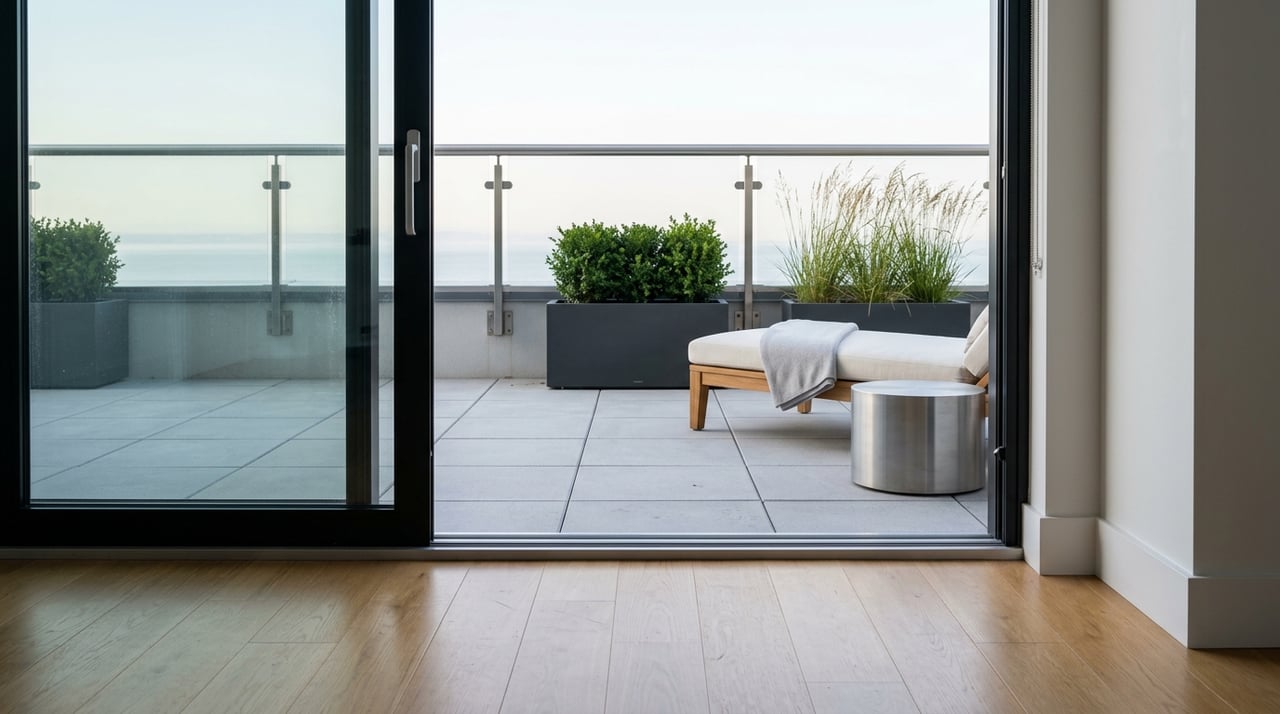
What does everyday life in Boston’s Seaport actually feel like once the skyline views become your normal backdrop? If you are considering a move here, you are probably trying to picture more than just luxury buildings and waterfront restaurants. You want to know how the neighborhood works day to day, how people get around, and what kind of routine the area supports. Let’s dive in.
Seaport feels newer than most of Boston
The Seaport, formally part of the South Boston Waterfront, sits just across Fort Point Channel from Downtown Boston. Boston planning materials describe it as a fast-transforming district that has evolved from warehouses and industrial space into a creative, tech, and residential hub.
That shift is not subtle. Boston planning estimates say the South Boston Waterfront population grew 339% from 2010 to 2025, while housing units grew 419% over the same period. In practical terms, that means you are living in a neighborhood that still feels new, active, and very much in motion.
Part of that feeling comes from the land itself. Much of today’s Seaport was filled in during the 19th century from what had been tidal mudflats, which helps explain why the area feels more planned, more vertical, and more modern than many older Boston neighborhoods.
Daily life centers on the waterfront
If you live in Seaport, the Harborwalk becomes part of your routine. Boston Harbor Now describes it as a nearly 40-mile public waterfront walkway that runs through South Boston, Fort Point, Downtown, and other waterfront areas, with parks, seating, art, cafes, exhibit spaces, and water transportation access along the way.
That matters because the waterfront here is not just scenery. It functions as a real everyday asset, whether you are taking a morning walk, meeting someone for coffee, or heading out for fresh air after work.
Martin’s Park adds another layer to that daily rhythm. The City of Boston describes the park at 64 Sleeper Street as climate-resilient and open to children, families, and visitors of all abilities, creating another public space that makes the area feel lived-in rather than purely commercial.
Errands are easier than some buyers expect
One common misconception about Seaport is that it is all destination dining and office towers. In reality, neighborhood updates from the Seaport Neighborhood Association point to a growing set of everyday conveniences, including Daily Provisions at Commonwealth Pier, Boston Provisions Market on Harbor Way, Sugar’s Hot Pizza, and other expanding food and retail options.
That does not make Seaport feel like a traditional corner-store neighborhood. It does mean, however, that your daily routine can stay surprisingly local, especially for quick meals, coffee runs, and basic stop-in errands.
The same neighborhood updates also note that public restrooms are available in and around the Seaport, with some provided through Chapter 91 public-access requirements. Small details like that can make a busy waterfront district feel more practical and user-friendly during long walks or event-heavy days.
The neighborhood is active and event-driven
Seaport often feels more programmed than many older parts of Boston. Boston planning materials note that pop-up restaurants and shops appear each summer, while the Boston Convention and Exhibition Center and the World Trade Center host numerous large events throughout the year.
For you, that can be a plus if you like energy and variety close to home. It can also mean the pace changes depending on the calendar, with some days feeling relaxed and residential, and others feeling much busier because of conferences, visitors, or seasonal programming.
That changing rhythm is part of what defines Seaport. It is not static, and it does not operate like a quiet side-street neighborhood that looks the same every day.
Getting around is easier without a car
Seaport works well for people who want multiple ways to move around the city. According to the Seaport Transportation Management Association, the MBTA Silver Line connects the neighborhood to South Station through SL1, SL2, and SL3, serving stops including Courthouse, World Trade Center, and Silver Line Way.
SL1 also runs to Logan Airport seven days a week, which is especially useful if you travel often. Route 4 links North Station and the Seaport during weekday peak periods, and Route 7 runs via Summer Street Monday through Saturday.
If your routine includes commuting, flights, or regular meetings in other parts of Boston, those connections can make Seaport feel more integrated with the rest of the city than some first-time buyers assume.
Water transit is part of the routine
One of the more distinctive parts of Seaport living is that water transportation is not just for visitors. Seaport TMA says the Seaport Ferry runs Monday through Friday during morning and evening commute periods between the Seaport and North Station or East Boston.
Water taxis operate year-round to destinations including Logan Airport, Charlestown, the North End, and East Boston. Boston Harbor Bus also provides scheduled year-round service between the South Boston Waterfront and Logan.
That gives you a transportation mix that is unusual even by Boston standards. In daily life, it means you may have practical alternatives when roads are busy or when a waterfront route simply fits your day better.
Walking and biking are part of the design
The city has invested in making the area easier to navigate on foot. Boston Transportation Department wayfinding signs now help direct pedestrians between places such as Flynn Cruiseport, South Station, the Lawn on D, and Moakley Courthouse.
Seaport TMA also runs weekly Bike Seaport check-ups at Seaport Common and highlights protected bike lanes throughout the district. If you prefer to combine walking, biking, and transit, Seaport supports that kind of routine well.
This is one reason the neighborhood often feels more intentionally laid out than older Boston areas. Movement is not left entirely to chance. It is part of how the district has been organized.
Traffic is part of the tradeoff
For all its convenience, Seaport is not effortless. The Seaport Neighborhood Association notes that many streets are privately owned and managed, and neighborhood updates cite pedestrian-safety concerns, double-parking, valet conflicts, and nighttime vehicle noise.
That is important context if you are comparing Seaport with more traditional residential areas. Mobility here can be highly managed and more sensitive to events, curb activity, and peak traffic than buyers sometimes expect.
In other words, Seaport can be very walkable and well-connected, but it is still a busy urban waterfront district. The best way to think about it is as a neighborhood where convenience and activity often go hand in hand.
Building life shapes the resident experience
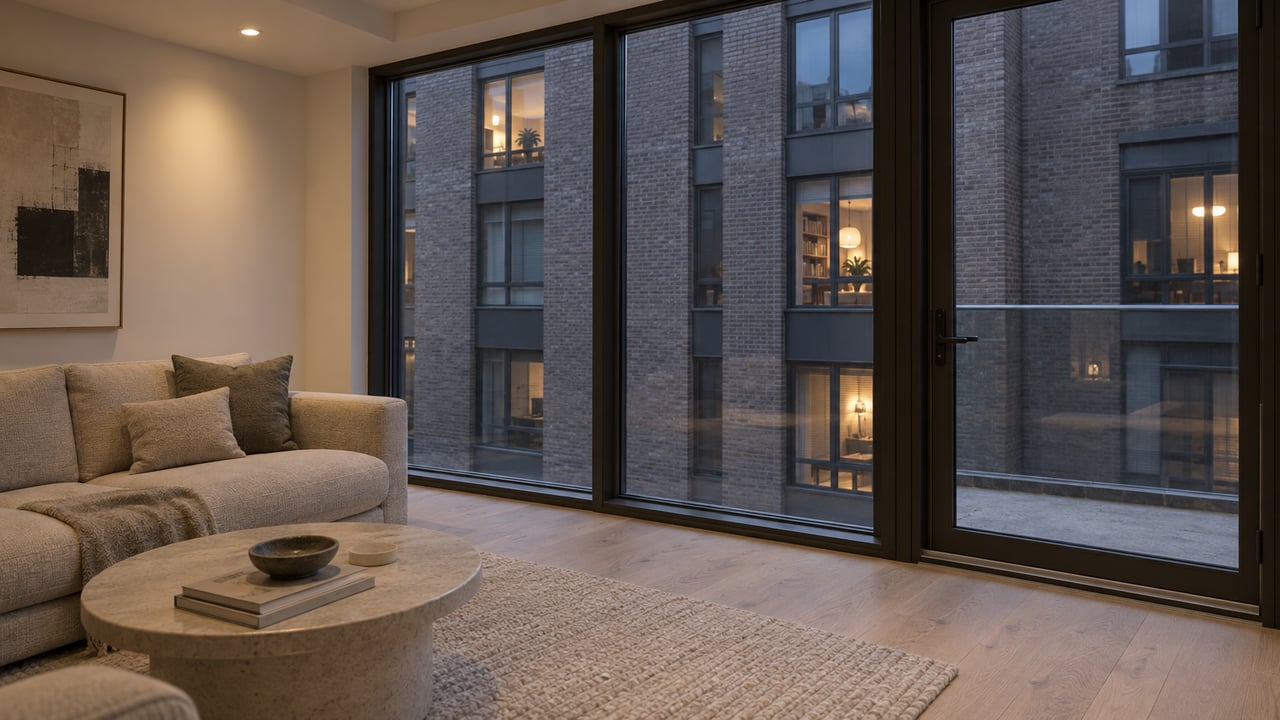
A big part of everyday life in Seaport happens inside the buildings themselves. Current amenity pages for residential buildings in the area show a recurring pattern that includes 24-hour concierge or door-attendant service, resident lounges, fitness centers, roof decks or terraces, package lockers, coworking or conference spaces, garage parking, and pet-friendly features.
Some buildings also include pools or expansive rooftop amenities. That creates a lifestyle that is more service-oriented and vertically organized than what you might find in Boston’s older rowhouse neighborhoods.
For many residents, those amenities are not occasional perks. They become part of the weekly routine, whether that means taking calls from a lounge, collecting deliveries from a concierge or locker system, working out without leaving the building, or relying on garage parking and bike storage instead of street parking.
Seaport offers a distinct Boston lifestyle
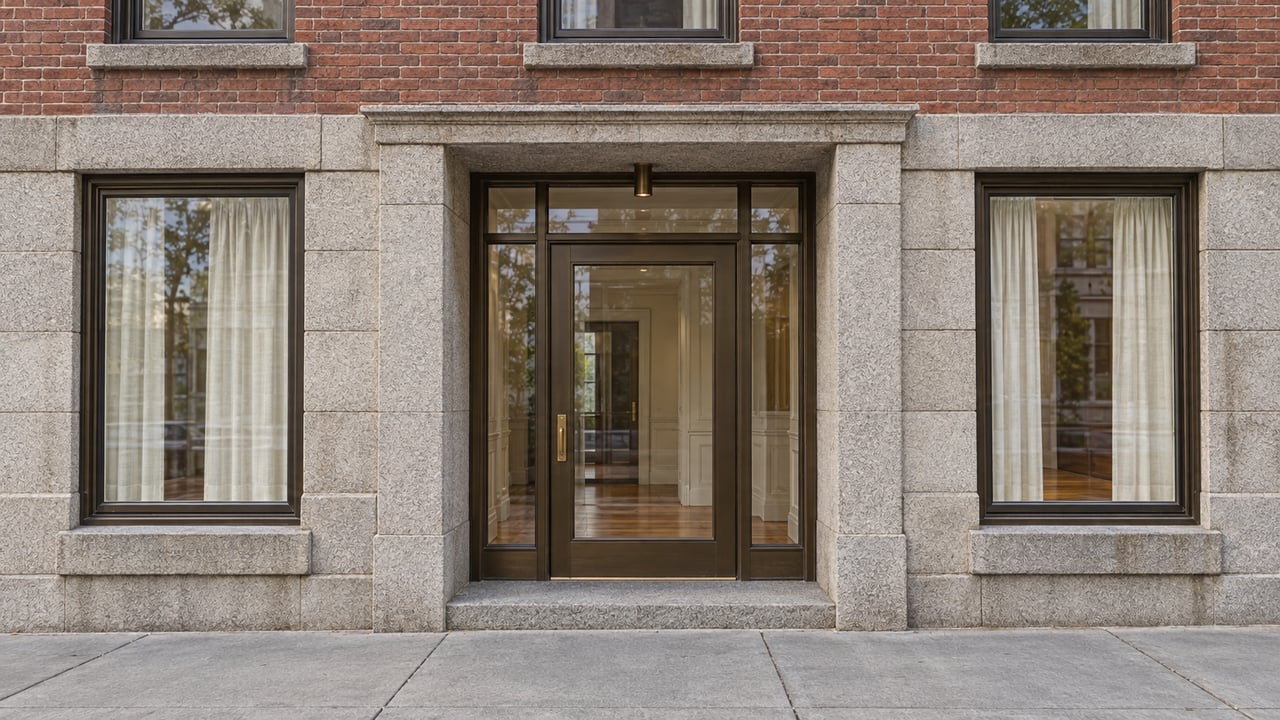
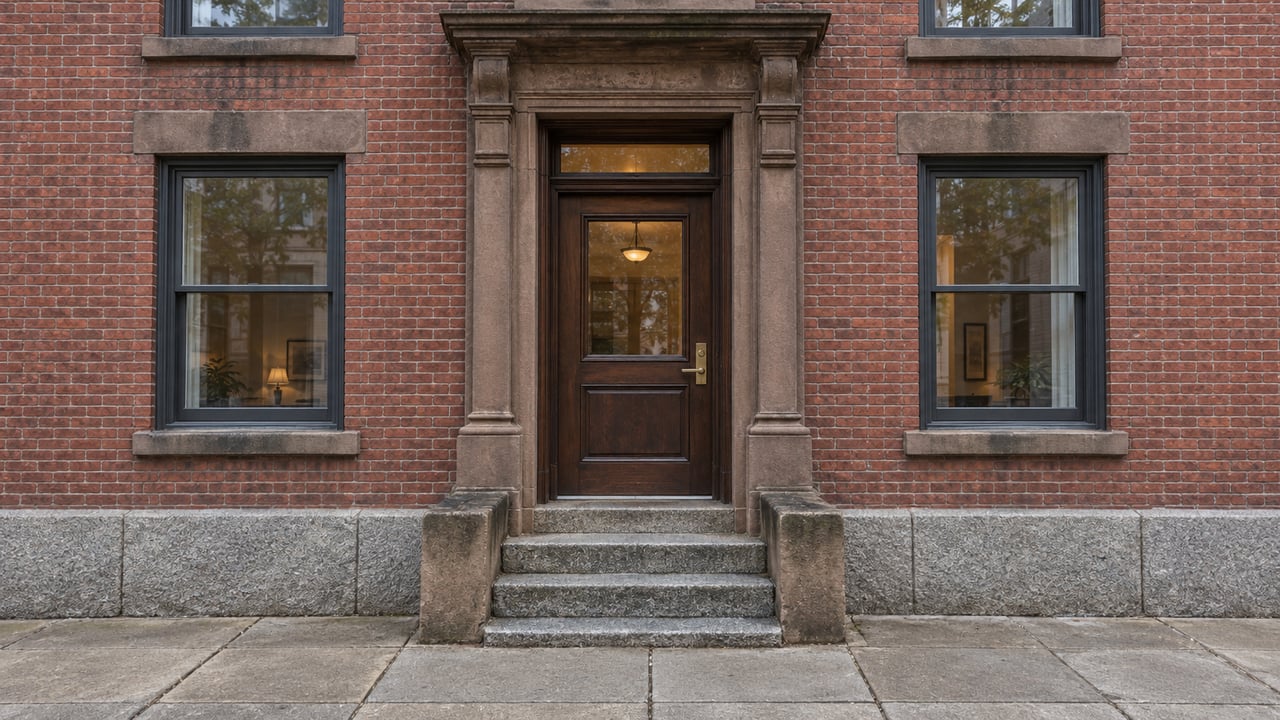
Compared with older Boston neighborhoods, Seaport feels less rooted in stoops, low-rise blocks, and small-scale streetscapes. Daily life is more likely to revolve around towers, elevators, managed lobbies, structured parking, and ground-floor retail.
That difference is not better or worse. It simply means Seaport appeals to buyers who want a dense, modern, service-rich urban experience with strong waterfront access and newer housing stock.
It also remains tied to the broader South Boston Waterfront geography. So while the atmosphere feels contemporary, the location still connects you to an important piece of Boston’s working and evolving waterfront identity.
Who Seaport tends to suit best
Seaport often works especially well if you value convenience, newer construction, and a polished urban routine. You may appreciate the neighborhood if you want:
- Easy access to South Station and Logan Airport
- A walkable waterfront setting
- Amenity-rich residential buildings
- Dining and retail close to home
- A neighborhood with regular events and seasonal activity
It may require more thought if you prefer a quieter daily pace or a more traditional Boston streetscape. The neighborhood is dynamic, highly active, and shaped by both resident life and destination traffic.
For the right buyer, that combination is exactly the appeal. Seaport offers a version of Boston living that feels modern, connected, and closely tied to the harbor.
If you are weighing Seaport against other central Boston neighborhoods, the most useful next step is to compare not just prices or floor plans, but lifestyle fit. For discreet, senior-level guidance on Seaport and other luxury Boston neighborhoods, The Whaley | Ring Team can help you assess what aligns best with your goals.
FAQs
What is the Seaport neighborhood in Boston like day to day?
- Everyday life in Seaport is shaped by waterfront walking, modern residential buildings, nearby dining and retail, and a neighborhood calendar that often includes events, pop-ups, and convention activity.
How do residents get around from Boston’s Seaport?
- Residents commonly use the MBTA Silver Line, bus routes, walking, biking, ferries, water taxis, and airport connections that link the South Boston Waterfront to South Station, North Station, East Boston, and Logan.
Is Boston’s Seaport easy to walk around?
- Yes, Seaport is designed to support walking, with Harborwalk access, public spaces, pedestrian wayfinding, and a street network that connects major destinations across the waterfront.
What kind of homes are common in Boston’s Seaport?
- Seaport is known for newer luxury residential buildings with features such as concierge service, fitness centers, lounges, package systems, garage parking, and rooftop or terrace amenities.
Does Boston’s Seaport feel different from older neighborhoods?
- Yes, Seaport generally feels more modern, vertical, and amenity-driven than many older Boston neighborhoods, with daily life centered more on towers, managed buildings, and waterfront mixed-use development.