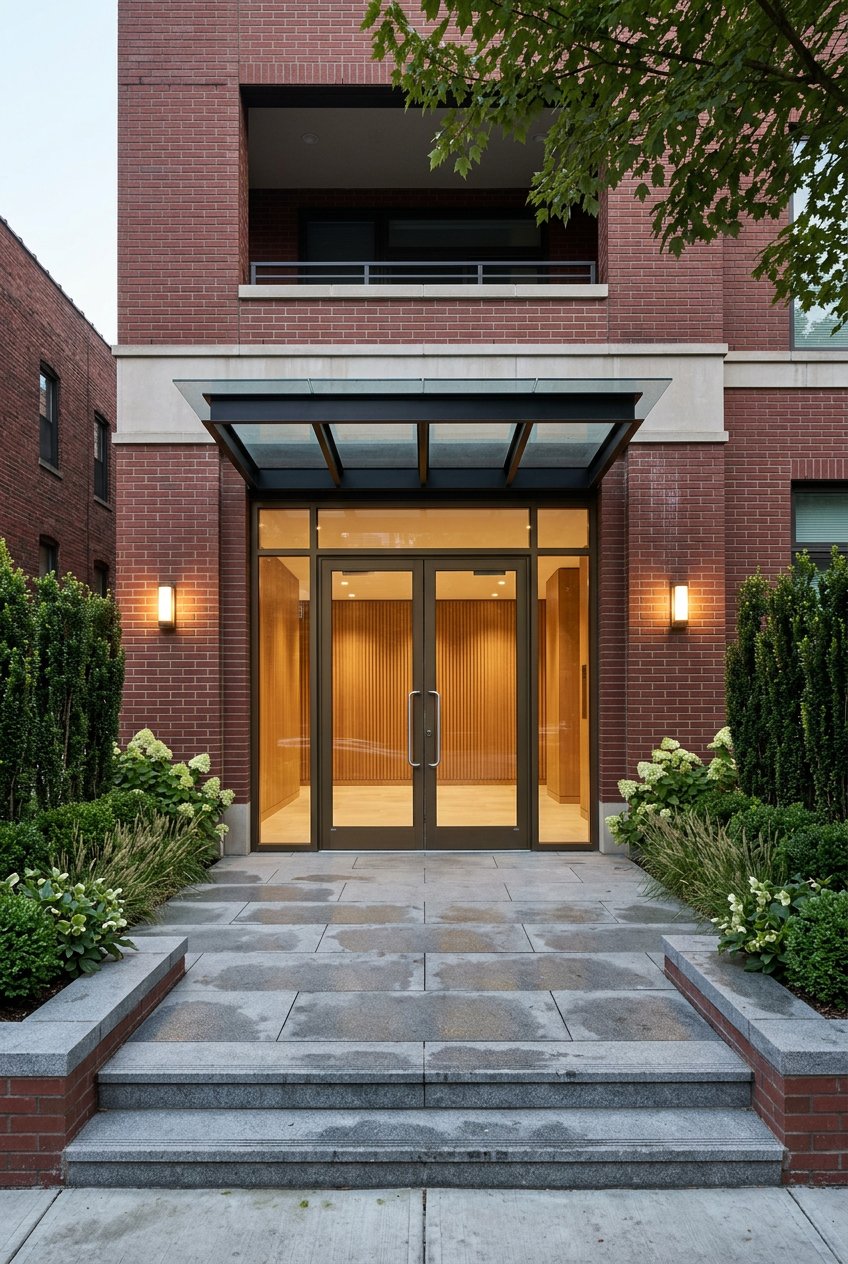
Do you want a luxury condo in Cambridge that lets you walk to Harvard Yard or your MIT lab, without giving up privacy, amenities, or parking? You are not alone. Faculty, researchers, medical professionals, and executives all look for the same blend of convenience and calm. In this guide, you will learn which neighborhoods fit your routine, what building types to target, how to think about commutes and parking, and the HOA checks that protect you from surprises. Let’s dive in.
How Cambridge’s luxury condo market is shifting
Cambridge sits at the top end of Greater Boston condo pricing and moves quickly with hiring cycles in biotech and academia. New development around Kendall Square is adding taller, full-service buildings, which can shift the balance between new product and historic conversions. Recent coverage shows construction beginning on what is expected to be Cambridge’s tallest building, adding to the Kendall skyline and changing amenity expectations nearby (local press update on a Kendall-area tower).
MIT’s Kendall Common plan is another long-run driver. It envisions multiple residential buildings, retail, and open space right next to campus. As these blocks advance, track which buildings become for-sale condos vs. rentals, since that affects HOA structures and resale dynamics (MIT’s Kendall Common overview).
If you plan to cite median prices or price-per-square-foot for a specific bedroom size, pull a current MLS snapshot before you decide on an offer strategy. Cambridge’s segments behave differently, and larger 2–4 bedroom luxury units often follow their own pattern. A dated, building-specific data point is always safer than a citywide average.
Best neighborhoods for Harvard and MIT buyers
Cambridge officially defines neighborhood boundaries, which helps you compare locations with a shared map in mind (City of Cambridge neighborhood pages). Below are quick fits by area, with typical walk or ride times to Harvard and MIT.
Harvard Square, West Cambridge, Avon Hill
If you want to walk to Harvard Yard in a few minutes, start here. You will find historic brownstones, converted triple-deckers, and select full-amenity mid-rise buildings. Expect a premium for river proximity and skyline views along Memorial Drive. From most streets near Harvard Square, you can walk to the Yard in about 3–10 minutes and bike to MIT in about 15–20 minutes or ride the Red Line two stops.
Agassiz, Baldwin, Neighborhood Nine
Just north of Harvard Square, these areas feel a bit more residential and often offer larger floor plans in converted homes. They appeal if you want more space yet still want a quick campus link. You can usually walk to Harvard campus in 10–15 minutes and reach MIT with a 15–20 minute bike ride or a Red Line transfer via Harvard Square.
Kendall Square and East Cambridge
For MIT buyers who want a short walk to labs and offices, Kendall and East Cambridge are the sweet spot. The building mix includes contemporary mid- and high-rises with concierge services, fitness rooms, and garage parking. New master-planned blocks at Kendall Common will continue to shape the neighborhood experience (MIT’s Kendall Common overview). From many buildings here, you can reach core MIT buildings on foot in 5–15 minutes and ride the Red Line to Harvard in about 10–15 minutes door to door.
Central Square, Inman Square, Cambridgeport
If you want a balance of restaurants, culture, and quick campus access, look at Central, Inman, and Cambridgeport. You will find village-like blocks, renovated triple-deckers, and smaller associations, with some newer mixed-use buildings sprinkled in. Central is one Red Line stop from both Kendall and Harvard. Typical trips are a 10–15 minute walk or 5–10 minute bike to MIT, and a 15–20 minute walk or a short Red Line ride to Harvard.
Porter Square and North Cambridge
Porter and the north side offer more space at a relative value, with access to the Red Line and the commuter rail at Porter. If you split time between Cambridge and points north or west, this can be a smart base. Commutes run about 5–10 minutes by Red Line to Harvard and 15–20 minutes to Kendall, plus a short bike to either campus.
Riverside and the Charles River fringe
The river corridor near Memorial Drive draws buyers seeking views and larger footprints in full-amenity buildings and select luxury associations. These are among Cambridge’s most premium sales. From many river-adjacent buildings west of Harvard Square, you can walk to Harvard in 10–15 minutes and reach MIT by bike in about 15–20 minutes.
Building types and what fits your life
Historic conversions near Harvard and Central
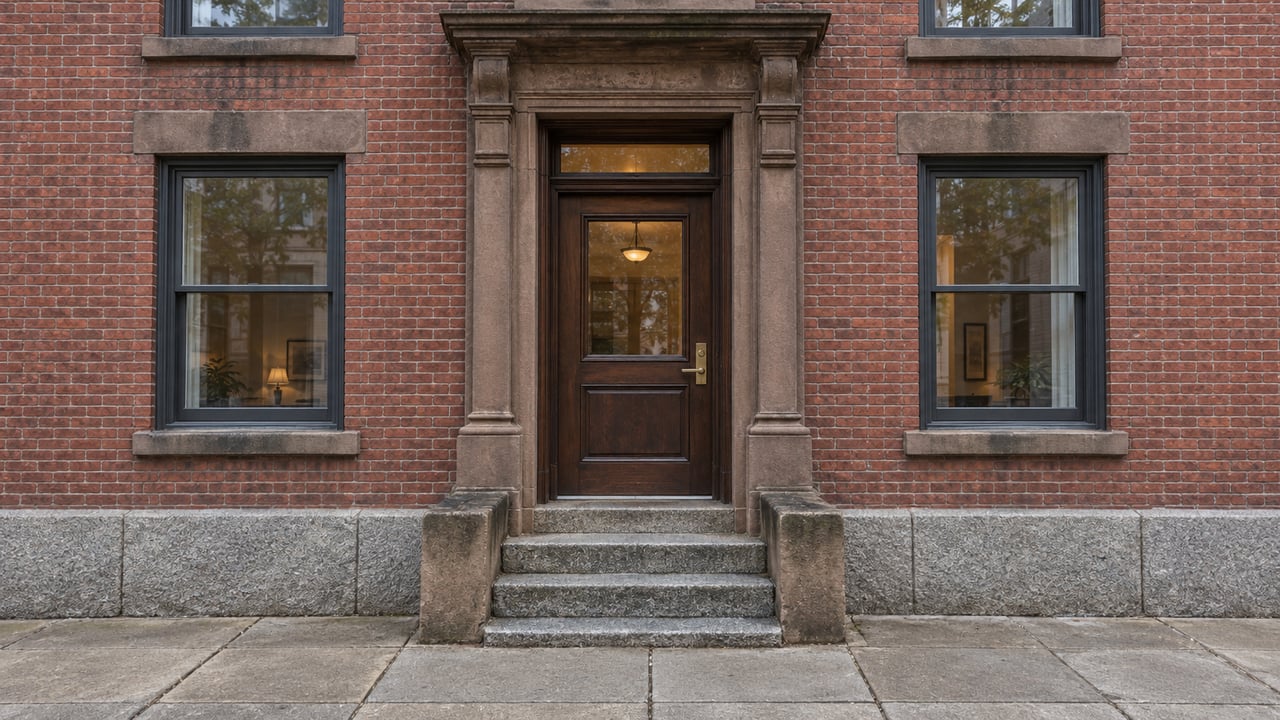
Converted brownstones and triple-deckers offer charm, tall windows, and a townhome feel. Amenities vary, and parking can be limited or deeded to a small number of units. These suit buyers who want residential streets and a sense of history near Harvard and Central.
Full-amenity mid- and high-rise condos
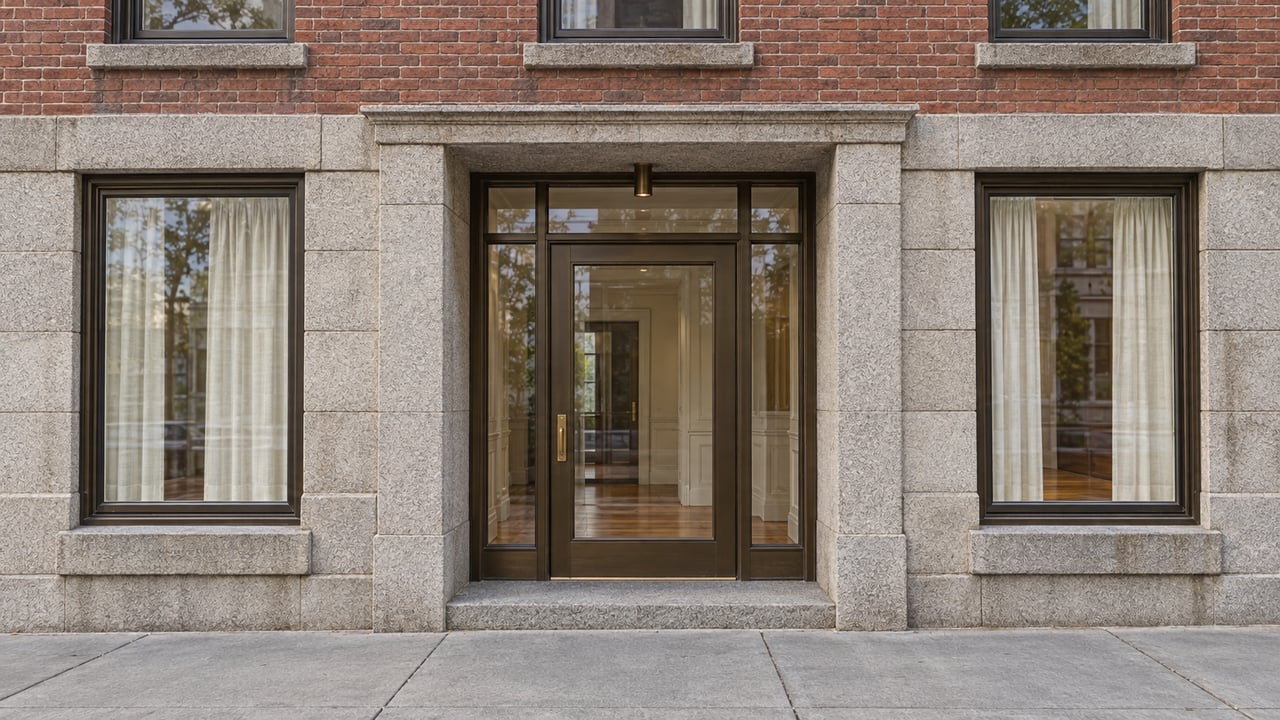
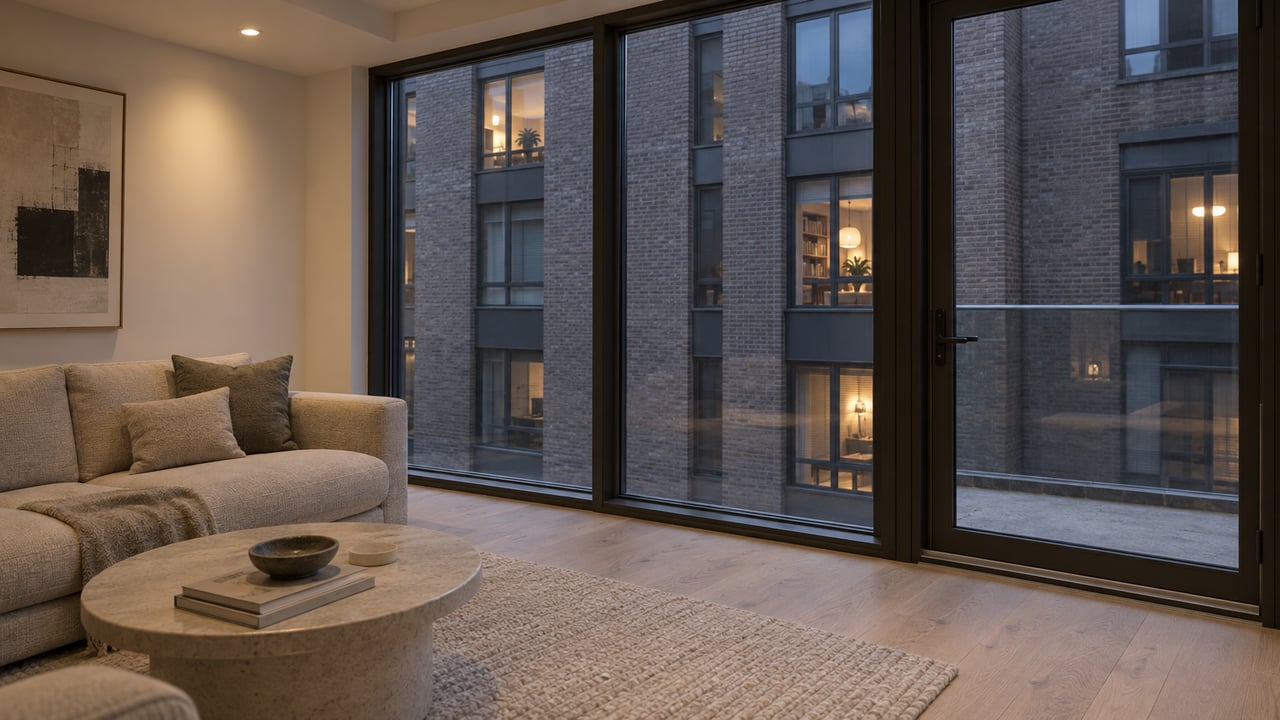
Next to MIT in Kendall and along the river, you will find buildings with concierge service, fitness centers, garage parking, and roof decks. These associations tend to have predictable operations and professional management, which many executives and medical professionals prefer. Selected Harvard-side towers and riverfront complexes cater to buyers who value privacy, services, and views.
New-construction in Kendall and mixed-use pipelines
Watch for further high-rise residential and mixed-use buildings around Kendall Square. Projects under construction, including a tower reported as the city’s tallest at the time of the 2024 announcement, highlight a shift toward taller, service-rich living near MIT (Kendall tower construction news). As Kendall Common builds out, confirm whether a building is for-sale condos or long-term rentals to understand resale dynamics and HOA design (MIT’s Kendall Common overview).
Commute and mobility: getting to campus
The Red Line directly serves Harvard and Kendall/MIT stations, with frequent bus links to the squares. For cross-campus trips, biking often wins on time. Cambridge’s bike plan shows a robust Bluebikes network and heavy use near Kendall and Harvard, which many academic commuters count on for 5–10 minute rides (City bike and Bluebikes plan chapter). Always check service notices for the Red Line or bus routes if timing is critical, since planned work can change typical ride times (MBTA service advisory reference).
Below is a quick, high-level look at door-to-door travel times.
Estimated commute times as of March 2026. Actual trips vary by exact address, time of day, and service changes.
| From neighborhood | To Harvard Yard (walk/bike/T/car) | To MIT Main Entrance (walk/bike/T/car) | To Longwood Medical Area (bike/T/car) |
|---|---|---|---|
| Harvard Square | 3–10 min / 5–10 min / Red Line 2–5 min / 5–15 min | 25–35 min / 15–20 min / Red Line 10–15 min / 10–20 min | 20–25 min / 30–40 min with transfer / 20–35 min |
| Kendall Square | 20–30 min / 10–15 min / Red Line 10–15 min / 10–20 min | 5–15 min / 3–8 min / N/A / 5–10 min | 20–25 min / 25–35 min with transfer / 20–35 min |
| Central Square | 15–20 min / 10–15 min / Red Line 3–6 min / 10–20 min | 10–15 min / 5–10 min / Red Line 3–5 min / 10–15 min | 20–25 min / 30–40 min with transfer / 20–35 min |
Parking and EV readiness
On-street parking in Cambridge requires a Resident Parking Permit, and rules limit how you and your guests can use curb space. Central neighborhoods can be tight, so a deeded garage space is a valuable amenity and often a must-have for car commuters. Review the city’s permit process if you rely on street parking (Cambridge Resident Parking Permit info).
New developments are planning for electrification. Kendall Common’s vision includes all-electric residential buildings and district systems, which can influence EV charging, building mechanicals, and long-run operating costs. If EV readiness matters, ask how the garage allocates chargers and whether the HOA has a plan for future demand (MIT’s Kendall Common overview).
HOA due diligence for Cambridge condos
Massachusetts condominium law requires HOAs to keep records and maintain an adequate replacement reserve fund, and boards have fiduciary duties to owners. Recent discussions have pushed toward clearer guidance on reserves, so you should always review the latest budget, reserve study, and board minutes before you commit (reserve and governance overview).
Ask for these documents at a minimum:
- Master Deed and By-Laws.
- Current-year HOA budget and the last 2–3 years of financial statements.
- Reserve-fund statement and any recent reserve study.
- Board minutes for the past 12 months.
- Insurance certificates and deductibles.
- Management contract and any major vendor agreements.
- Rules and regulations, including rental and pet policies.
- Accounts receivable or list of delinquent owners.
Three policy items deserve special attention:
- Reserve adequacy and special assessments. Buildings with robust reserves and a current reserve study reduce your surprise risk. Confirm whether any special assessments are planned in the minutes or budget notes (reserve and governance overview).
- Rental rules and owner-occupancy. If you anticipate a sabbatical or extended leave, read the rental policy for minimum lease terms and any caps on rentals. Short-term rentals are often restricted and are building-specific.
- Insurance scope. Determine whether interiors are covered by the master policy or if you need enhanced HO-6 coverage. Ask whether recent premium hikes have raised deductibles or changed coverage lines (keeping track of condo paperwork).
Quick buyer checklist
Use this one-page filter before you tour:
- Decide your priority: walk-to-campus convenience or more space at a lower price-per-square-foot in areas like Porter or North Cambridge.
- Confirm whether the unit includes a deeded parking space and request the deed exhibit. Review city rules if you plan to rely on street parking (Resident Parking Permit info).
- Request the HOA’s current budget, last 2–3 years of financials, reserve statement, and 12 months of minutes (reserve and governance overview).
- Read the rules on rentals, sublets, pets, alterations, and guest parking.
- Map your commute by walk, bike, and Red Line. Cambridge’s bike and Bluebikes network can cut door-to-door time significantly (City bike and Bluebikes plan chapter).
- Ask about EV charger availability and future readiness in any garage. Projects like Kendall Common are planning all-electric buildings, which can shape long-run infrastructure (MIT’s Kendall Common overview).
Plan your next step
Choosing the right Cambridge condo is about fit: the right block, the right building, and an HOA you can trust. With senior-led, discreet buyer representation, you get neighborhood insight, careful HOA vetting, and access to select opportunities that may never hit the open market. If you are Harvard- or MIT-affiliated and want a clear path from shortlist to closing, connect with the The Whaley | Ring Team to set up a confidential consultation.
FAQs
What are the best Cambridge neighborhoods for Harvard faculty who want to walk to campus?
- Harvard Square, West Cambridge, and Avon Hill offer short walks to Harvard Yard, historic buildings, and calm residential blocks, with quick Red Line access to other squares (City neighborhood pages).
How do Kendall Square’s new developments affect luxury condo options near MIT?
- Taller, amenity-rich buildings are expanding inventory next to campus, changing services, parking, and resale dynamics; track Kendall Common and nearby towers under construction for for-sale vs. rental status (MIT’s Kendall Common overview; Kendall tower construction news).
What HOA documents should I review before buying a Cambridge condo?
- Request the Master Deed and By-Laws, current budget, 2–3 years of financials, reserve statement or study, 12 months of minutes, insurance certificates, management contract, and rules on rentals and pets (reserve and governance overview).
How reliable is the Red Line for commuting between Harvard and MIT?
- The Red Line connects Harvard and Kendall/MIT directly, but planned work can affect timing; check current service notices before you rely on specific schedules (MBTA service advisory reference).
Is deeded parking common in Cambridge luxury condos?
- Garage parking is prized, especially near Harvard Square and Kendall. Availability is building-specific; on-street options require a Resident Parking Permit with defined rules (Resident Parking Permit info).
Can I rent out my Cambridge condo during a sabbatical?
- Many associations allow rentals with minimum lease terms or caps, while others limit short-term stays; confirm the condo’s rental policy in the rules and governing documents before you buy.