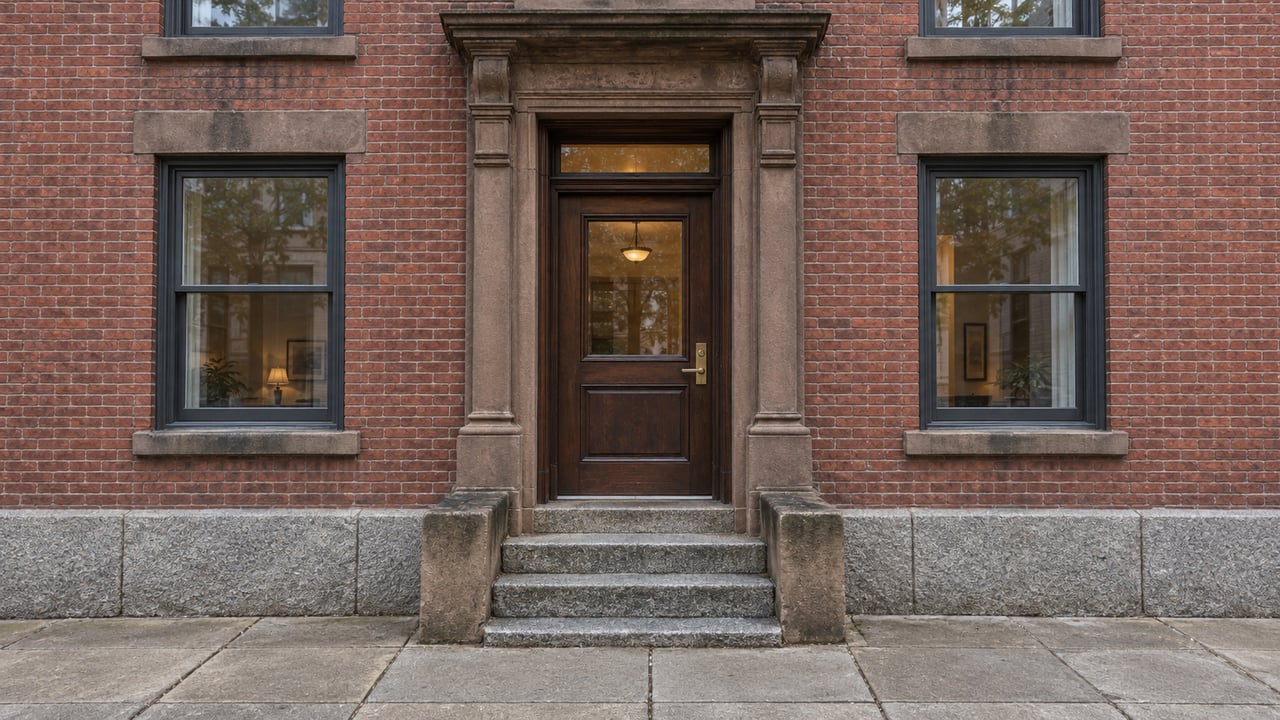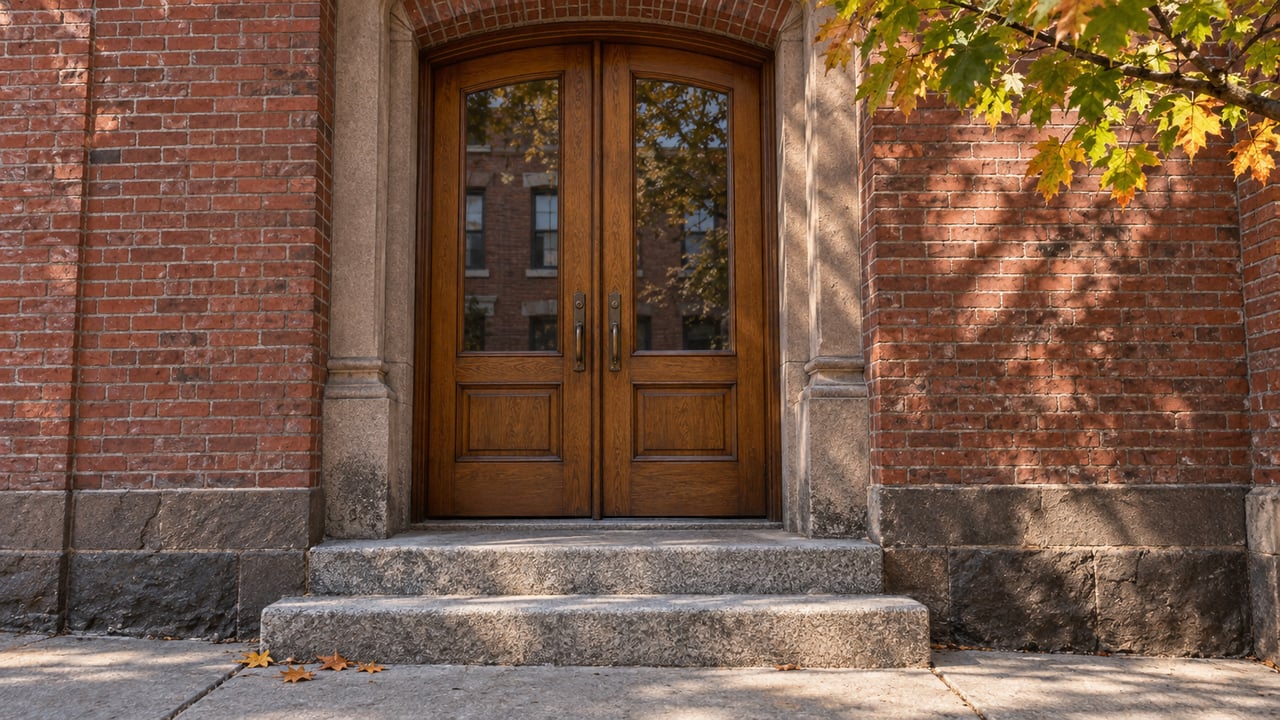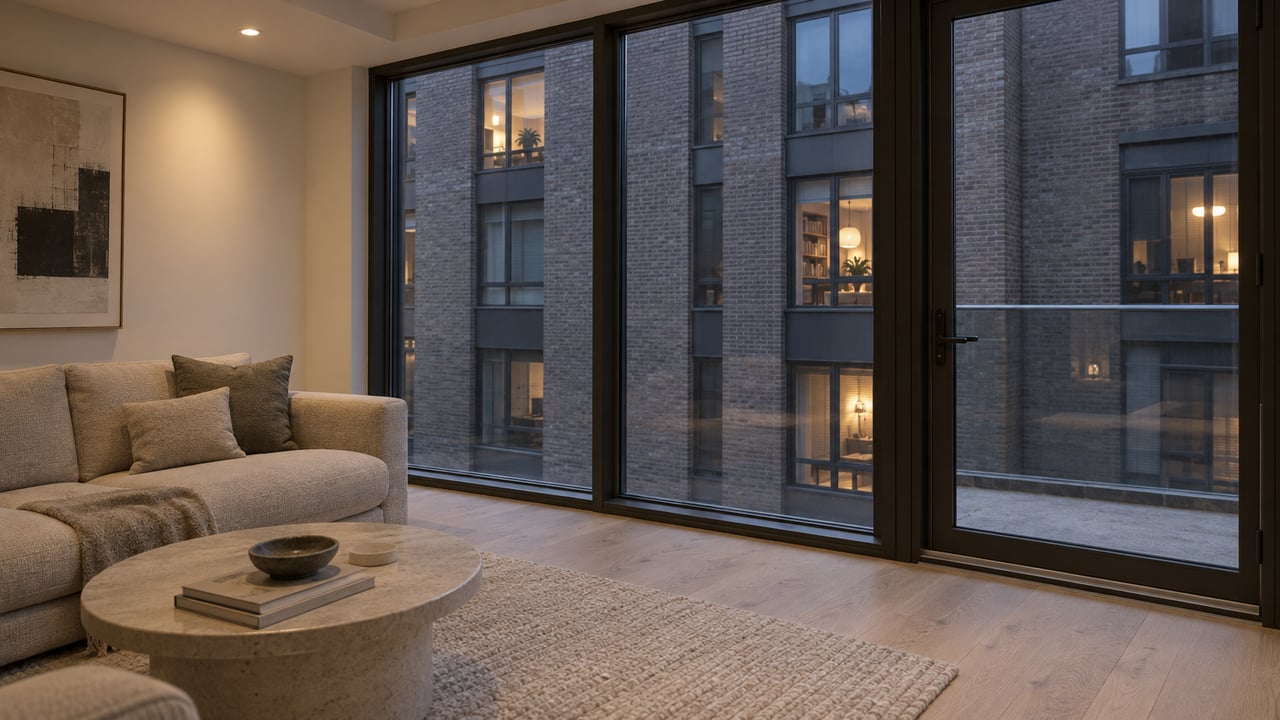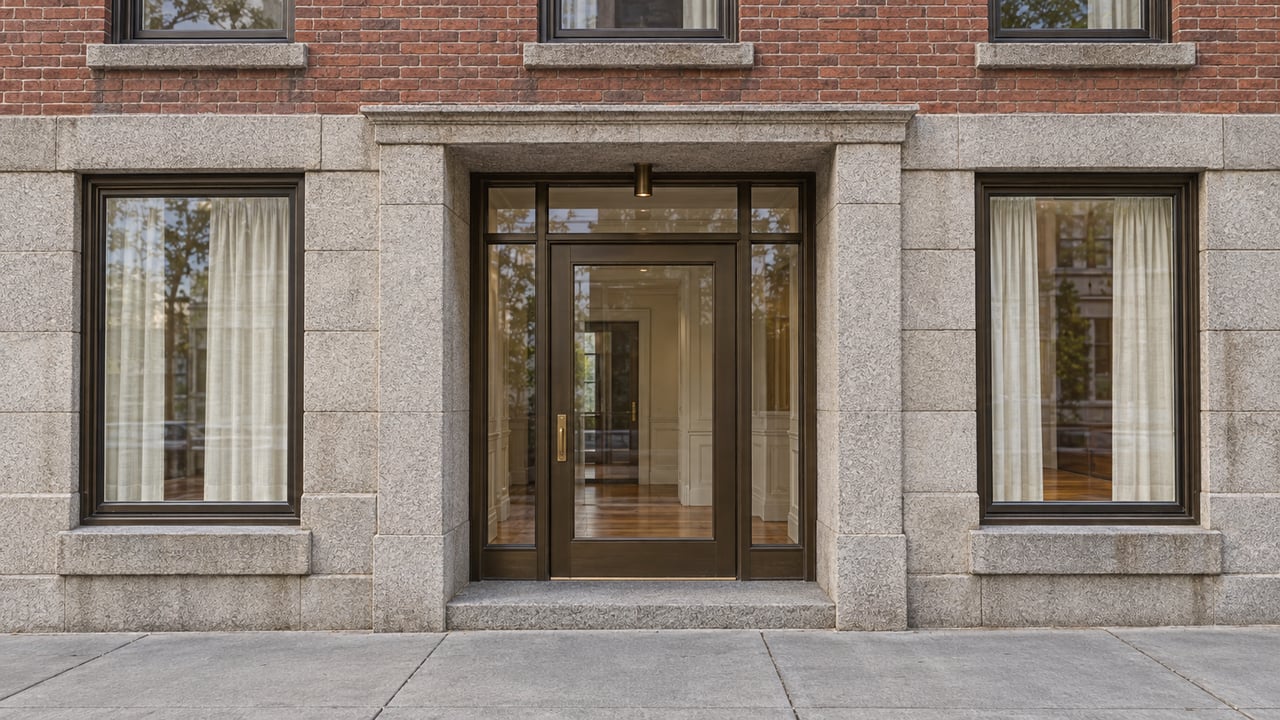
There is a Mediterranean grill on one corner of 281 Franklin Street and a shoe repair shop on the other. Upstairs, where office workers used to sit, there are now 15 apartments. Boston.com described the building in April as the first completed project in the city's office-to-residential conversion program. By December 2025, the City reported that every unit was rented.
The latest city tally shows 2,420 homes moving through the same pipeline. They are being built as apartments for rent, and the reason sits in the program's design. For a buyer comparing a Downtown condo with one in Back Bay or the South End, the pipeline adds neighbors and street-level activity but no new condos to choose from.
The incentive decides who owns the units
The program's main incentive is a residential tax abatement of up to 75% of assessed value, negotiated with the City and lasting 29 years. It comes with expedited permitting and as-of-right zoning downtown, according to the Boston Planning Department's program page. The department's September 2026 program presentation describes the goal as mixed-income, multifamily residential rental units. The project descriptions behind the pipeline all refer to apartments.
A tax break that runs for nearly three decades fits a single long-term owner collecting rent, so the program draws developers who plan to hold. A condo developer's plan is to sell every unit and leave. As a result, the biggest residential project Downtown has seen in years adds very little to the for-sale market.
The timeline is short. The City's December 2025 extension keeps applications open through December 31, 2026, which is about nine weeks after this post publishes. Applicants must also commit to pulling a full building permit and starting construction by December 31, 2027. The program has already been extended twice, so the list below may change. Still, the pipeline has mostly been set by applications already filed.
Where the 2,420 units are going
The City's count has grown fast. It was 1,517 homes in December 2025 and 1,730 when Boston.com reported in April 2026. By September 2026 it had reached 28 applications covering 2,420 units and about 2.1 million square feet. Downtown accounts for much of that total.
| Address | Developer | Units | Status, September 2026 |
|---|---|---|---|
| 281 Franklin St | Boston Pinnacle Properties | 15 | Completed |
| 31 Milk St | Dinosaur Capital | 110 | Under construction |
| 10 Liberty Sq / 12 Post Office Sq | Edge Property | 70 | Under construction |
| 295 Franklin St | Franklin Holdings | 18 | Under construction |
| 294 Washington St | Synergy | 258 | Article 80 approved |
| 50 Congress St | Mahoney Development | 169 | Board approved |
| 85 Devonshire St | KS Partners | 95 | Board approved |
| 15 Court Sq | KS Partners | 80 | Board approved |
| 1 State St | John Geraghty | 76 | Board approved |
| 11 Avenue de Lafayette | Thibeault Development | 70 | Board approved |
| 4 Liberty Sq | Douglas George | 36 | Board approved |
The unit counts move as projects go through review. When the City's Planning Department recommended the 280–300 Washington Street project for board approval in March, it announced 255 homes, 52 of them income-restricted. Universal Hub's report on the 50 Congress proposal gave 171 apartments. Construction financing marks the point where a project becomes firm. In August, Banker & Tradesman reported that Dinosaur Capital had secured $39.6 million to convert 31 Milk Street into rental apartments, with 20% of the units income-restricted.
The City projects 321 units delivered by the end of 2026 and about 4,500 new residents downtown once the pipeline is built. The 4,500 figure is a forecast, not a headcount. It still gives a sense of scale for a district where people have mostly arrived in the morning and left at night.
The condo market these units skip
Because the new supply is rental, a condo buyer's choices still come from the existing resale and new-condo stock. That stock is already less tight than the city as a whole, according to the Massachusetts Association of Realtors' September 2026 figures:
- Boston citywide condos, September 2026: median sale price of $777,500, up 9.6% year over year; 242 closings; 63 cumulative days on market; 1,591 condos for sale; 5.5 months of supply.
- Midtown / Theatre District, September 2026: median sale price of $1,230,000, down 29.9% year over year; 12 closings; 116 cumulative days on market; 82 condos for sale; 8.3 months of supply.
- Leather District / Financial District / Chinatown, September 2026: one closing at $634,500; 95 cumulative days on market; 16 condos for sale; 8.4 months of supply.
The Midtown report matters most here. A median taken from 12 sales moves a lot depending on which buildings closed that month, so the 29.9% drop says more about the mix of units than about values. The supply numbers are steadier. Midtown condos sold in September had been on the market for 116 days on average, against 63 citywide. Inventory there equaled 8.3 months of sales, against 5.5 for Boston overall. The Financial District report is based on a single sale, so its median says almost nothing. Its supply figure is close to Midtown's.
A buyer in these submarkets has more listings to compare and more time to decide than a buyer elsewhere in the city. The conversion pipeline does not change that. The 2,420 units will not add listings or pull condo prices down through new competing supply. In Boston.com's reporting, people interviewed doubted that conversions alone would lower prices. Any downward pressure on rents was described as a long-term possibility, not something happening now. At 281 Franklin, Boston.com reported studios renting for about $3,150 a month.
What the conversions change at street level
The program's effect on condo owners shows up at ground level, and the project terms suggest where. Preserving ground-floor retail is one of the program's stated goals. At 280–300 Washington Street, the largest downtown conversion so far, the City said the existing ground-floor retail will stay. At 31 Milk Street, the ground-floor post office stays open throughout construction. The 50 Congress proposal also keeps its ground-floor commercial space. In each case the storefronts stay and the floors above get residents who live there around the clock.
That is the trend the Downtown Boston Alliance reported in August. Foot traffic in its service area was at its highest level since the pandemic, and weekend foot traffic was above pre-pandemic levels. The same month, Madrugada opened its first Downtown Crossing storefront, a pop-up at 39 Winter Street that ran August 8 to 16. Weekend traffic is the useful measure here. Office workers do not produce it, and residents do.
John Weil, who leads the City's office-to-residential work, told Boston.com the program "was never meant to be a panacea that's going to solve the office vacancy problem." He said converting some buildings to housing and concentrating office demand in fewer buildings could leave both markets stronger. For a condo owner, the second half of that matters. A street of half-empty office towers becomes a street with tenants, leases, and people out on Saturdays.
How the timing works for a buyer
The program's two deadlines set the pace. Applications close December 31, 2026. Approved projects must be permitted and under construction by December 31, 2027. Only one project had been completed by September 2026, with seven under construction. Most of the 2,420 units will arrive over several years.
A buyer today is buying into a neighborhood that will fill in over that period, at condo supply levels set by the current resale market. Those levels gave buyers in Midtown more inventory and longer marketing times in September 2026 than the city as a whole. For a pied-à-terre or primary residence, the trade-offs we cover in our guide to buying a pied-à-terre in Downtown Boston and our explainer on Downtown luxury condo amenities still apply. On blocks like Milk Street, Franklin Street, and Liberty Square, the new neighbors will be renters living in former office buildings.
FAQ
Will any of the converted buildings be sold as condos?
The program is designed to produce multifamily rental housing, and the projects in the City's September 2026 inventory are described as apartments. A building's ownership could change after this post publishes. As the pipeline stands now, it does not add condo inventory.
Which Downtown conversions are furthest along?
281 Franklin Street is complete and fully leased. 31 Milk Street, 10 Liberty Square/12 Post Office Square, and 295 Franklin Street were under construction as of September 2026.
Does the 75% tax abatement apply to condo owners nearby?
The abatement is negotiated between the City and the developer of each conversion project, according to the Boston Planning Department. It does not cover owners of nearby condo units. This post is general information, not tax or legal advice. Check your own situation with a qualified professional.
Downtown inventory and pricing vary building by building. A condo two blocks from a converted tower can perform very differently from one across the street. If you are weighing a Downtown purchase or sale against the conversion timeline, The Whaley Ring Team can go through the building-level numbers with you. Request a confidential market consultation through our Midtown and Downtown neighborhood page.