Trying to choose between the South End and Back Bay for your next Boston condo? You are not alone. Both neighborhoods put you close to the heart of the city, but they offer very different day-to-day experiences once you step outside your front door. If you are weighing architecture, street feel, amenities, and the realities of condo ownership, this guide will help you compare the two with more confidence. Let’s dive in.
Why This Is a Close Call
The South End and Back Bay are both central Boston neighborhoods with strong condo markets and historic character. According to City of Boston neighborhood and planning information, both areas are heavily made up of condominium housing, which means many buyers are choosing between two condo-focused lifestyles rather than deciding whether condo living makes sense at all.
That matters because your decision often comes down to how you want to live. In this comparison, the big differences are usually building style, streetscape, nearby amenities, and what each association or building offers.
South End Feel and Character
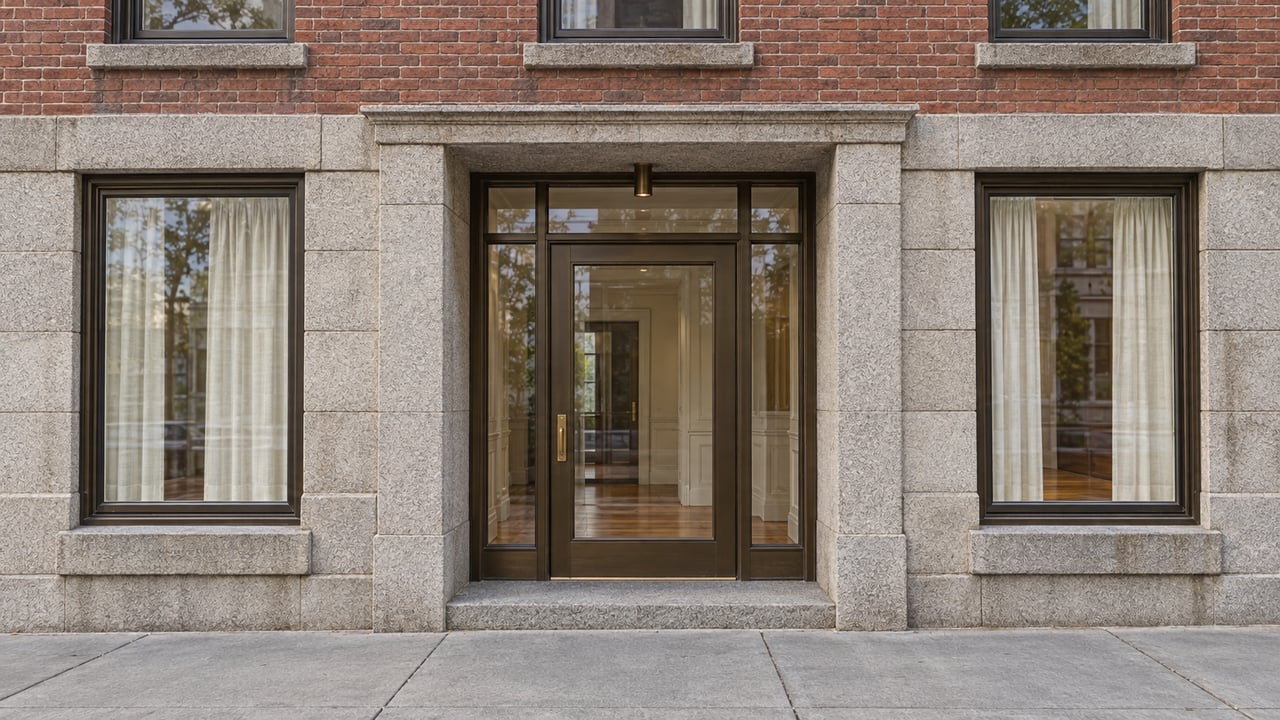
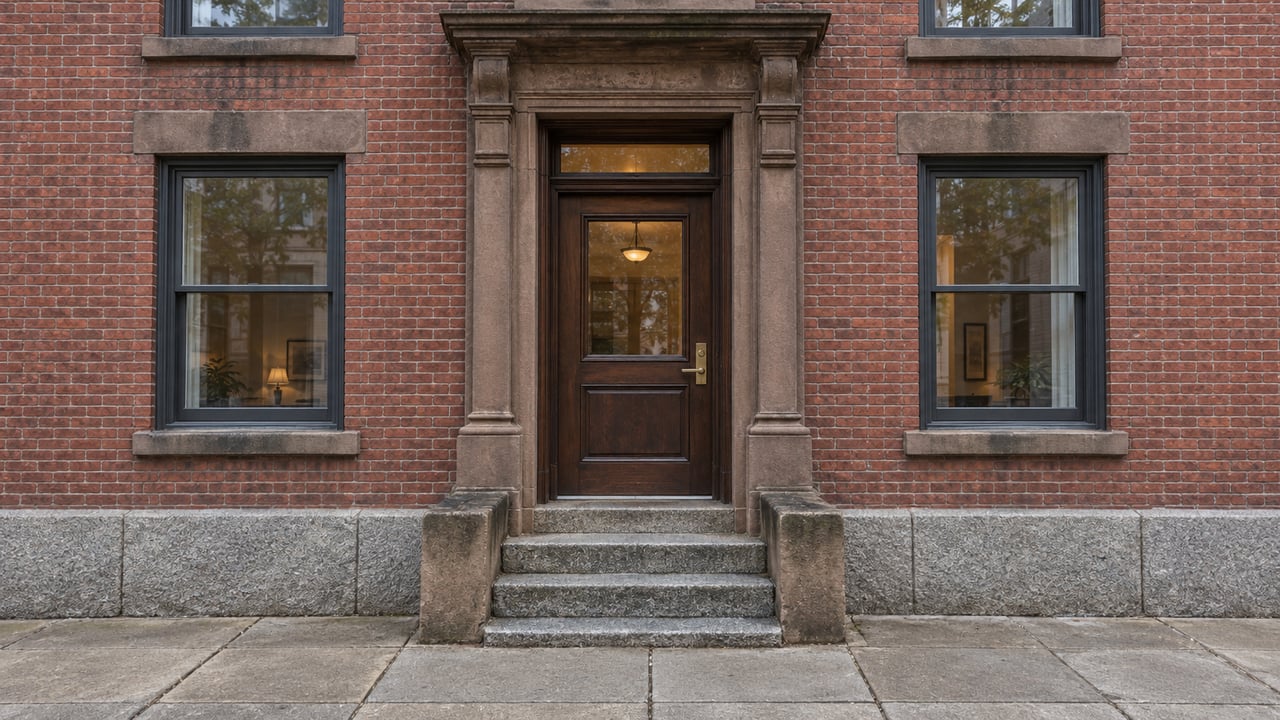
The South End has a more intimate, block-by-block residential feel. The City of Boston describes it as a central neighborhood with historic residential blocks, parks, and major thoroughfares, and it is widely known for Victorian brownstones and hidden gardens.
Its built environment grew out of 1850s rowhouse development, with long, uniform rows shaped by historic restrictions on building size and materials. As a result, many streets feel cohesive and architectural, but still personal and lived-in.
If you are drawn to a neighborhood that feels layered and textured, the South End often stands out. The combination of brownstones, small green spaces, and active local corridors gives it a distinct rhythm that many buyers find appealing.
Back Bay Feel and Character
Back Bay offers a more formal and iconic version of classic Boston. The City of Boston describes it as a protected historic district, and its development as a planned residential area in the mid-19th century helped shape the orderly, polished streetscape buyers recognize today.
Its architecture reflects changing design tastes from the late 19th and early 20th centuries, while major streets and civic spaces give the neighborhood a highly composed look. Commonwealth Avenue and Copley Square are key anchors, and the brownstone-lined residential streets contribute to the area’s signature image.
For many buyers, Back Bay feels a bit more grand and structured than the South End. If you picture Boston through its most classic and postcard-ready streets, you are likely picturing Back Bay.
South End vs. Back Bay Streetscape
When you compare the two side by side, the difference is often emotional as much as practical. The South End tends to feel more neighborhood-oriented, while Back Bay feels more formal and civic.
Here is a simple way to think about it:
| Neighborhood | General Feel | Signature Setting |
|---|---|---|
| South End | Intimate, residential, arts-forward | Victorian brownstones, hidden gardens, park-rich blocks |
| Back Bay | Formal, iconic, polished | Brownstones, Commonwealth Avenue, Copley Square, classic civic streets |
Neither is better across the board. The right fit depends on whether you want a quieter, more textured residential feel or a more structured and iconic Boston setting.
South End Amenities and Lifestyle
The South End is especially well known for restaurants, parks, and the arts. The City of Boston notes that the neighborhood has nearly 30 parks, a thriving arts community, and some of the city’s best restaurants.
Key corridors include Tremont Street’s Restaurant Row, Shawmut Avenue’s boutiques and restaurants, and the SoWa area on Harrison Avenue. SoWa is often highlighted for its artist studios, galleries, boutiques, design showrooms, and food scene.
For condo buyers, that can translate into a daily lifestyle that feels local and walkable, with dining, green space, and arts activity woven into the neighborhood experience. If you want your routine to include cafés, galleries, and nearby parks, the South End often checks those boxes.
Back Bay Amenities and Lifestyle
Back Bay’s lifestyle is centered more around shopping, civic landmarks, and polished urban convenience. Copley Square, Newbury Street, and the broader retail core shape much of the neighborhood’s daily draw.
Neighborhood descriptions emphasize Newbury Street’s boutiques, galleries, and cafés, along with Copley Square’s major landmarks and public events. Commercial activity also concentrates around Boylston Street and nearby retail destinations, which gives the area a distinctly high-access feel.
If you want easy proximity to retail, landmark architecture, and a very recognizable Boston streetscape, Back Bay may feel like the stronger match. It can be especially appealing if you value having shopping, dining, and civic spaces closely integrated into your immediate surroundings.
What Condo Buyers Should Compare
Because both neighborhoods are condo-heavy, your search should go beyond the neighborhood name. In practice, one building can feel very different from the next, even on the same block.
As you compare options, focus on these questions:
- What type of building are you buying into?
- How many units are in the association?
- What do the monthly condo fees cover?
- How much reserve funding does the association maintain?
- What condition are the common areas and exterior in?
- How do the building rules affect daily use and future projects?
These questions matter in both the South End and Back Bay, especially in historic housing stock where building age and maintenance planning can have a major impact on ownership experience.
Condo Ownership Structure Matters
Boston planning data show that both neighborhoods are dominated by condominiums. The South End planning profile reported 88.0% condominium units, while the Back Bay/Beacon Hill profile reported 92.7% condominium units.
The same planning data also suggest that ownership mix can vary by area and by building. That is an important reminder not to assume every condo experience will feel the same, even within a highly similar neighborhood category.
For you as a buyer, this means association review is essential. A well-run building with clear finances and a strong maintenance plan can shape your experience just as much as the neighborhood itself.
Condo Fees: Ask What They Include
One of the most important practical questions is not simply the fee amount. It is what the fee actually covers.
Research cited in the report notes that condo or HOA dues are generally separate from the mortgage and can range from a few hundred dollars a month to more than $1,000. Fees often support exterior and common-area maintenance, reserve contributions, and in some cases items like water, sewer, trash, amenities, or insurance.
In a historic Boston condo, this is especially important. Exterior upkeep, shared systems, and reserve planning can vary widely from one building to another, so a lower fee is not automatically the better value.
Historic District Considerations
Both neighborhoods have historic protection, and that adds character as well as practical considerations. Preservation rules can affect exterior work, maintenance timing, and project costs.
That does not mean historic ownership is a problem. It simply means you should look closely at how a building has handled repairs, reserves, and long-term upkeep.
When reviewing a condo in either neighborhood, pay close attention to the association’s financial statements, reserve planning, and recent or upcoming exterior work. In many cases, those details tell you more than the list price alone.
Which Neighborhood Fits Your Priorities?
If you are still deciding, it helps to match each neighborhood to the lifestyle you want most.
Choose South End if You Want
- A more residential, block-by-block neighborhood feel
- Victorian brownstones and hidden garden character
- Strong restaurant and arts presence
- Easy access to parks woven into daily life
- A setting that feels slightly more eclectic and textured
Choose Back Bay if You Want
- A more formal and iconic Boston setting
- Landmark streetscapes and classic brownstone rows
- Proximity to major shopping corridors and civic spaces
- A polished urban environment with strong retail access
- A neighborhood that feels highly composed and classic
In the end, both are premier central Boston condo markets. The better choice is usually the one that fits your preferred streetscape, building style, and pace of daily life.
A Smart Way to Make the Final Decision
If possible, compare the neighborhoods at the times you would actually use them. Walk the streets in the morning, in the evening, and on a weekend. Notice how the blocks feel, how active the commercial corridors are, and whether you are drawn more to the South End’s neighborhood texture or Back Bay’s formal Boston backdrop.
Then narrow your search to the buildings that best align with your priorities. In these two neighborhoods, the smartest condo decision usually comes from pairing the right location with the right association, fee structure, and building condition.
If you are weighing a South End versus Back Bay condo purchase and want senior-level guidance on the building, the block, and the broader market, The Whaley | Ring Team can help you evaluate your options with local perspective and a discreet, highly tailored approach.
FAQs
What is the main difference between South End and Back Bay for condo buyers?
- The South End generally offers a more intimate, residential, arts-forward feel, while Back Bay is known for a more formal, iconic setting with strong shopping and civic landmarks.
Are South End and Back Bay both condo-heavy neighborhoods in Boston?
- Yes. City planning data in the research report show that both neighborhoods have housing stocks made up largely of condominium units.
What amenities define the South End for Boston condo buyers?
- The South End is known for nearly 30 parks, a strong restaurant scene, arts activity, SoWa, Tremont Street, and Shawmut Avenue.
What amenities define Back Bay for Boston condo buyers?
- Back Bay is known for Copley Square, Newbury Street, Commonwealth Avenue, major retail areas, and a polished mix of shopping, dining, and civic landmarks.
What should Boston condo buyers review before choosing a building?
- Focus on the association structure, monthly fees, reserve funding, building condition, common-area upkeep, and any recent or planned exterior work.
Do condo fees vary between South End and Back Bay buildings?
- Yes. The research report notes that condo dues can vary widely, so it is important to ask what each building’s fee covers rather than assume one neighborhood is uniformly less expensive.
Why do historic district rules matter when buying a condo in South End or Back Bay?
- Historic protections can affect exterior maintenance, project timing, and costs, which makes association planning and reserves especially important to review.